Da Nang is one of the most visited international destinations for Korean travelers — and for good reason. Direct flights connect Seoul Incheon, Busan, and Daegu to Da Nang in under five hours. The city offers pristine beaches, world-class luxury resorts, affordable street food, and a warm climate that runs virtually year-round. For many Korean families, couples, and golf groups, Da Nang has become the go-to alternative to Bali or Phuket.
This guide covers everything a Korean visitor needs to know before arriving: which areas to stay, which hotels are popular with Korean guests, where to eat (Vietnamese and Korean), practical tips on currency and transport, and the best day trips from the city — including Hoi An, Ba Na Hills, and the Marble Mountains.
다낭 여행 가이드: This guide is written in English and optimised for Korean travelers planning a Da Nang trip. For a Korean-language hotel overview, visit our Korean hotel recommendation page (다낭 호텔 추천).
Why Koreans Love Da Nang
Korean tourism to Da Nang has grown steadily over the past decade. The city now has more Korean-language signage, restaurants, and services than almost any other city in Southeast Asia outside of major capitals.
Short, Direct Flights
Seoul Incheon to Da Nang takes around 4.5–5 hours with direct flights operated by Korean Air, Asiana, Jeju Air, Jin Air, and Vietnam Airlines. Busan and Daegu also have seasonal direct routes. This flight time is comparable to a domestic long-haul in Korea, making Da Nang genuinely convenient.
Beach Access & Luxury at Reasonable Prices
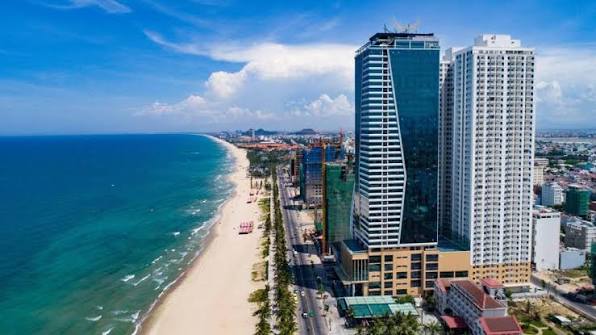
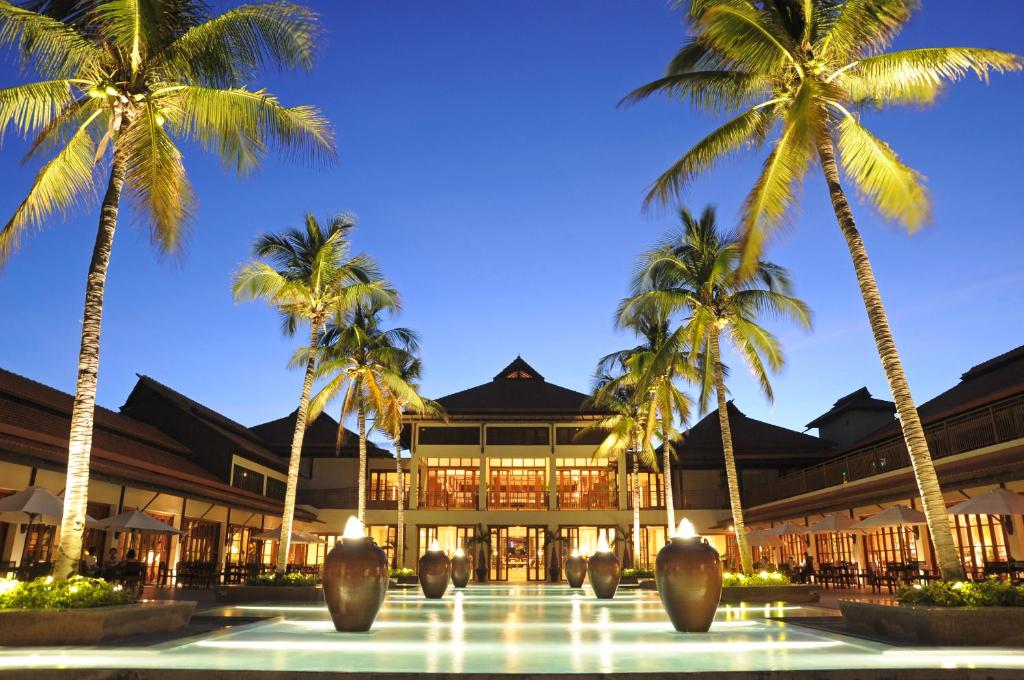
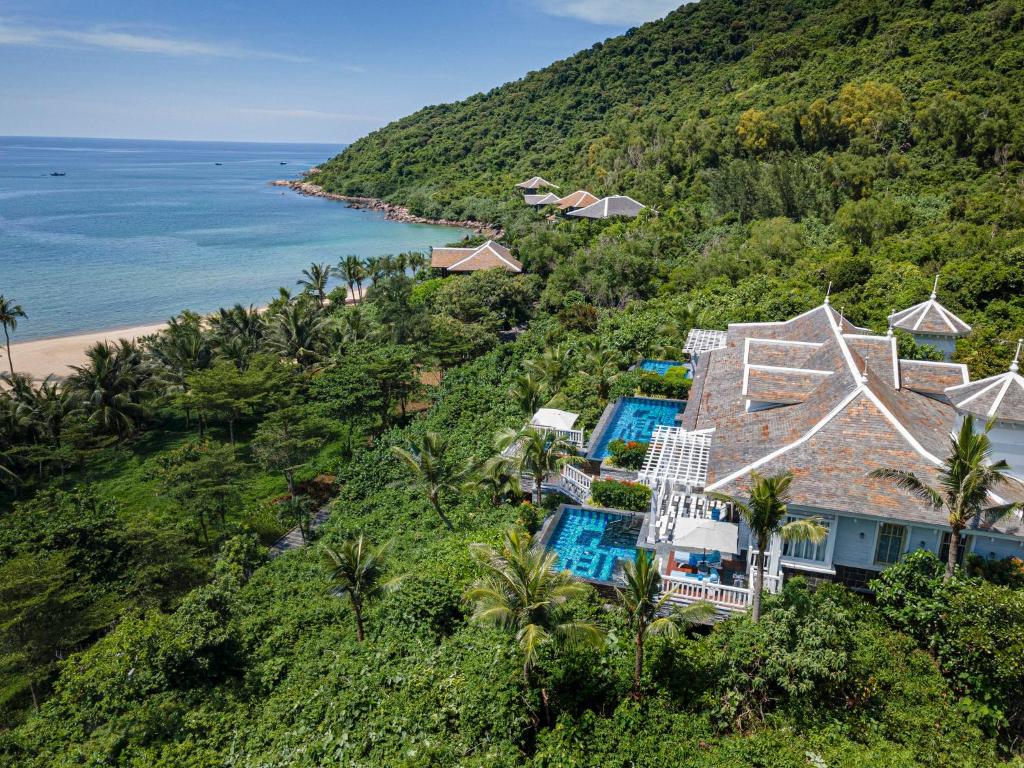
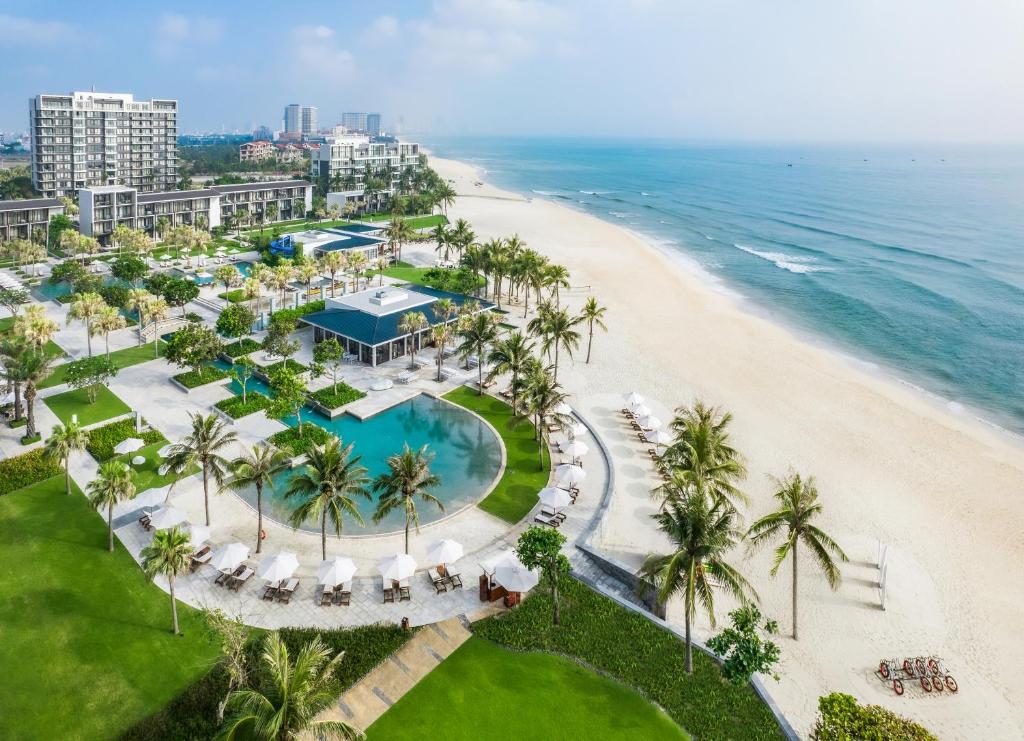
My Khe Beach stretches for nearly 30 km along the coast. Beachfront luxury resorts here — including properties like Hyatt Regency, Furama, and InterContinental — offer a standard that rivals anything in Jeju or Haeundae, at a fraction of the price. A stay at a 5-star beachfront resort routinely costs USD 150–300 per night, compared to double that in South Korea or Thailand's Phuket.
Korean Restaurants & Familiar Amenities
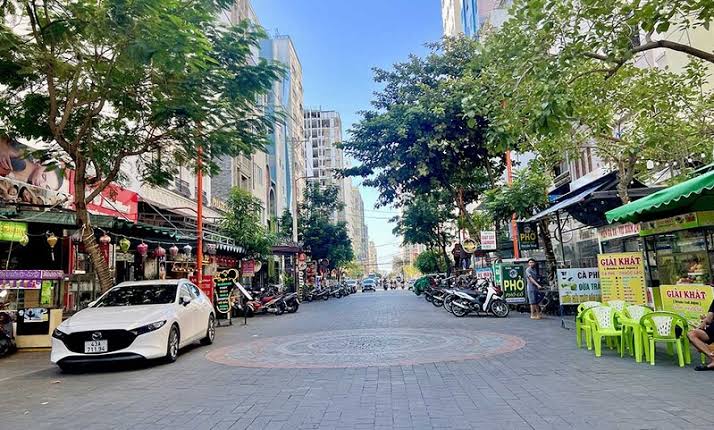
The An Thuong neighborhood, running parallel to My Khe Beach, has become a de facto Korean district. You will find Korean BBQ, Korean fried chicken, Korean-owned convenience stores, Korean-language menus, and staff who speak conversational Korean. It feels comfortable for first-time visitors who may not speak Vietnamese or English confidently.
Golf
Da Nang and the surrounding Central Vietnam region is home to several championship golf courses including BRG Da Nang Golf Resort (designed by Luke Donald), The Dunes and Mountain courses at Montgomerie Links, and Vinpearl Golf Da Nang. Golf tourism is one of the primary reasons Korean men's travel groups choose this city.
Best Areas for Korean Travelers
Where you stay in Da Nang shapes your entire experience. Here is a comparison of the main areas, with context on which works best for Korean visitors.
| Area | Best For | Hotel Style | Walkability | Distance to Beach |
|---|---|---|---|---|
| My Khe Beach | Beach holidays, families, couples | Luxury resorts, mid-range hotels | Good along beach road | Beachfront to 2 min walk |
| An Thuong | Korean food, nightlife, convenience | Mid-range boutiques, serviced apts | Excellent | 5–10 min walk |
| Son Tra Peninsula | Privacy, luxury seclusion, nature | Ultra-luxury (InterContinental) | Low (need car/Grab) | Private beach access |
| Han River Area | City explorers, sightseers | Business hotels, mid-range | Very good | 15–20 min drive |
| Hoi An | Culture, romance, photography | Boutique resorts, heritage villas | Excellent in Ancient Town | 5–15 min to An Bang Beach |
Most Korean visitors base themselves on or near My Khe Beach, specifically in the An Thuong corridor. This location combines direct beach access with a cluster of Korean restaurants, cafes, convenience stores, and tour operators — making it the easiest area to navigate with minimal Vietnamese or English.
Tip: If you are a first-time visitor who prefers maximum comfort and Korean-language services, book a hotel between Vo Nguyen Giap Street (the beach road) and An Thuong 4 Street. This zone is the closest thing Da Nang has to a purpose-built Korean tourist district.
Hotels Popular with Korean Travelers
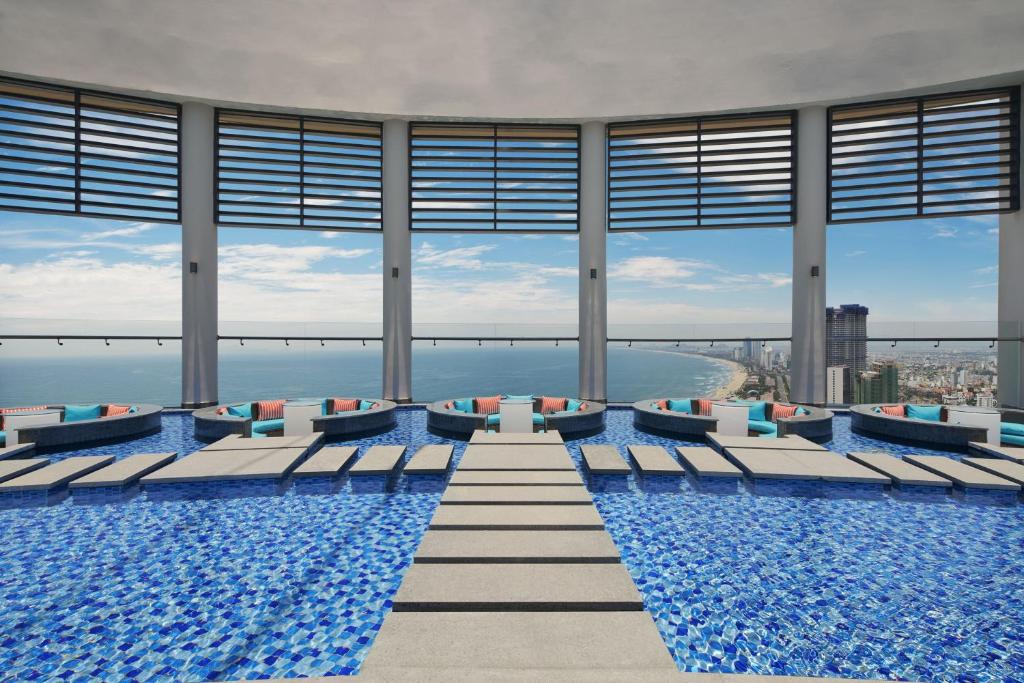
These five properties consistently appear in Korean travel forums and booking platforms as top choices. For a broader comparison, see our Best Hotels in Da Nang guide and Where to Stay in Da Nang guide.
For budget options, see our Da Nang budget hotels guide. For a full comparison of luxury properties, see our Da Nang luxury hotels guide.
Food Korean Visitors Should Try
Vietnamese cuisine and Korean palates align in several key ways: rice-based meals, fermented flavours, fresh herbs, and bold umami notes from fish sauce and shrimp paste. Most Korean visitors find Vietnamese food approachable from day one.
Vietnamese Dishes to Try
- Mì Quảng — Da Nang's signature dish. Turmeric-yellow rice noodles with pork, shrimp, peanuts, and sesame crackers. Rich and hearty.
- Bánh Mì — Vietnam's iconic baguette sandwich. Available everywhere and excellent as a quick breakfast.
- Bún Bò Huế — A spicy lemongrass beef noodle soup originating from nearby Hue. More intense than phở, with flavours Korean visitors tend to enjoy.
- Phở — The classic Vietnamese beef noodle soup. Lighter than bún bò, comforting, and widely available.
- Fresh Seafood — Da Nang is a coastal city with an excellent fishing industry. Grilled clams (ngao hấp), tiger prawns, and whole roasted fish at seafood restaurants along My Khe Beach are a highlight of any visit.
- Nem lụi — Da Nang-style lemongrass pork skewers, wrapped in rice paper at the table. Interactive and delicious.
Korean Restaurants in Da Nang
The An Thuong neighborhood is the city's Korean food hub. Dozens of Korean restaurants, BBQ houses, fried chicken chains, and convenience stores are clustered within a few walkable blocks. Look along An Thuong 4, An Thuong 8, and the surrounding lanes. Korean-language menus are the norm here. Popular formats include:
- Korean BBQ (samgyeopsal, galbi, bulgogi)
- Korean fried chicken with beer (chimaek culture is alive in Da Nang)
- Korean ramen and jjigae restaurants
- Korean-owned cafes serving Dalgona coffee, bingsu, and Korean-style pastries
Seafood Restaurants
The stretch of My Khe Beach south of the main resort zone is lined with open-air seafood restaurants. These are ideal for groups — you select fresh ingredients from tanks or ice displays, and they are cooked to order. Prices are very affordable compared to Korea.
Cafe culture: Da Nang has a thriving independent cafe scene. The An Thuong area and the Han River neighbourhood both have clusters of photogenic rooftop cafes and specialty coffee shops. Many are co-owned or frequented by Korean expats and are highly Instagram-friendly.
Things Koreans Should Know Before Visiting
Currency
Vietnam uses the Vietnamese Dong (VND). The exchange rate in early 2026 runs approximately 1 KRW ≈ 18–20 VND, meaning 10,000 KRW ≈ 180,000–200,000 VND. You can exchange currency at Da Nang International Airport (rates are fair), at authorised exchange booths in the city, or withdraw from ATMs. Avoid street money changers. Most hotels and large restaurants accept Korean Visa and Mastercard cards; smaller street stalls are cash-only.
Getting Around with Grab
Grab (Southeast Asia's equivalent of Kakao T) is the standard way to get around Da Nang. The app works in English and Vietnamese, accepts card payment, and is affordable. A typical ride across the city costs USD 2–5. Grab is safer and more predictable than hailing random taxis. Download the app before you arrive.
Weather & Best Time to Visit
Da Nang has two main seasons. The dry season runs from March to September, with hot sunny days and calm seas — ideal for beach holidays. The wet season runs from October to January, with heavy rain and occasional typhoons. February and early March, around Tết (Vietnamese Lunar New Year), are the most popular times for Korean visitors as they coincide with Korean school holidays. Book well in advance for this period. For a full breakdown, see our best time to visit Da Nang guide.
Beach Safety Flags
My Khe Beach uses a flag system. Green flag means safe swimming. Yellow flag means swim with caution. Red flag means do not enter the water. Rip currents can be strong, particularly after heavy rain or during the transition seasons. Always observe the flags and do not swim after dark.
Night Markets & Shopping
The Son Tra Night Market and Han Market are the main shopping destinations for souvenirs, street food, and local goods. Bargaining is expected at market stalls. For fixed-price retail, the Vincom Plaza and Lotte Mart shopping centres offer familiar retail brands.
Cultural Etiquette
- Dress modestly when visiting pagodas, temples, or the Marble Mountains (shoulders and knees covered).
- A small bow or slight nod is an appreciated greeting, similar to Korean culture.
- Tipping is not mandatory in Vietnam, but appreciated at restaurants and for tour guides.
- Keep your voice moderate in local residential areas and at temples.
Shopping & Nightlife
Son Tra Night Market
Located in the Son Tra district near the peninsula's base, this popular market runs from early evening and offers everything from grilled street food to clothing, accessories, and handicrafts. It is well-suited to Korean visitors who enjoy browsing and snacking simultaneously.
Han Market
One of Da Nang's oldest covered markets, Han Market is packed with local produce, fabric, clothing, and souvenirs. It is busier and more authentically local than the tourist night markets. Open from morning until late afternoon.
Shopping Malls
Vincom Plaza Da Nang and Lotte Mart offer modern retail environments with international brands, supermarkets, food courts, and cinemas. Lotte Mart in particular is familiar to Korean visitors, being the Vietnamese arm of the South Korean retail chain.
Han River Nightlife
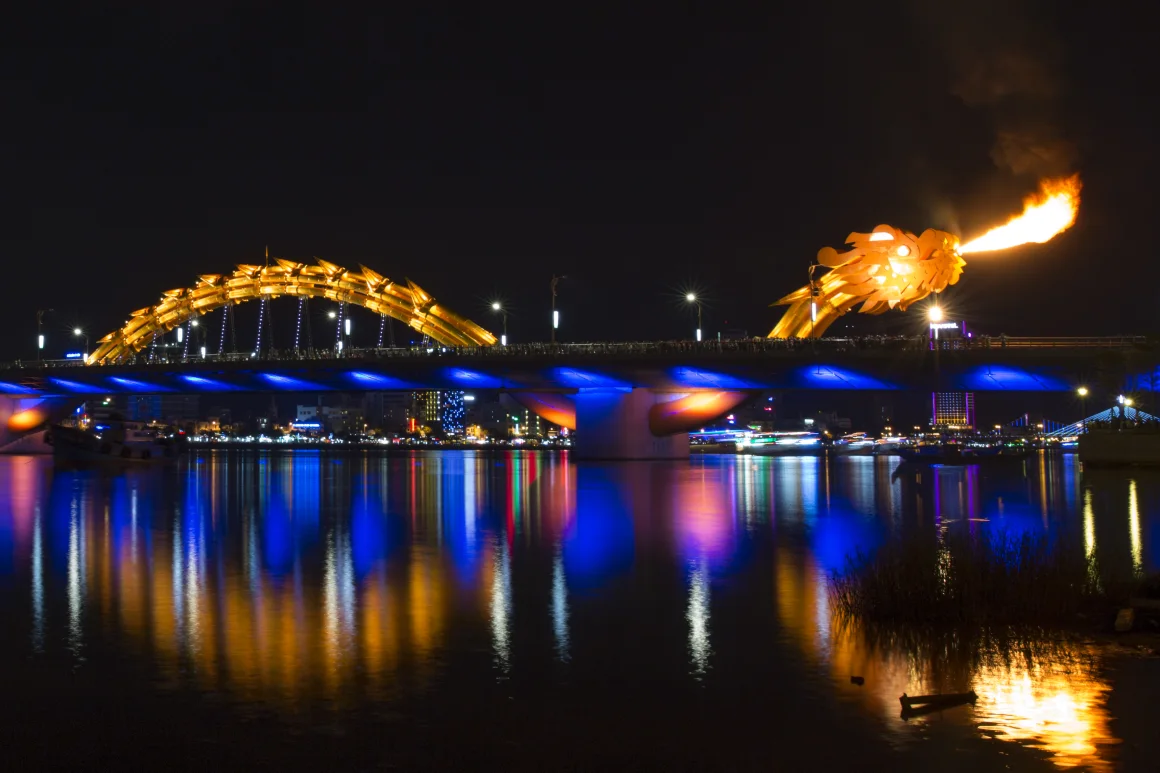
The Han River promenade comes alive at night, particularly around weekends when the Dragon Bridge fire-and-water show runs on Saturday and Sunday evenings. See our Dragon Bridge guide for viewing tips. The riverside stretch also has rooftop bars, live music venues, and night cruise options — see our Da Nang night cruise guide for details.
Day Trips Koreans Love
Hoi An Ancient Town
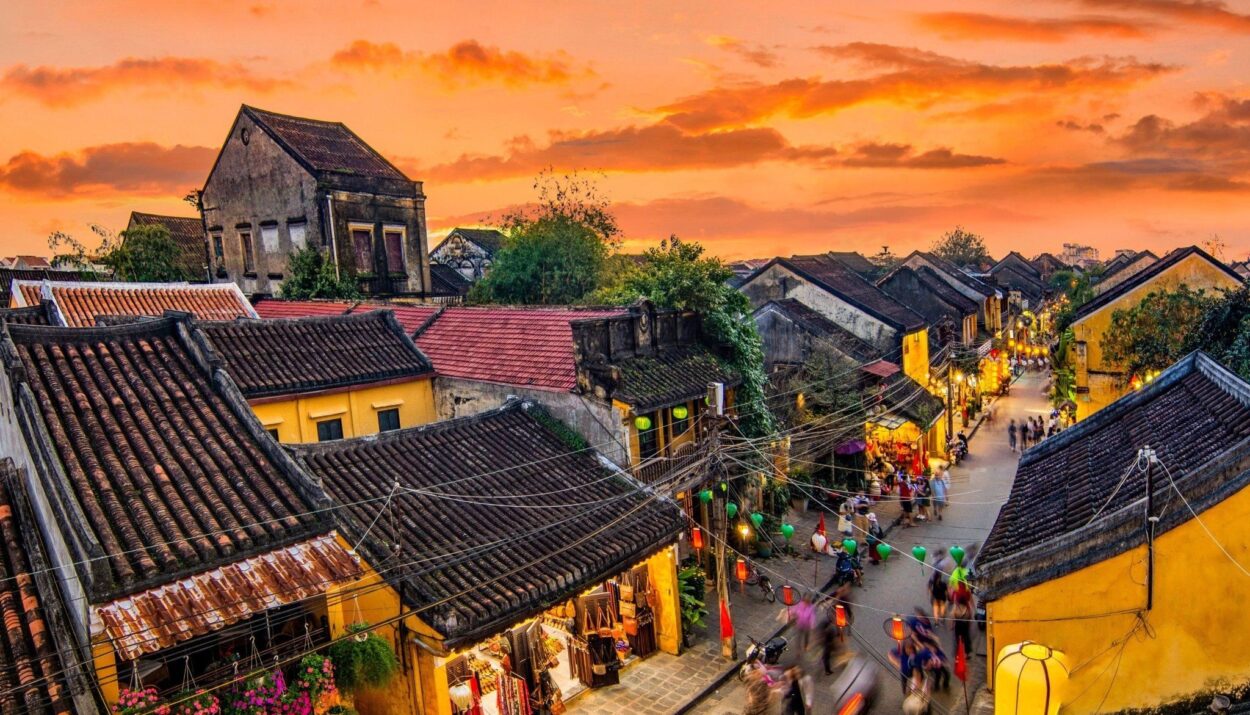
Hoi An is approximately 30 km south of Da Nang and should be considered essential for any visitor staying 4 nights or more. The UNESCO World Heritage Ancient Town is compact and walkable, lined with lantern-lit streets, tailor shops, fusion restaurants, and photogenic riverside settings. Book a Grab or private car (USD 20–30 round trip) or join one of the many organised day tours that depart daily from Da Nang hotels. For a full guide, see our Da Nang 7-day itinerary.
Ba Na Hills & the Golden Bridge
Ba Na Hills is one of the most popular day trips for Korean visitors — largely because of the Golden Bridge (Cầu Vàng), a pedestrian walkway held aloft by giant stone hands at 1,400 m elevation. The complex also includes a French village, amusement parks, and mountain views above the clouds. A cable car ascent is included in the entry fee. Located approximately 25 km from Da Nang city centre.
Marble Mountains (Ngũ Hành Sơn)
Located 8 km south of Da Nang city centre, the Marble Mountains are a cluster of five limestone and marble hills containing Buddhist shrines, caves, and panoramic viewing platforms. The climb takes around 45–90 minutes depending on your pace. The entrance fee is very low (approximately USD 1.50). Combined well with a stop in Non Nuoc village for marble sculpture shopping.
Son Tra Peninsula
For nature-oriented Korean visitors, the Son Tra Peninsula offers forested mountain roads, viewpoints over the Da Nang coastline, red-shanked douc langur sightings, and the Linh Ung Pagoda (home to a 67-metre Lady Buddha statue). Hire a motorbike, join a jeep tour, or take a Grab to the summit viewpoints.