March-April
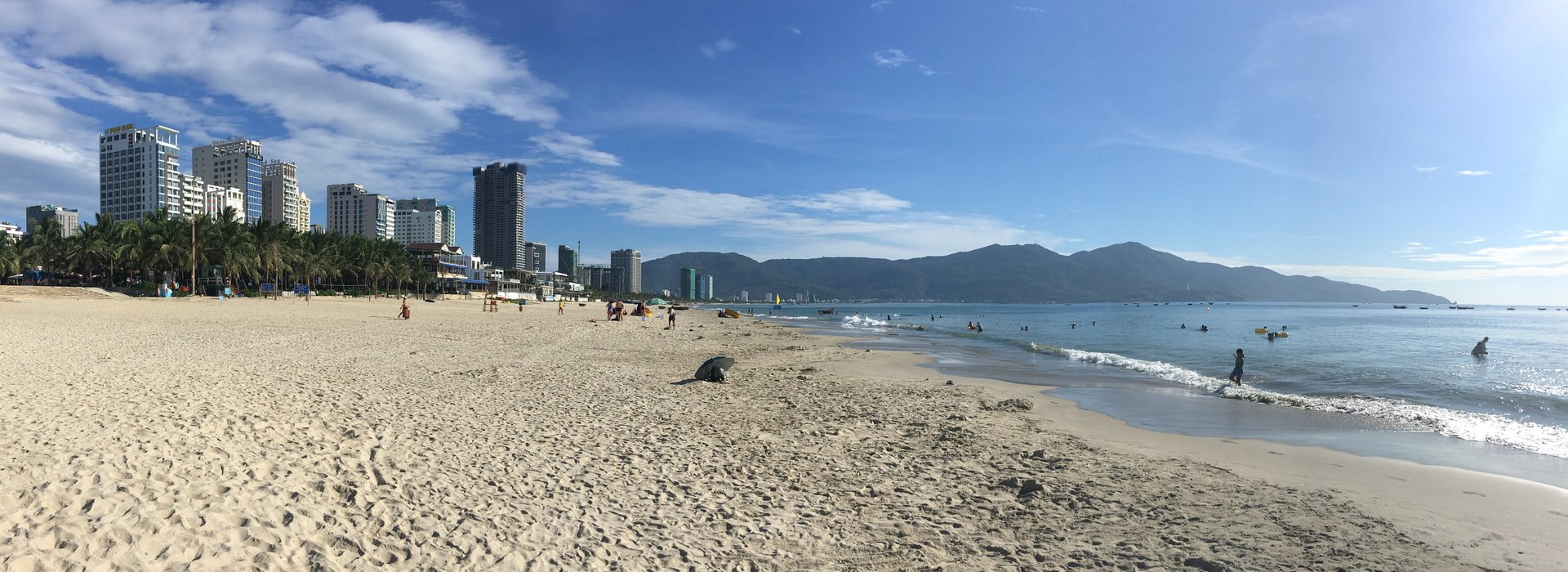
This is the easiest call for most travelers. It's not as hot as peak summer (temperatures hold around 27-30C) and the rain risk stays low. The beach genuinely delivers: calm seas, clean sand, comfortable for hours at a time. Sightseeing works better too. Son Tra, the Marble Mountains, and the Hoi An day trip are all more pleasant when you're not melting.
Crowds build through April but don't hit the summer peak. Hotel rates are healthy but not inflated. If your dates are flexible, this is the window to aim for.
July-August
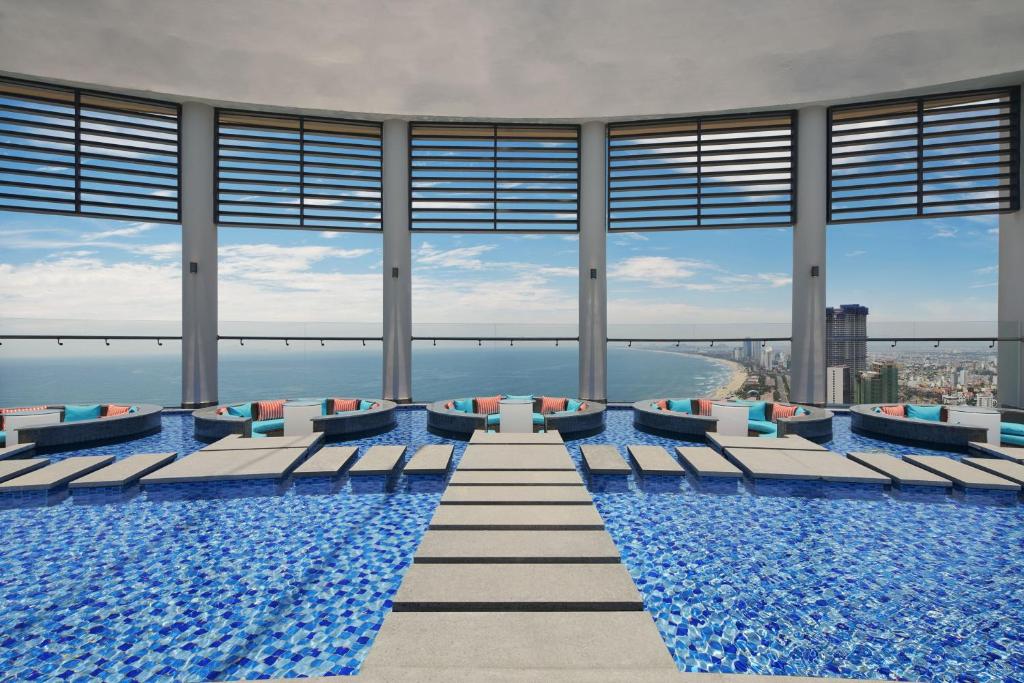
Kids are out of school and families travel. The beach is fully switched on: busy, buzzing, water warm enough to swim in all day. Da Nang's resorts and beachfront hotels are at their liveliest. This is when the city actually feels like a summer vacation destination, because that's exactly what it is.
The Fireworks Festival typically runs through June and into July, and the beachfront at night is as energetic as Da Nang gets. If you want a full-on beach holiday with atmosphere attached, this is the window that delivers it.
Year at a Glance
Temperature and Rainfall
Every Month Explained
Cooler and Quiet
Post-Tet calm settles in. Around 22-24C, comfortable for sightseeing but cool for the beach, and seas can run rough. Hotel rates are lower. A good month for Hoi An and exploring the city.

Warming Up
Weather starts improving, around 24-26C. Tet (late Jan/early Feb) brings closures and domestic travel crowds, so check the dates. Once Tet passes, it's quieter and pleasant.

Editor's Pick Begins
The sweet spot kicks in. 27-29C, low rain risk, the beach in good shape, seas calming down. Comfortable for sightseeing all day, crowds still moderate. The easiest month to visit, full stop.
Peak of the Easy Season
29-31C, still manageable, with low rain and an excellent beach. Reunification Day (April 30-May 1) brings a domestic crowd surge, so book early if your dates overlap.

Getting Hot
31-33C, still fairly dry. The beach is excellent, but midday heat starts to matter. This is the start of hot season, so plan your schedule around it. Good value before peak summer pricing kicks in.

Fireworks + Early Summer
32-35C. The Da Nang International Fireworks Festival typically runs through June. It's hot, but the beach is active and rates are often still reasonable before the summer crush. Good energy around the city.
Signature Pick - Peak Summer
34-36C. School holidays are in full swing, and yes, the beaches are packed, but that's the whole point. Resorts run at capacity. Plan sightseeing for early morning, save midday for the pool. Evenings are excellent.
Hot, Busy, Full Summer
34-36C, the hottest and busiest month of the year. School holidays peak, and resort pools and the beach become the center of daily life. Great for families, but book hotels and activities well ahead.

Transitional - Watch the Forecast
29-32C, with rainfall picking up. Still manageable, but the weather turns variable. National Day (September 2) brings a crowd bump. Keep an indoor backup plan since rain can derail outdoor days.
Rainy Season - High Risk
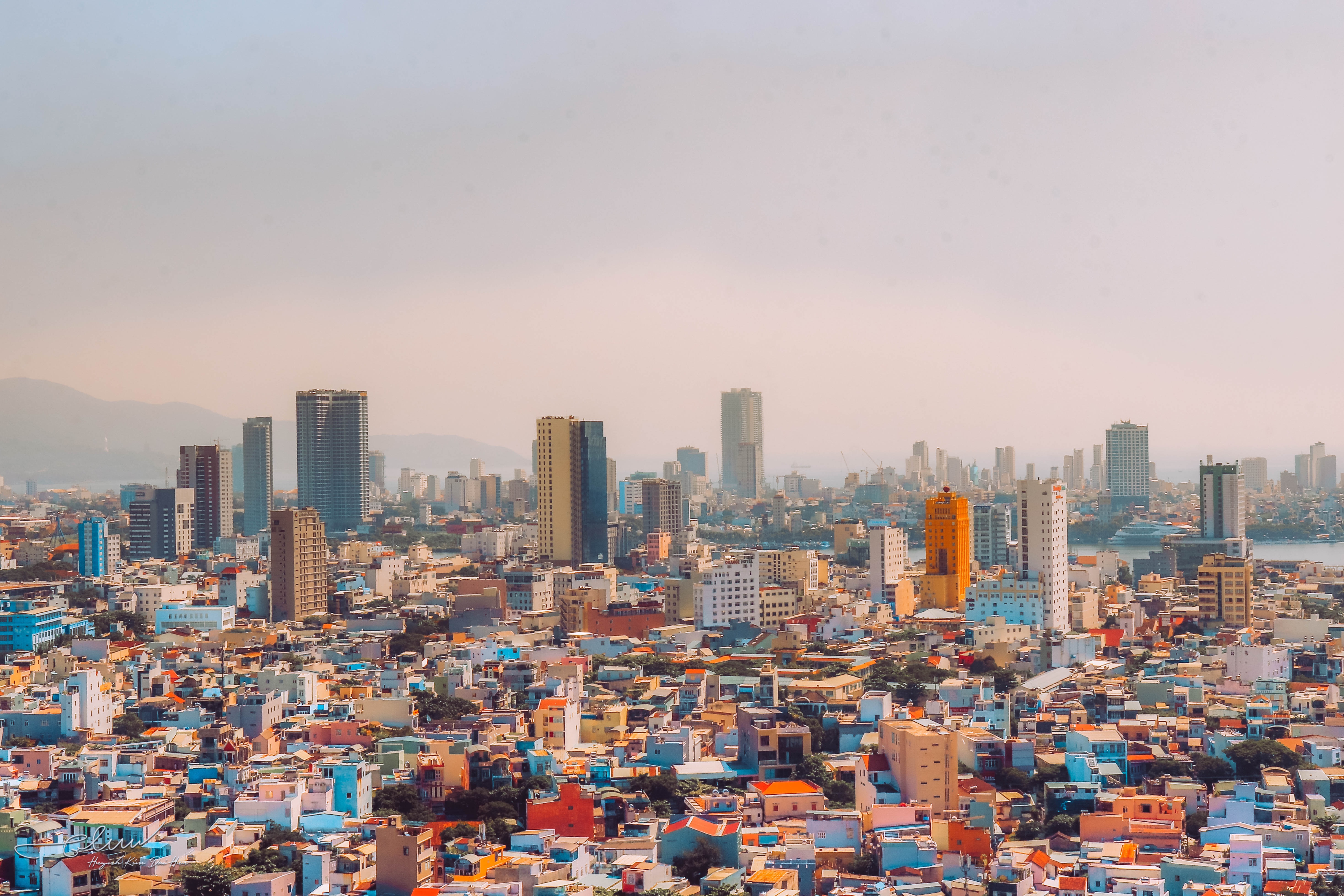
25-29C. Da Nang's wettest month, with heavy rain, possible typhoons, and flooding in low-lying areas. The beach is a no-go. A lot of visitors underestimate just how much it rains. Travel insurance and flexible plans aren't optional here.
Still Wet - Easing Late Month
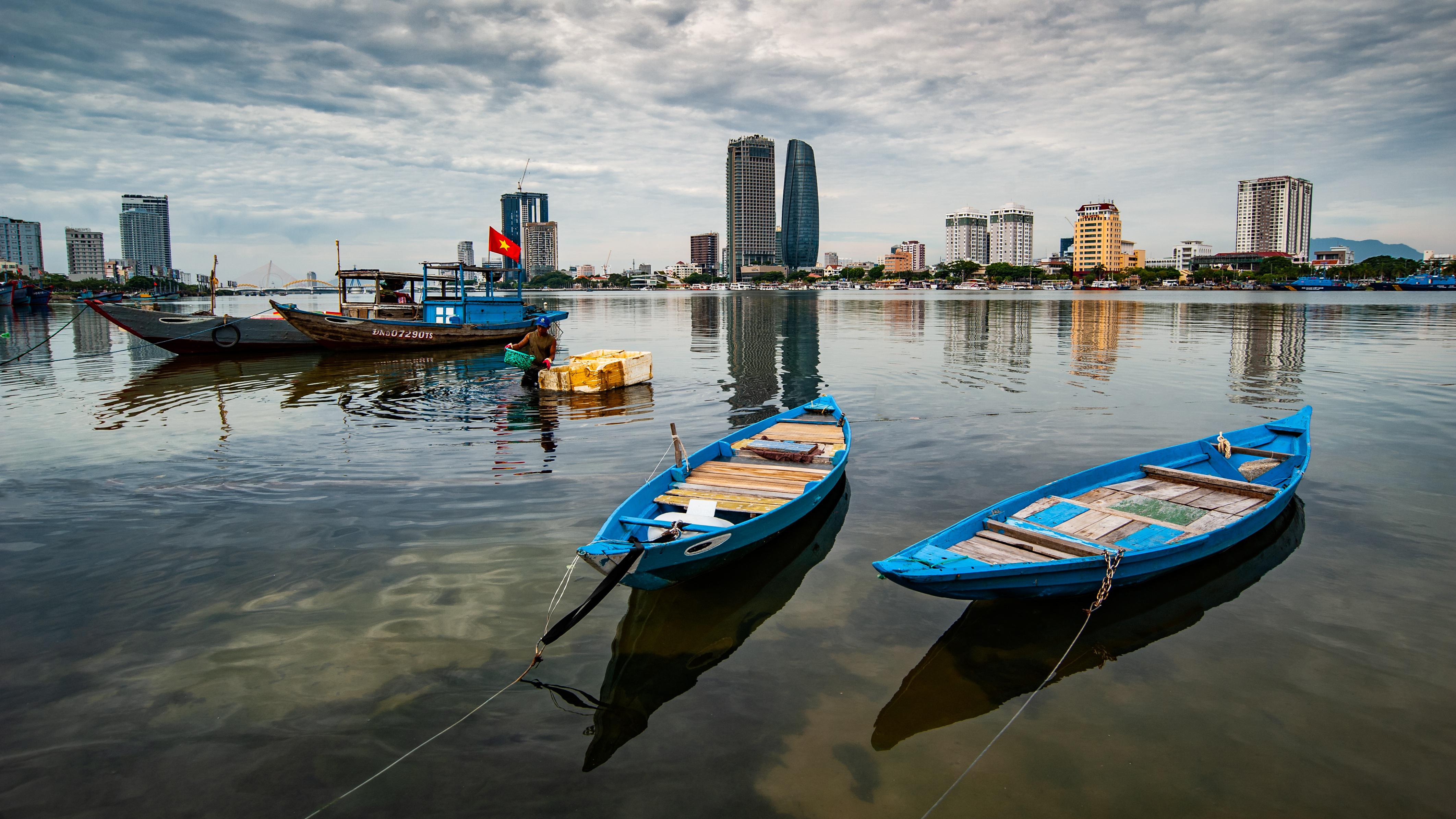
23-26C, the second wettest month, with typhoon risk still around. Late November usually improves. Hoi An floods periodically in this window, so check conditions before heading to the Ancient Town.

Recovering - Good for Sightseeing
21-24C, with rain mostly finished. Pleasant for sightseeing and Hoi An trips, but too cool and choppy for beach swimming. Hotel rates run lower than peak season, aside from a brief bump over Christmas and New Year.
What Month Fits You?

What Rainy Season Actually Means
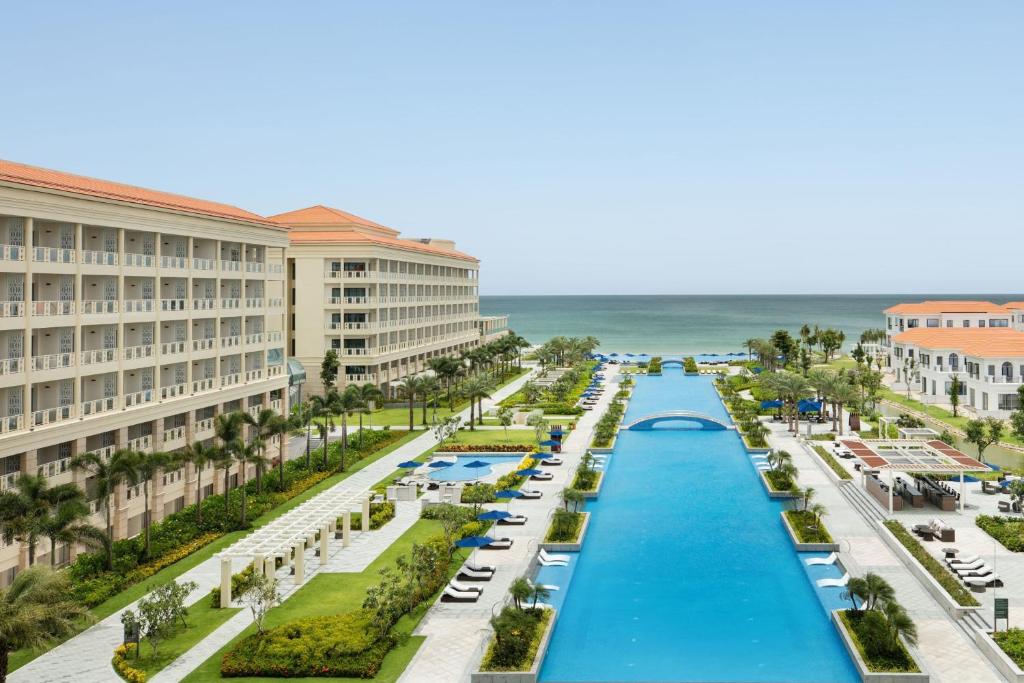
Da Nang's rainfall is unusually concentrated. October and November receive roughly 600-800mm combined - more than many cities get in a full year. This is not occasional showers. It can be sustained heavy rain for days at a stretch, with flooding in lower areas of the city and Hoi An.
Typhoons are possible (not common) during this window. When they hit, outdoor activities are completely off. Beach is closed. Transport to Hoi An and Ba Na Hills may be affected. If you visit October-November, build in flexibility and have indoor options ready. Travel insurance is not optional.
September is transitional and more manageable. December usually clears quickly. If October-November are your only option, go - just plan around it rather than against it.
Why Families Choose July-August
- School holidays align with peak season
- Beach and resort pools genuinely enjoyable
- Ba Na Hills and family attractions busy but open
- Full summer vacation atmosphere and energy
- Low rain risk - plans are predictable
- 34-38C with humidity. Midday is not comfortable outside
- Hotels and attractions at peak pricing
- Book everything well in advance
- Beach is crowded by mid-morning