First-Time Visitor Guide · 2026

Da Nang: What Nobody Tells You Before You Land

Updated March 2026· By Ryan Yousefi - American expat, Da Nang resident since 2022
Ryan Yousefi
Ryan Yousefi
American journalist · Da Nang resident since 2022 · Editor, Da Nang Hotel Guide
Last updated
March 2026

I moved to Da Nang from the United States in 2022. Before I got here, I did what everyone does - I Googled. What came back was a lot of "Da Nang is the Miami of Asia!" energy and stock-photo articles that made this place sound like a polished resort town dropped neatly into Southeast Asia.

None of it was wrong, exactly. But none of it quite told the truth either.

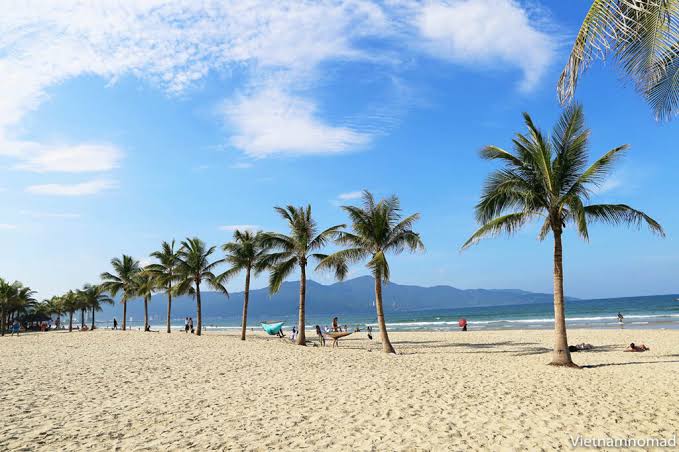
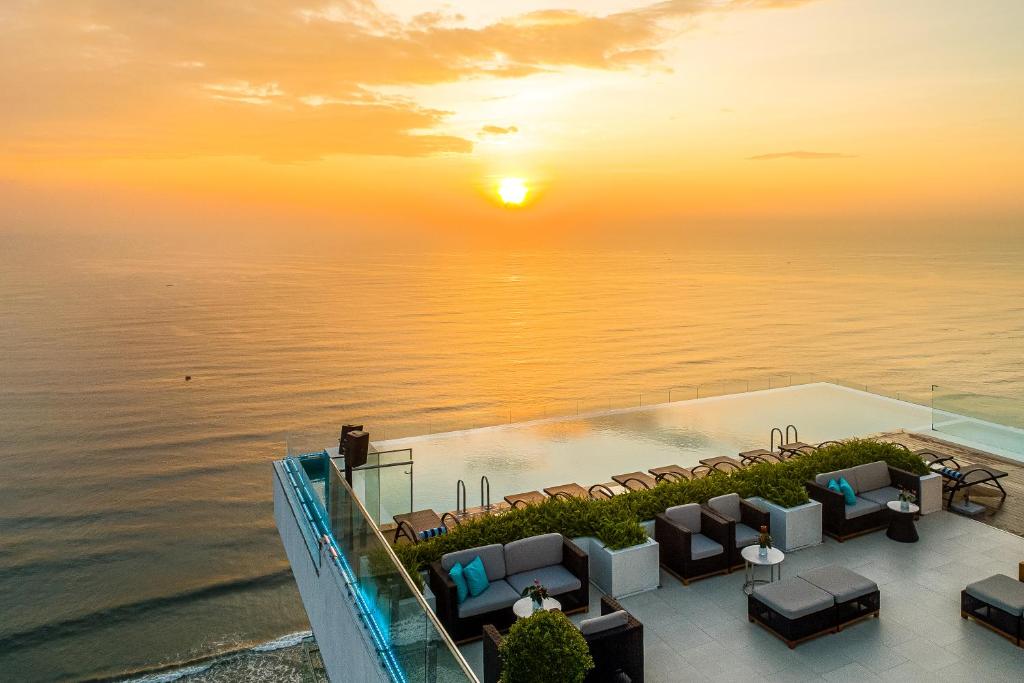
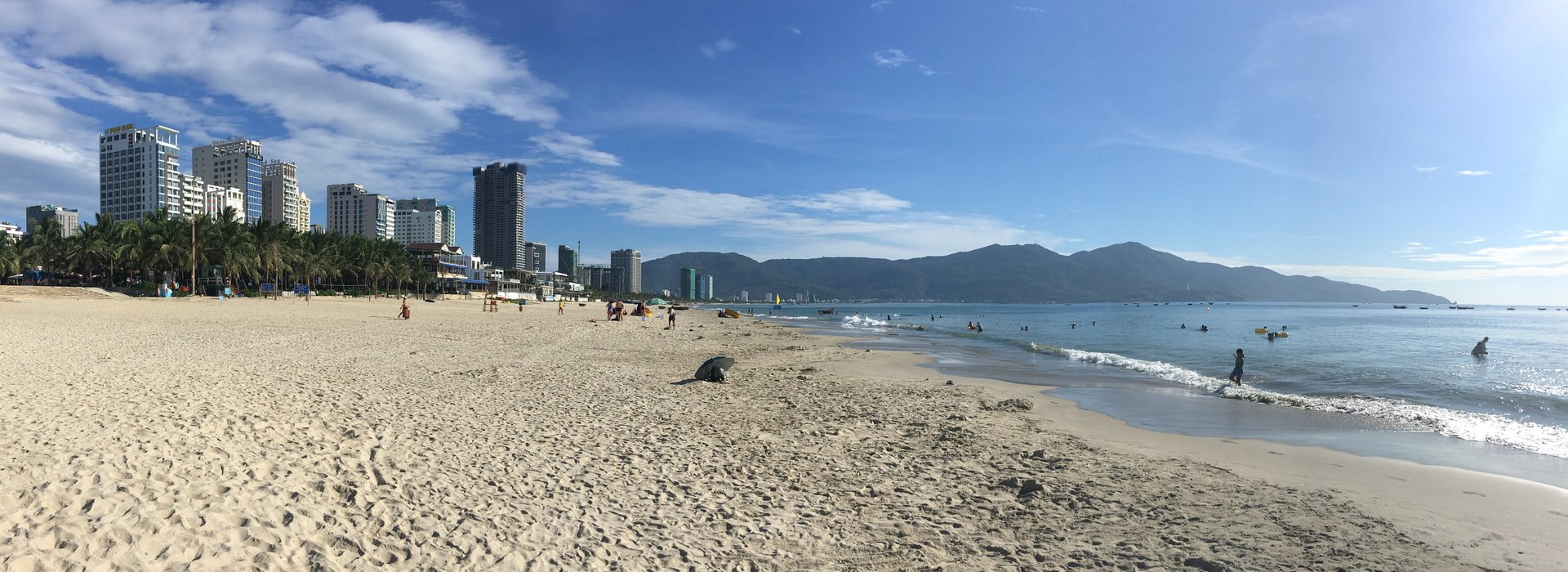
My Khe Beach at sunset, Da Nang skyline in background
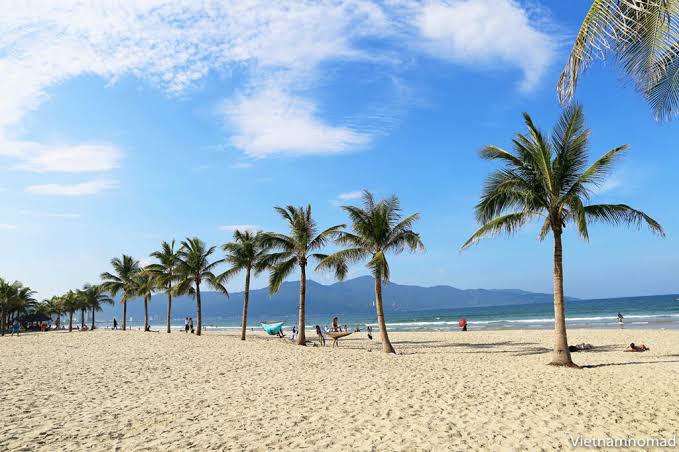
My Khe Beach at sunset - 20km of coastline that's the main reason people come, and a legitimate reason to stay longer than planned.

Here's what I know after living here: Da Nang used to be one of the world's best-kept secrets. A city that had the beach, the mountains, the food, the proximity to Hoi An - and somehow nobody had gotten there yet. That era is over. TikTok killed it. Da Nang is now one of the worst-kept secrets in Southeast Asia, and the fact that it's still genuinely wonderful despite the attention is actually the more impressive story.

So let me be upfront about what Da Nang actually is. People keep calling it the Miami of Asia. I grew up near Miami. That comparison has one thing going for it: the humidity and a single famous stretch of beach that gets all the attention while the rest of the city lives its real life. That's where the Miami comparison ends.

Da Nang is California. Laid-back. Outdoor-first. Surfers and cyclists and people who moved here for the lifestyle. Locals who've been here forever alongside new arrivals - a growing Korean community, a sizable Russian expat population, Australians, Brits, remote workers from everywhere - all somehow coexisting in a city that still, genuinely, belongs to the Vietnamese people who built it long before it was blowing up on anyone's feed.

If you want the New York pace - the 24-hour city, the noise, the never-sit-still energy - that city is Ho Chi Minh. Go there. Da Nang is not it. And that's not an insult. That's the point.

The honest version: Da Nang is a place where your attitude matters. This isn't Disney World. There's no scripted entertainment queue. What's here - Marble Mountain, Ba Na Hills, the sheer absurd beauty of the Lady Buddha statue at Son Tra - is the kind of stuff that only exists somewhere like this. You either find it incredible or you find it underwhelming. Usually that says more about you than about the place.

Visas

Vietnam's visa-free policy covers most Western nationalities for 45 days - UK, EU, Australia, New Zealand, Canada, USA, South Korea, Japan, and others. No prior application needed; you receive the stamp on arrival. If your nationality isn't on the list, or you need more than 45 days, the Vietnam e-visa (USD 25, valid 90 days, multiple entry) is applied for online before departure.

Check before you book: Visa policy updates regularly. The 45-day visa-free expansion happened in 2023 and further changes are possible. Always verify at the Vietnamese Ministry of Foreign Affairs site - not travel blogs, including this one.

Where to Stay: Neighborhood Guide

My Khe Beach
Best for most

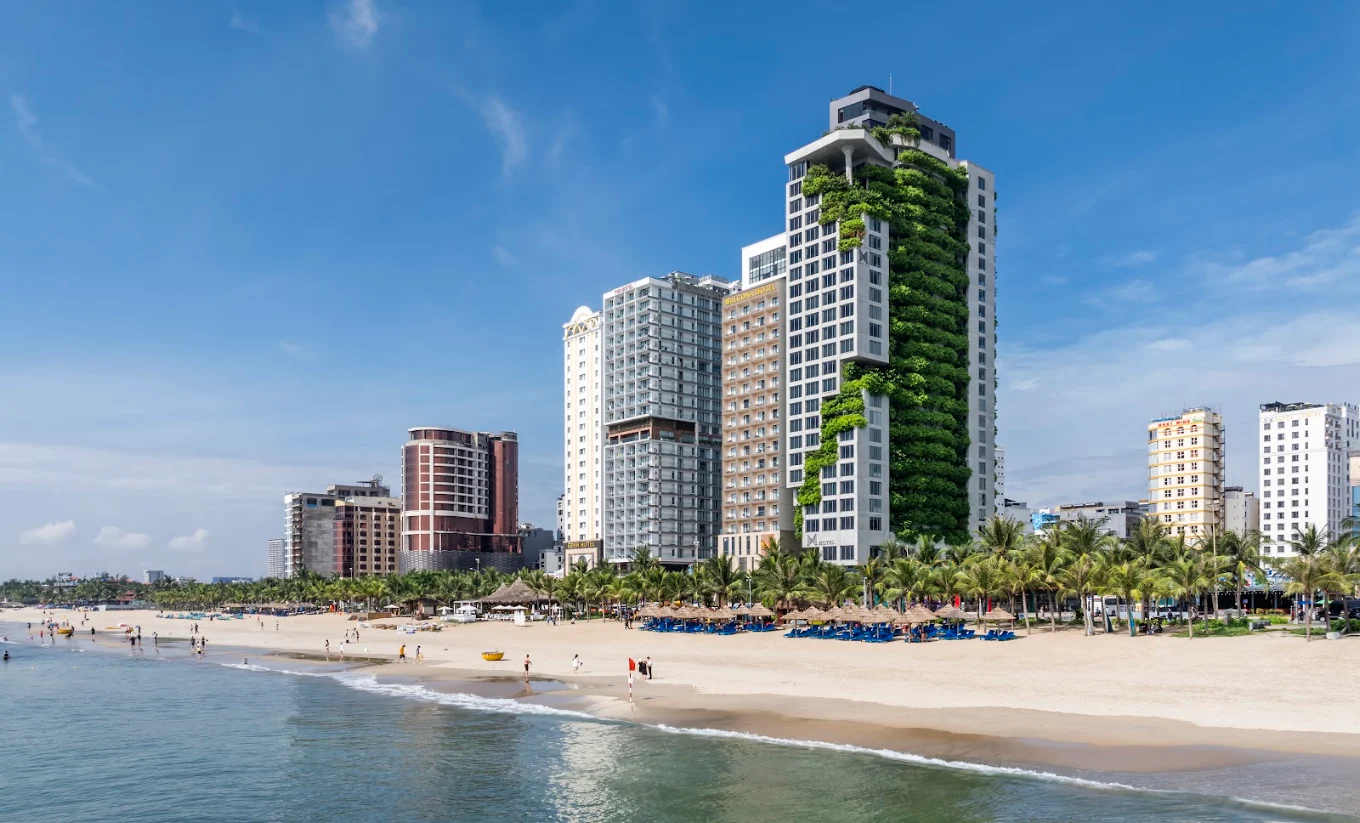
The main beach strip - 20km of coastline with the highest density of hotels, restaurants, and cafés. Most 3–5 star hotels with beach access are here. An Thuong street runs parallel one block inland and is Da Nang's best concentration of international cafés, restaurants, and bars.

→ Best for: First-timers, beach travellers, families, mid-range to luxury

Han River / City Centre
Urban base

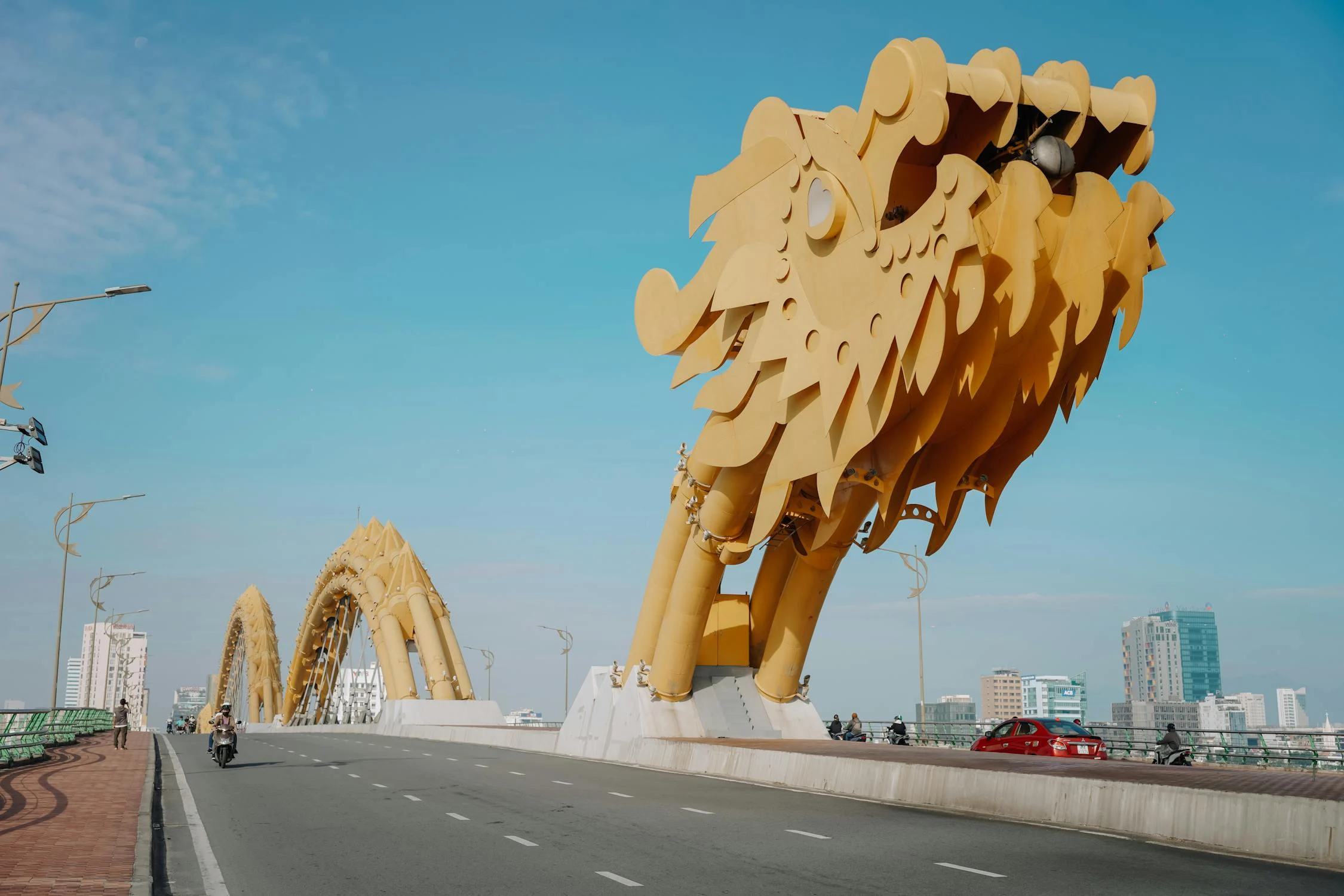
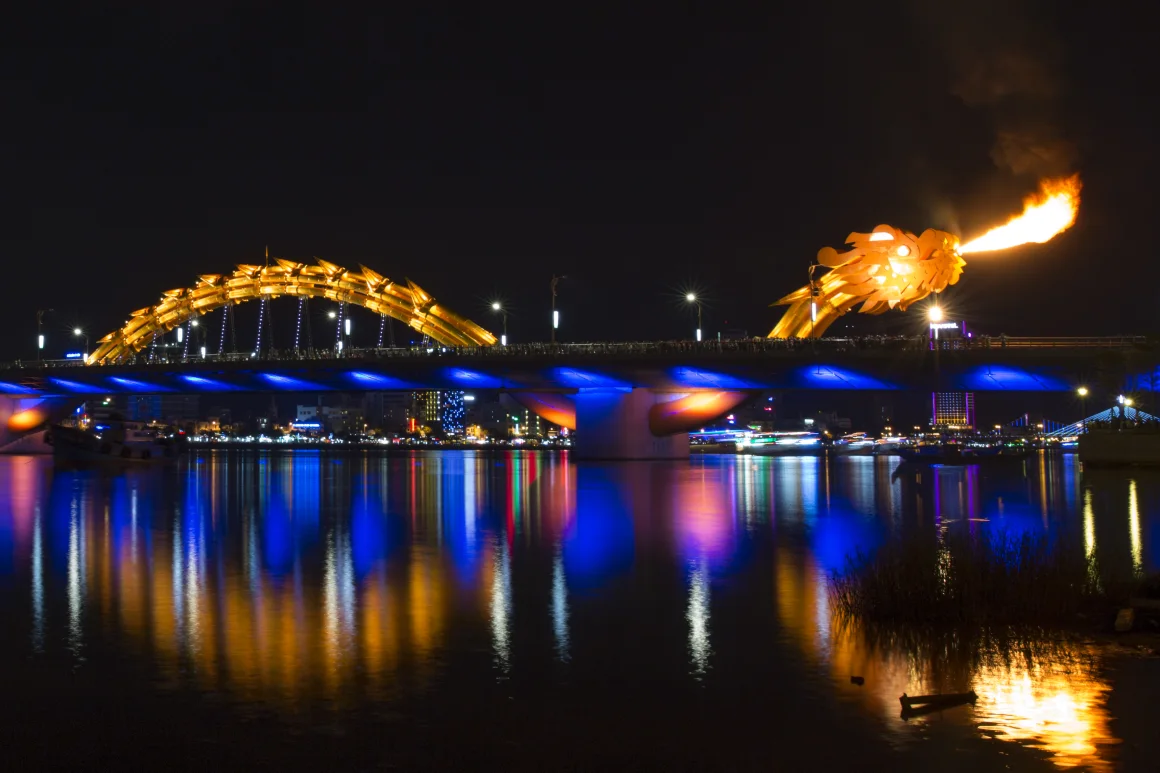
3km from the airport and the Dragon Bridge, the city centre has the best local food scene, the Cham Museum, and riverside restaurants. Hotels here are cheaper than beachfront and it's a 15-minute Grab to My Khe. Good for those who prefer urban atmosphere over direct beach access.

→ Best for: Digital nomads, culture-focused travellers, budget-conscious visitors

Son Tra Peninsula
Luxury & seclusion

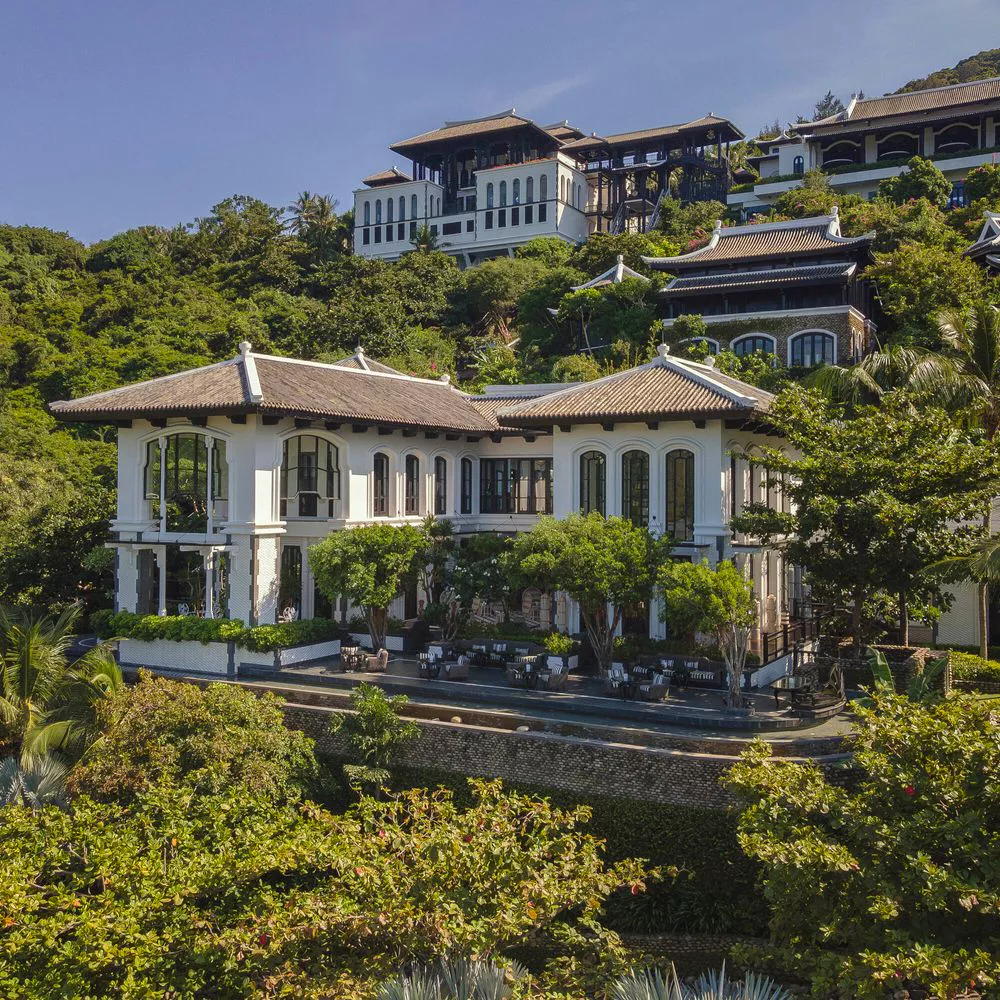
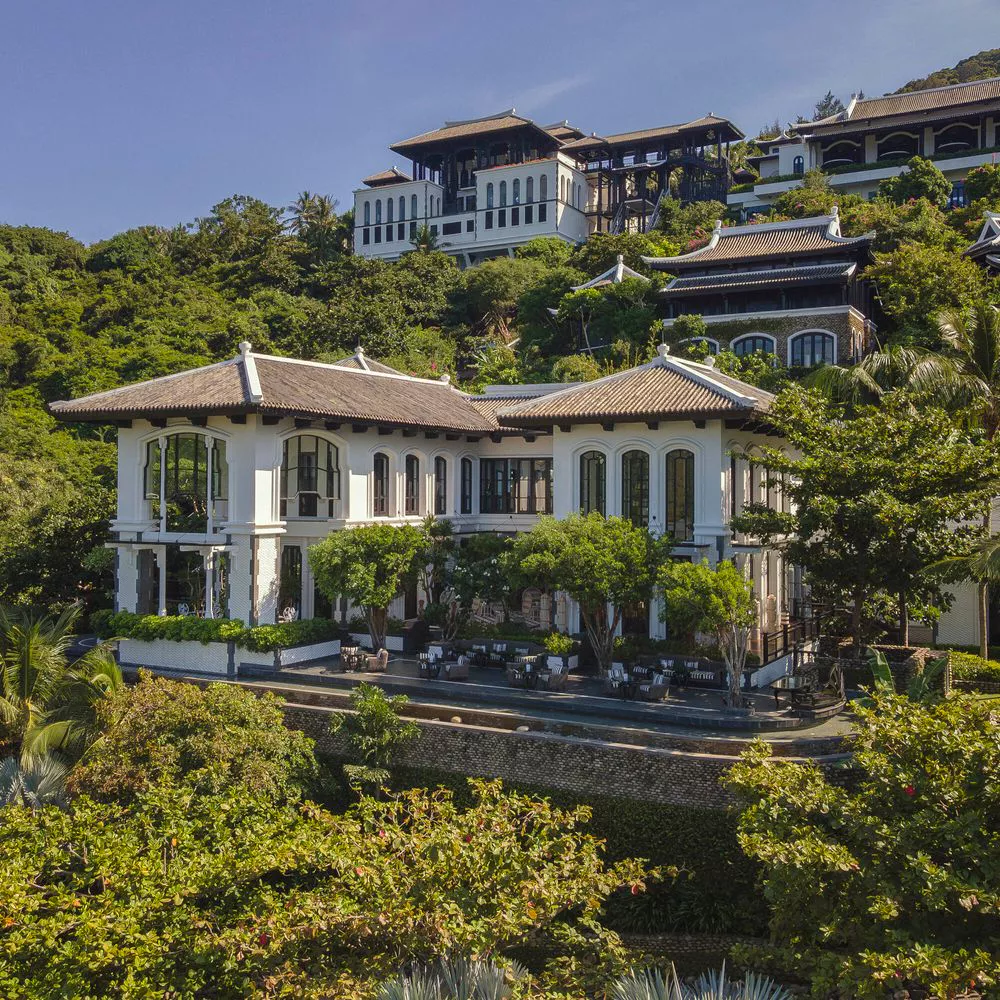
A forested peninsula 12km north of the city, home to the InterContinental Sun Peninsula and a handful of high-end villas. Quieter and more expensive. The Lady Buddha pagoda and excellent snorkelling are on-peninsula. Grab to the city takes 20 minutes.

→ Best for: Luxury travellers, couples, those prioritising privacy

Non Nuoc / South Beach
Quiet alternative

9km south of My Khe, adjacent to the Marble Mountains. Quieter beach, fewer tourists, slightly lower prices. Less convenient for city sightseeing - 25 minutes Grab to the Dragon Bridge - but ideal if Marble Mountains are your main agenda.

→ Best for: Return visitors, beach + Marble Mountains combo, families seeking quiet

What Da Nang Is (and Isn't)

I'll say it plainly: Da Nang is a place that is what you make of it. The raw ingredients are here. But nobody is handing them to you.

What you'll actually find
  • A genuinely beautiful, long, clean beach
  • Exceptional Vietnamese food at local prices
  • Easy Grab transport to everything
  • Day trips that defy explanation - Hoi An, Marble Mountains, Ba Na Hills
  • One of the safest cities in Southeast Asia
  • Strong café culture, especially on An Thuong
  • A real city with real locals - not a resort bubble
  • Hot, sunny weather February through August
What you won't find
  • A walkable city - you need Grab or a motorbike
  • A backpacker party scene - quieter than Hanoi or HCMC
  • Ancient-town atmosphere - that's Hoi An, 30km south
  • A village or retreat - this is a real city of 1.2 million
  • Perfect weather year-round - October/November rainy season is real
  • Scripted entertainment or a Disney-level itinerary
  • The frenetic pulse of New York or Saigon

The Attractions That Actually Deserve the Hype

Let me be real with you about the things that genuinely surprised me after I moved here. I expected the beach. I expected Hoi An. I did not expect to stand at the Marble Mountains and understand why people have been coming here for centuries. Five limestone peaks rising out of flat coastal land, riddled with caves that served as Buddhist temples and Viet Cong hideouts - all in the same system of tunnels. The sheer strangeness of it doesn't photograph well. You have to be there.

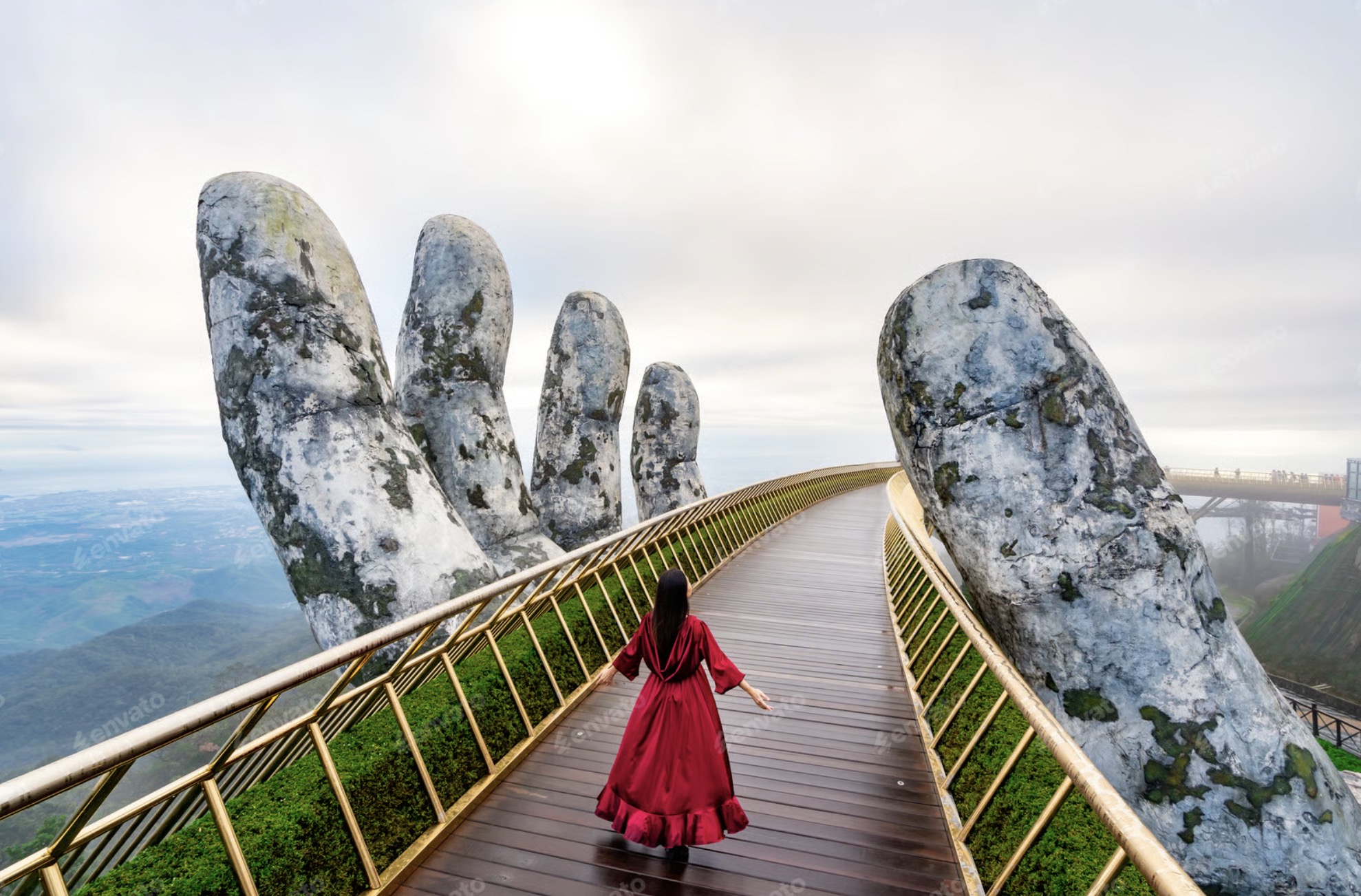
Ba Na Hills is a different kind of thing. It's a French colonial theme park built on a mountain top that you get to via the world's longest non-stop single cable car. The Golden Bridge - two giant stone hands holding a golden span above the clouds - has been shared so many times that it's become a cliché. Go anyway. The reality is weirder and more beautiful than any photo shows.

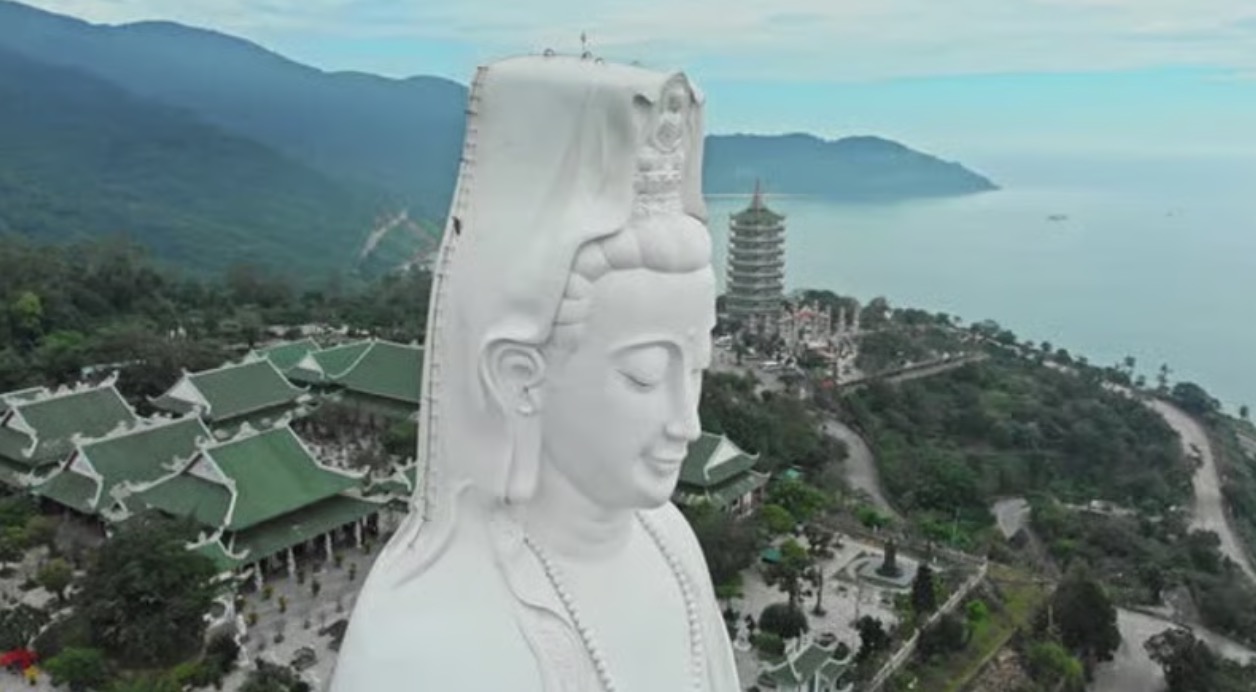
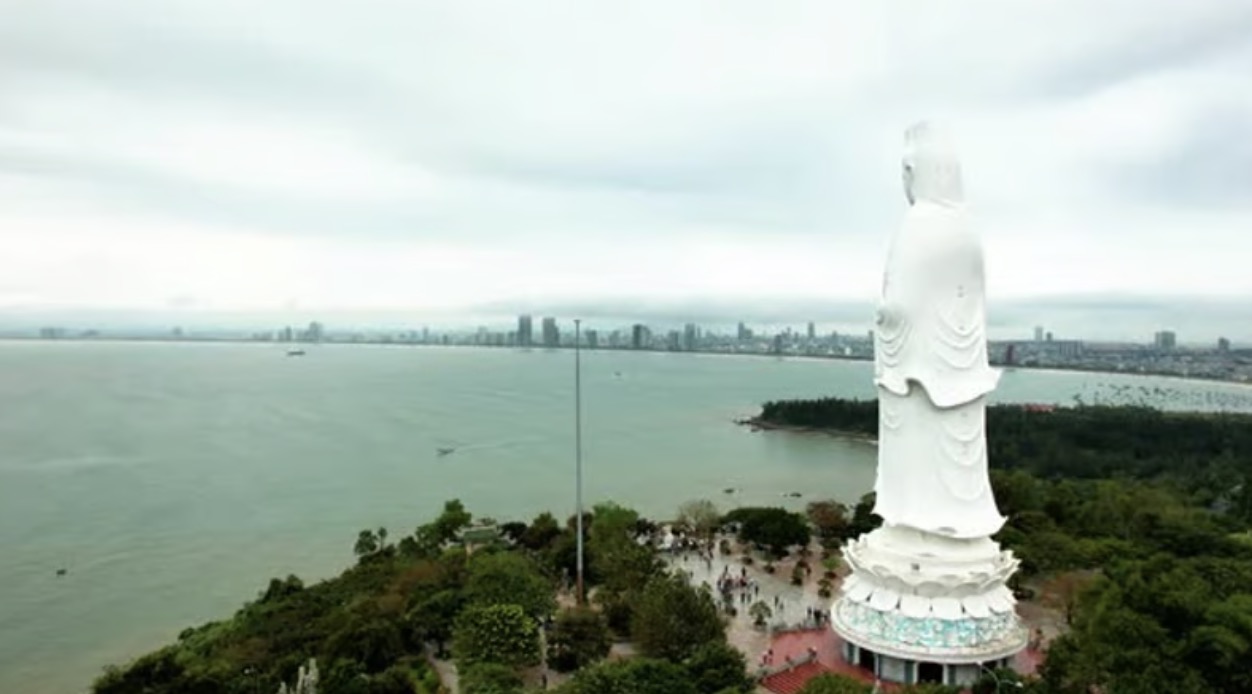
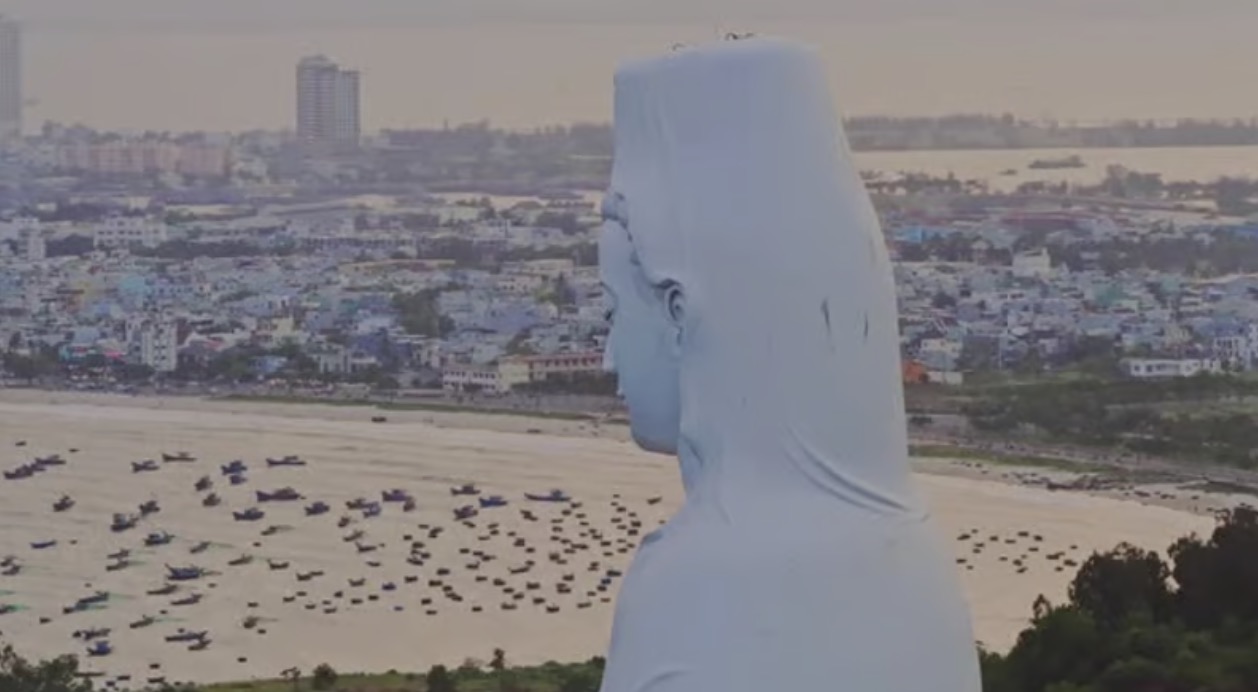
Aerial view of Lady Buddha statue and Son Tra Peninsula with Da Nang city behind
Son Tra Peninsula from above - Lady Buddha at 67 metres, the city across the bay, and jungle on all sides. Free to visit, zero entrance queue.

And then there's Lady Buddha at Son Tra. A 67-metre white statue standing on a forested peninsula over the South China Sea. No entrance fee. No crowd management system. Just a massive thing that exists because someone decided it should. If that doesn't make you stop for a second, I don't know what to tell you.

What to Eat: The Dishes That Make Da Nang Worth It

Da Nang has its own distinct regional cuisine. This is not pho. This is central Vietnamese food, and it is some of the best eating in the country.

Mì Quảng
Da Nang's signature noodle dish
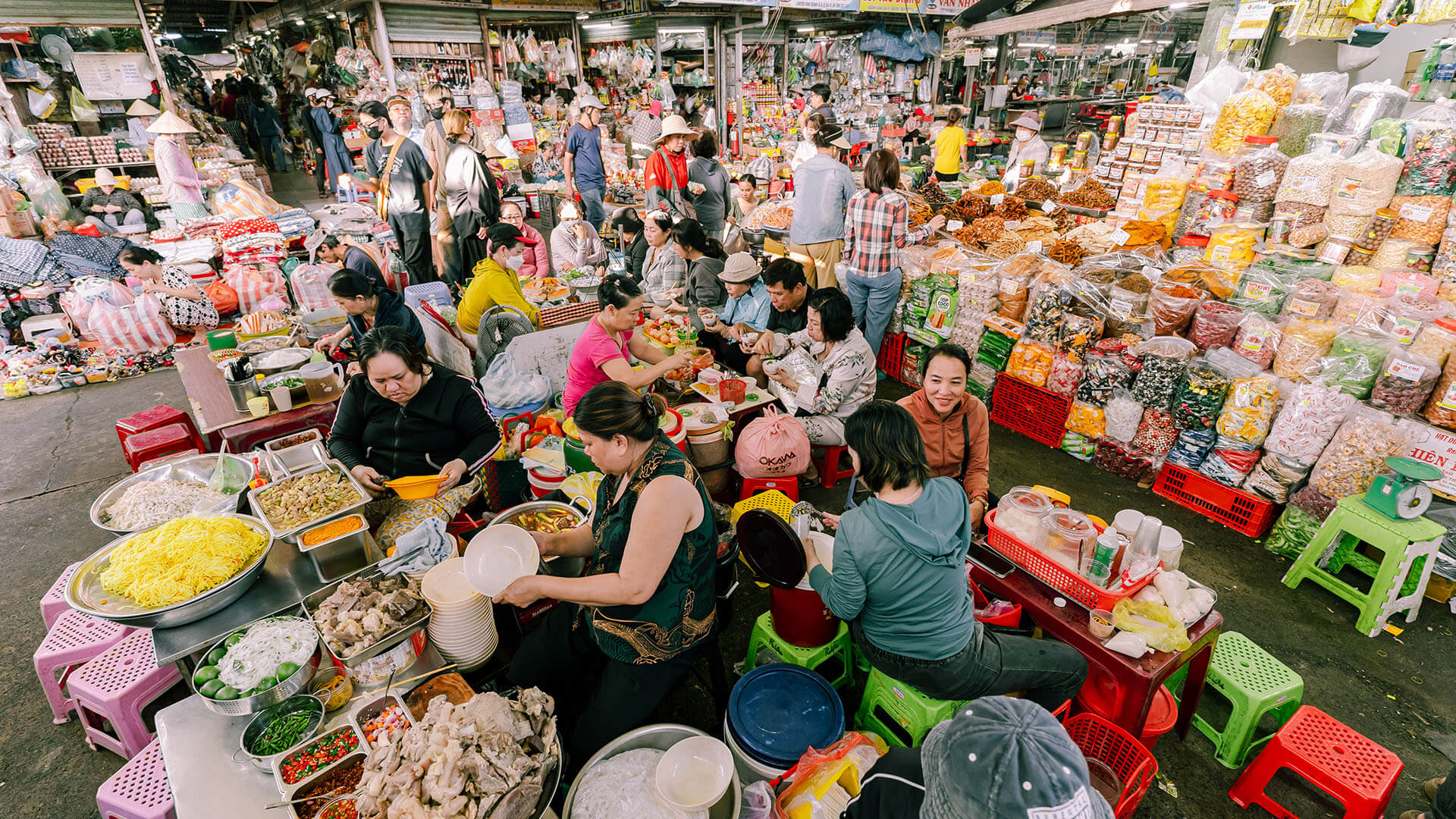
Wide yellow turmeric noodles with pork, shrimp, peanuts, fresh herbs, and just a splash of rich broth. It's more of a dressed noodle than a soup. This is the dish. Find it at any local shop with plastic stools - the less fancy, the better it usually tastes.
40,000–70,000 VND
Bún Chả Cá
Fish cake noodle soup
Da Nang's other essential - vermicelli in a clear, lightly spiced fish broth with grilled or fried fish cakes. Locals eat this for breakfast. Light, clean, completely unlike anything you'll find outside of central Vietnam. Seek it out.
45,000–80,000 VND
Bánh Xèo
Sizzling Vietnamese crêpe
A crispy turmeric crêpe filled with pork, shrimp, and bean sprouts, eaten by tearing off pieces, wrapping in lettuce and rice paper, and dipping in nước chấm. The central Vietnamese version is smaller and crispier than the southern style.
60,000–120,000 VND
Hải Sản Tươi
Fresh local seafood
Da Nang sits on the South China Sea with a working fishing fleet. The seafood is exceptional. Eat at a local seafood restaurant away from the tourist strip - the Bắc Mỹ An area has solid options - for a fraction of the tourist-facing price.
200,000–500,000 VND / meal

Google Translate tip: Vietnamese menus rarely have English at local restaurants. Point your Google Translate camera at the menu - it handles Vietnamese well. This single trick unlocks the entire local food scene.

The Mix That Makes This City

One thing that gets undersold: Da Nang isn't a homogenous place. There are the locals who've been here their whole lives - families who remember when this beach wasn't on anyone's radar. There are the Koreans, who have built a community so substantial there are Korean-language signs in certain parts of the city and Korean restaurants that aren't performing for tourists. There are the Russians, who found something here - safety, warmth, affordability - and kept coming back until some of them simply stayed.

And then there are the expats from everywhere else. Americans, Australians, Brits, French - people who came for a few weeks and started looking at long-stay visa options by week two. I'm one of them.

All of this coexists in a city that is genuinely Vietnamese, where the language on the street is Vietnamese, where the food culture is Vietnamese, where the rhythm of daily life is set by the locals who were here long before the TikTok era arrived. That texture is what makes it worth living in, not just visiting.

Getting Around

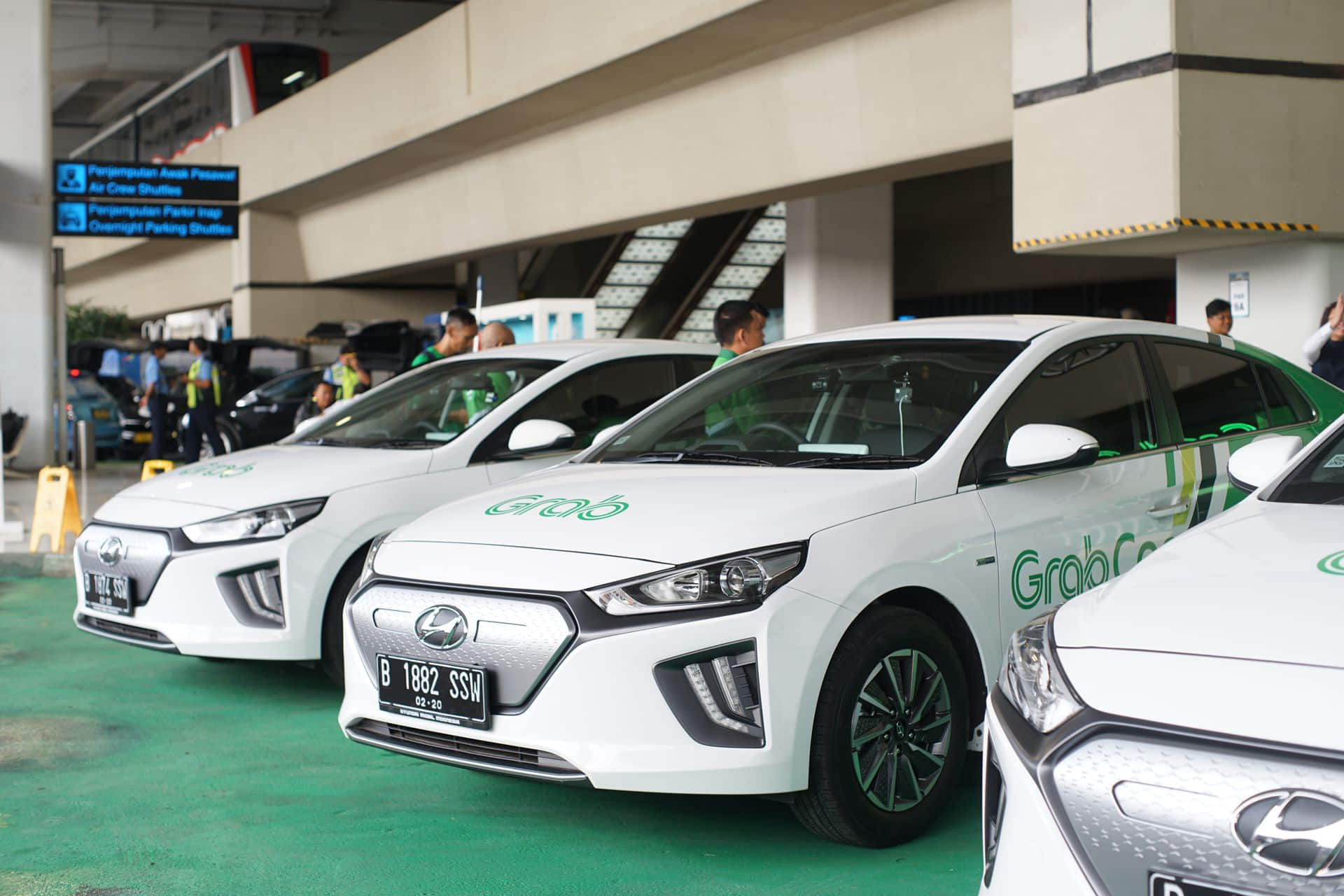
Grab is the answer for almost everything. Download it before you land, set up your payment, and you're covered. GrabBike (motorbike taxi) is faster and cheaper for solo travel; GrabCar is better for groups or luggage. Prices are fixed and fair - no negotiation, no surprises.

Rented motorbike (120,000–150,000 VND/day) is the best option for independent travellers comfortable with riding. The road up Son Tra Peninsula - winding through jungle with ocean views on both sides - is one of the best rides in Vietnam. The Marble Mountains at dawn on your own motorbike is a different experience than arriving by tour bus.

Bicycle works for the immediate My Khe beach strip - flat, 20km coastline road - but isn't practical for sightseeing.

Traffic reality: Da Nang traffic is dense but manageable compared to Hanoi or HCMC. The risk for tourists is underestimating Vietnamese traffic patterns - pedestrians don't have automatic priority. Cross streets by moving at a steady, predictable pace and motorbikes will flow around you.

Weather: When to Go

PeriodWeatherCrowdsVerdict
Jan – FebWarm (24–28°C), occasional rainHigh (Tết peak)Good weather, crowded around Tết
Mar – MayHot and sunny (28–33°C), minimal rainLow–Medium✓ Best for first-timers
Jun – AugVery hot (35–38°C), strong beach swellVery high (domestic peak)Best beach weather, most crowded
SepHot, humidity rising, first rains possibleMediumGood value shoulder month
Oct – NovHeavy rain, cooler (22–27°C), typhoon riskLowAvoid if possible - real rainy season
DecCool and dry (20–26°C), occasional showersHighPleasant but hotel prices spike

Safety

Da Nang is one of the safest cities in Southeast Asia for tourists. I've lived here since 2022 and violent crime against foreigners is genuinely rare. The issues that come up are predictable and preventable:

1
Phone snatching - Don't hold your phone visibly while standing on a road or seated on a motorbike. Grab-and-run by passing motorbikes happens, primarily in busy areas.
2
Motorbike accidents - The most common serious incident involving tourists. If you haven't ridden recently, the combination of unfamiliar roads and Vietnamese traffic patterns is real risk. Start on quiet roads, always wear a helmet, don't drink and ride.
3
Taxi overcharging - Solved entirely by using Grab. If you use a metered taxi, stick to Mai Linh (green) or Vinasun (white). Refuse unlicensed drivers who approach at the airport.
4
Heat exhaustion - June–August temperatures of 35–38°C combined with beach and tourism activity are a genuine health risk for visitors from cooler climates. Drink water constantly, use SPF 50, plan strenuous outdoor activities in the early morning.
5
Rip currents at My Khe - My Khe has lifeguards and flag systems. Red flag means no swimming. This is not a suggestion - it's enforced, and the currents are real, particularly October through February.

How Many Days to Spend

DurationWhat It CoversVerdict
2 daysBa Na Hills + Hoi An day trip. No beach time, no Marble Mountains.Too short
3 daysBa Na Hills, Marble Mountains + Non Nuoc Beach, Hoi An day trip. 1 beach morning.Minimum viable
4–5 daysAll of the above + Son Tra Peninsula, Dragon Bridge evening, more beach time, real meals.✓ Recommended
6–7 daysAdd Hue day trip via Hai Van Pass, cooking class, deeper food exploration.Ideal for thorough visit
8+ daysSplit with 2 nights in Hoi An, possible Hue overnight.For slow travellers

Essential Guides

Things to Do in Da Nang - 12 activities with time estimates and itinerary structures.
Where to Stay - neighbourhood breakdown with hotel recommendations by budget.
Transport Guide - Grab pricing, motorbike hire, and getting to Hoi An.
Budget Guide - real 2026 daily costs for backpacker, mid-range, and luxury.
Airport Guide - complete arrival process, SIM cards, and transport from DAD.
Da Nang vs Hoi An - which city to base yourself in.

Common Questions

First-Time Visitors: FAQ

Is Da Nang safe for tourists?
Da Nang is one of the safest cities in Southeast Asia for tourists. Violent crime against foreigners is extremely rare. The most common issues are phone snatching from motorbikes and traffic accidents involving tourists on rented bikes. Standard precautions: don't hold your phone visibly on busy streets, wear a helmet, use Grab instead of unlicensed taxis, and swim only when the beach flag is green or yellow. The city has tourist police and a low baseline of crime by regional standards.
Do I need a visa for Vietnam?
Most Western nationalities receive 45 days visa-free - UK, EU, Australia, New Zealand, Canada, USA, South Korea, Japan, and others. No prior application needed. If your nationality isn't covered, or you need more than 45 days, apply for the Vietnam e-visa online (USD 25, 90 days, 3 business days processing). Always verify current policy at the Vietnamese Ministry of Foreign Affairs website before booking - the visa-free list updates periodically.
What is the best area to stay in Da Nang?
My Khe Beach is the best base for most first-time visitors - direct beach access, the best concentration of hotels and restaurants, and easy Grab access to every attraction. An Thuong street (one block inland) is the sweet spot for walkable cafés and restaurants. The Han River city centre is good for those who prefer urban atmosphere over direct beach access and want lower hotel prices.
What is the best time to visit Da Nang?
March to May is ideal for first-timers: hot and sunny (28–33°C), low-to-medium crowds, and hotel prices near their annual minimum. The beach season runs February to August. Avoid October and November - Da Nang's rainy season brings heavy rain, cooler temperatures, and typhoon risk. December and January are dry and pleasant but hotel prices peak around the holiday period and Vietnamese New Year (Tết).
How many days do you need in Da Nang?
Four to five days is the recommended minimum for a first visit that covers the main experiences without rushing - Ba Na Hills, Marble Mountains, Hoi An day trip, Son Tra Peninsula, and real beach time. Three days is possible but tight. Two days means sacrificing either the beach or the day trips, which defeats the point of the destination.
Do I need to speak Vietnamese to get around Da Nang?
No - English is widely spoken at tourist-facing businesses, hotels, and the main restaurant strips. Local restaurants, markets, and shops often have no English, but Google Translate's camera mode handles Vietnamese menus accurately and Grab handles transport without needing language. The gap between tourist Da Nang and local Da Nang is bridged almost entirely by these two apps. Learning a few basic phrases (xin chào for hello, cảm ơn for thank you) is appreciated but not necessary.