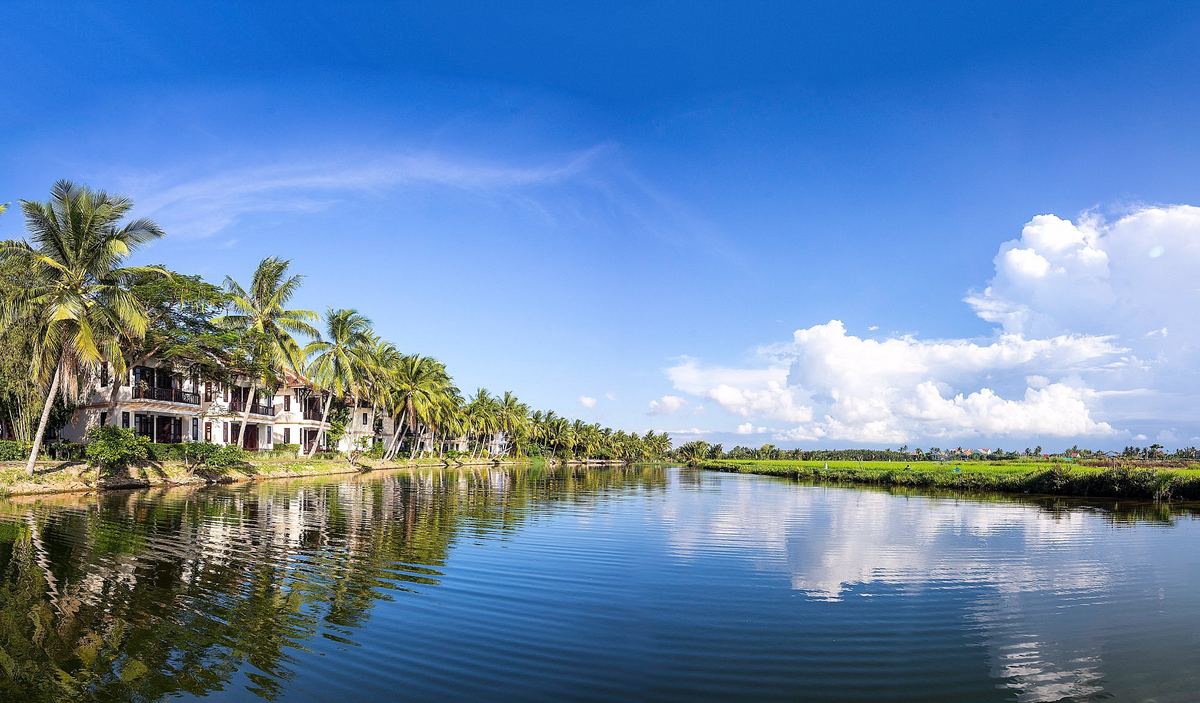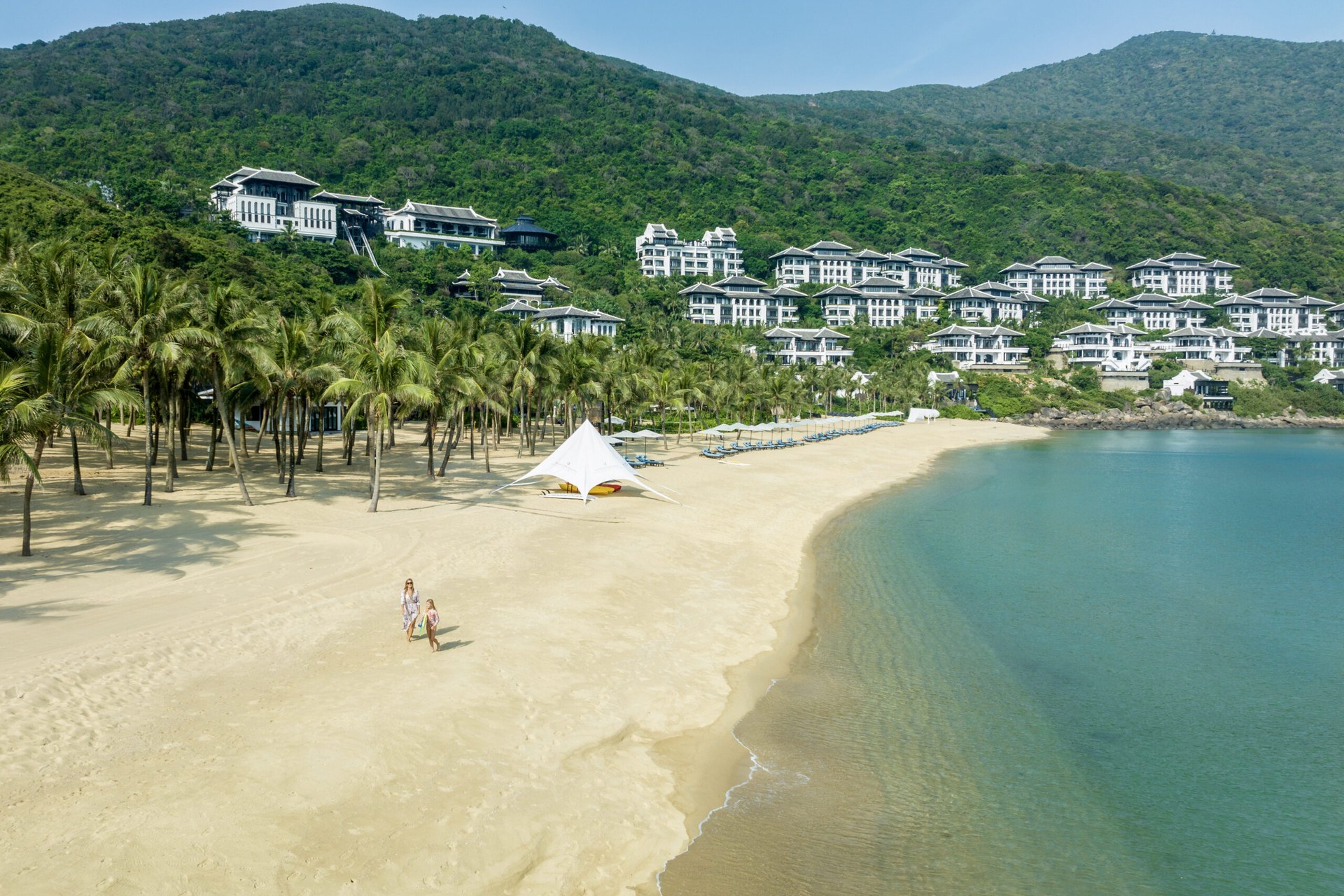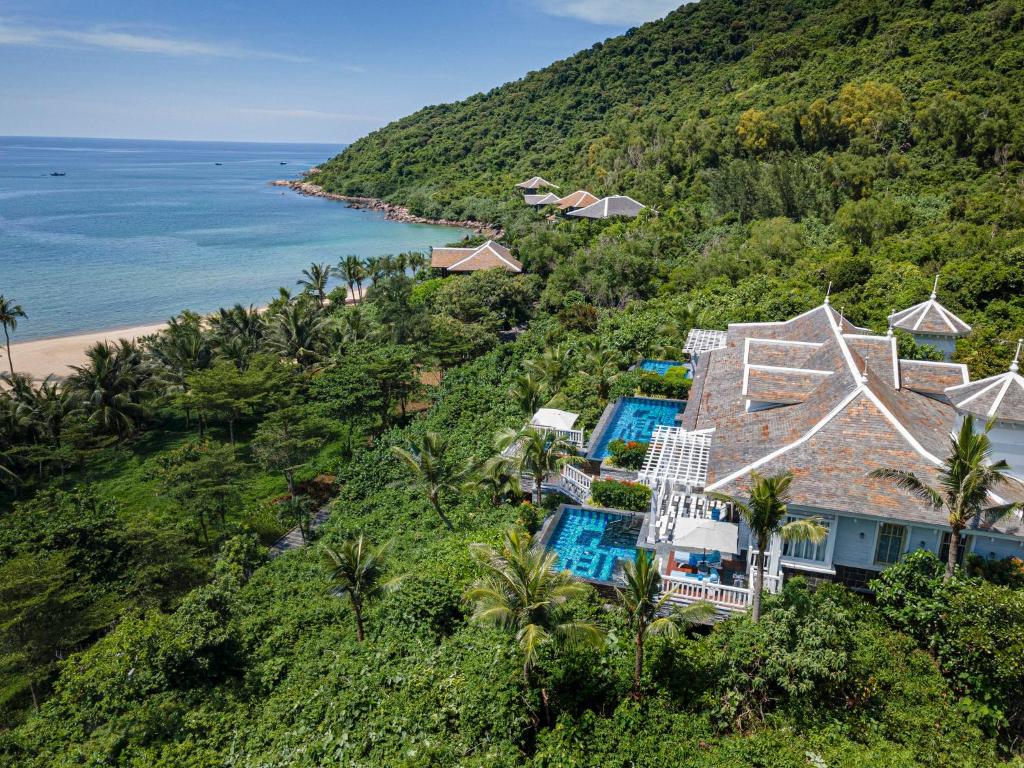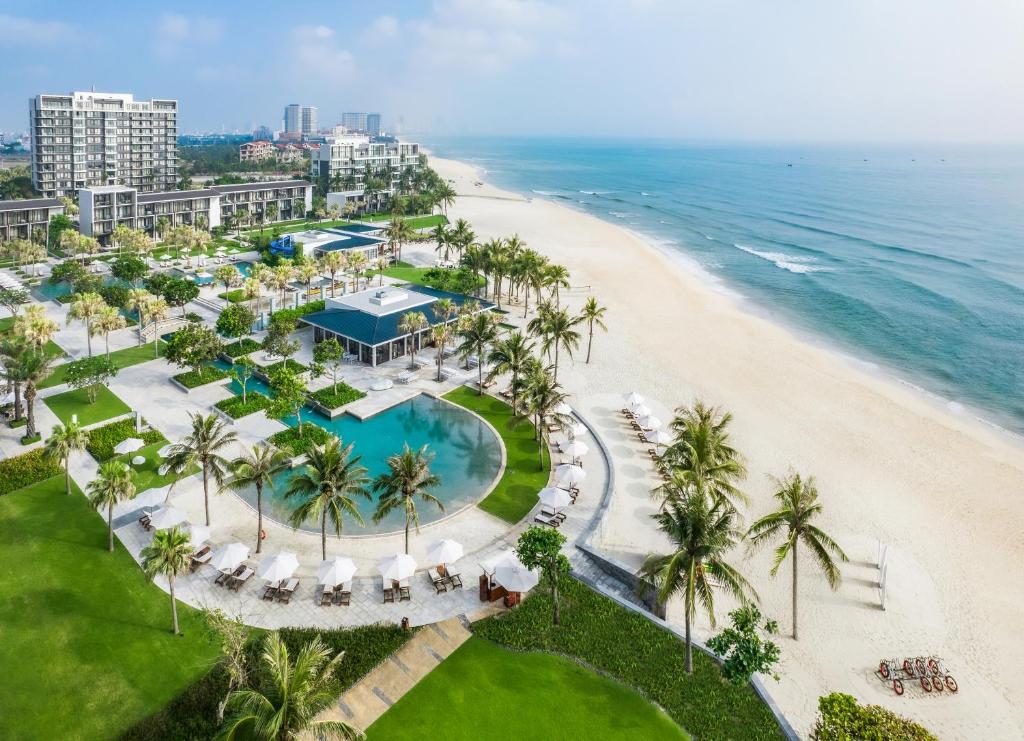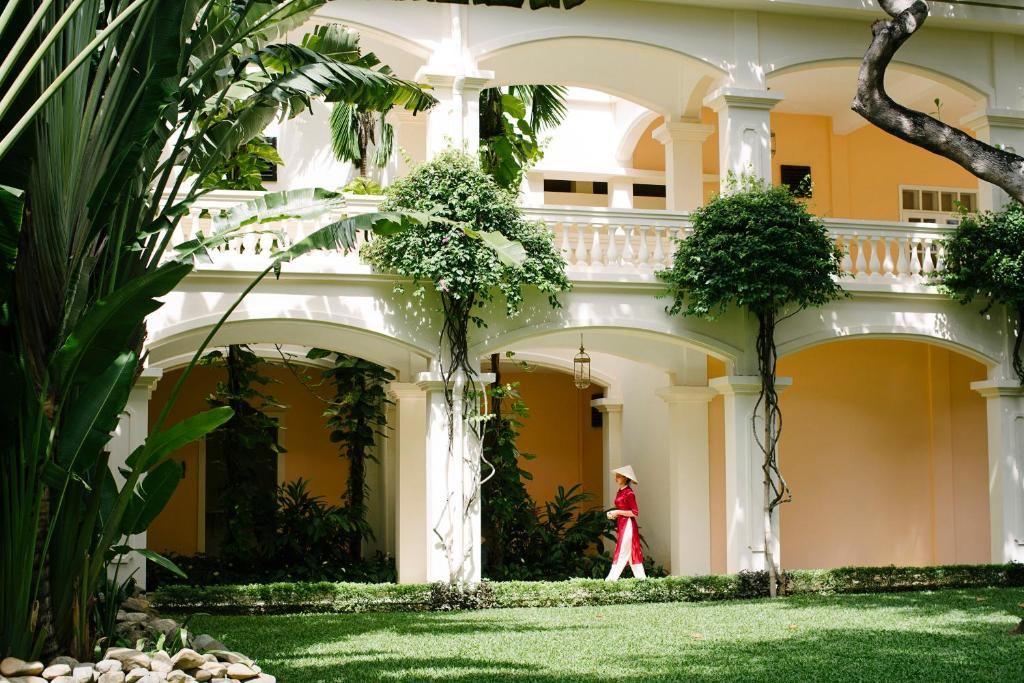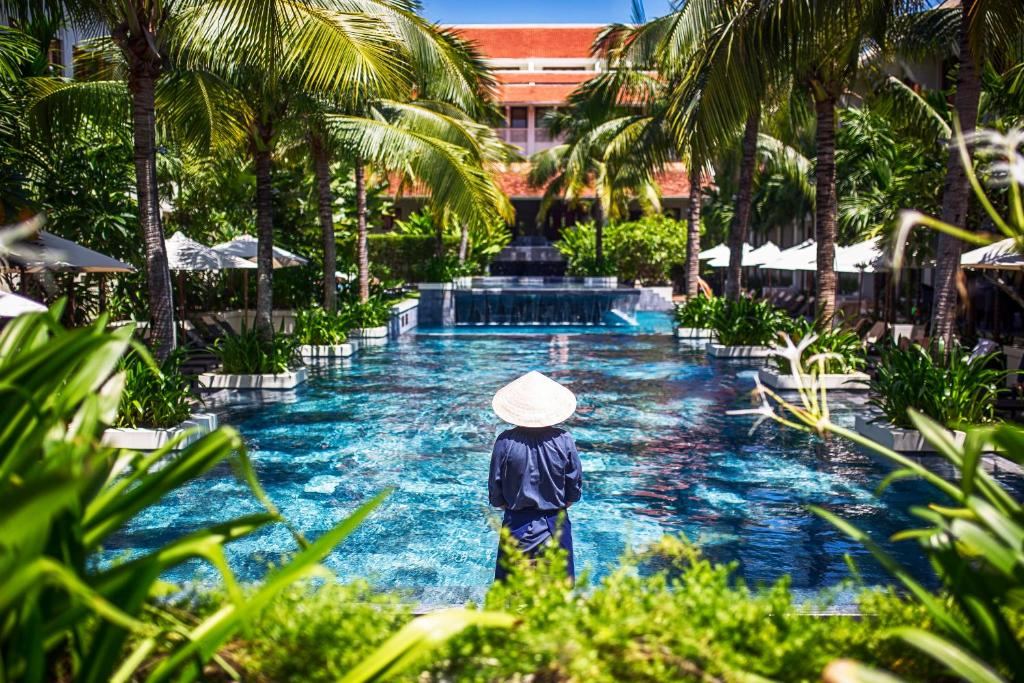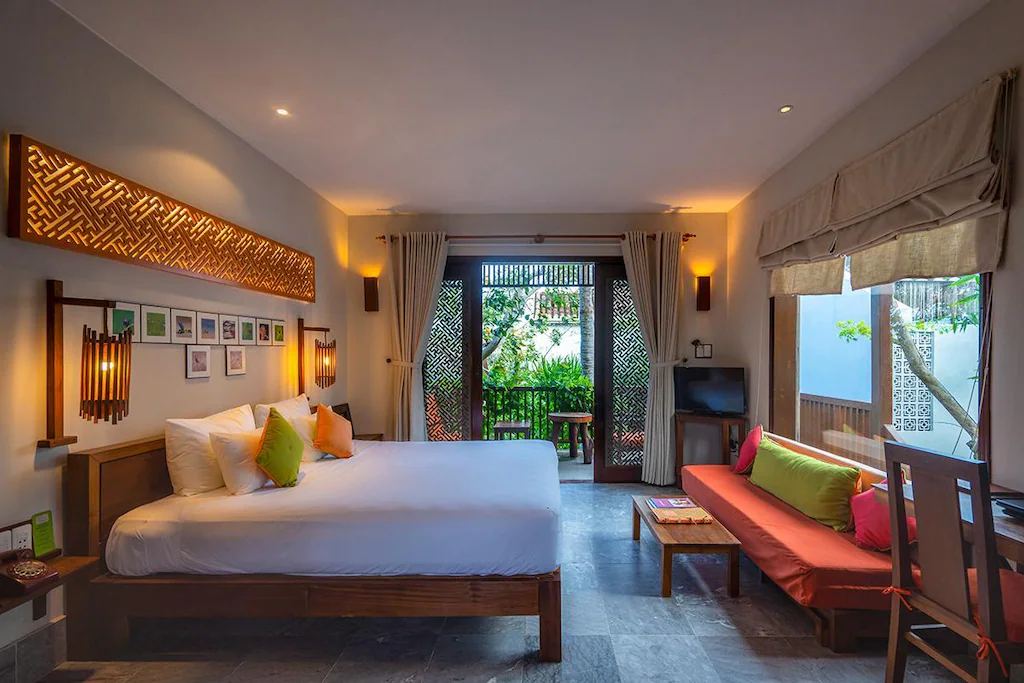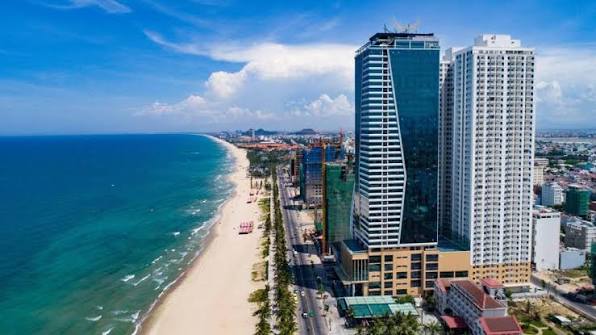

Da Nang and Hoi An are 30km apart on Vietnam's central coast, connected by a fast road and — depending on the day — separated by a stark difference in character. Da Nang is a functioning Vietnamese city: airport, beach, infrastructure, and scale. Hoi An is a UNESCO-listed trading port frozen architecturally in the 17th century, tourist-dense, walkable, and genuinely beautiful.
Neither is objectively better. The right choice depends on what you're actually optimising for. This comparison covers all eight material differences across both cities, with clear verdicts by traveller type at the end.
International airport · 20km beach
UNESCO Ancient Town · Compact
Side-by-Side Comparison
| Category | Da Nang | Hoi An | Edge |
|---|---|---|---|
| Beach Quality | My Khe: 20km, consistent, surfable | An Bang / Cua Dai: shorter, erosion issues | Da Nang ↑ |
| Hotel Prices | 3★ from $25 · 5★ from $120 | 3★ from $30 · 5★ from $150 | Da Nang ↑ |
| Walkability | Low — spread out, Grab needed | High — Ancient Town is fully walkable | Hoi An ↑ |
| Cultural Depth | Cham Museum, Marble Mountains | UNESCO Ancient Town, living heritage | Hoi An ↑ |
| Food Scene | Strong local, growing international | Exceptional — White Rose, Cao Lau, Banh Mi Phuong | Hoi An ↑ |
| Nightlife | An Thuong bar street, riverfront | Lanterns, riverside but quiet after 11pm | Da Nang ↑ |
| Crowds | Manageable year-round | Heavily congested Oct–Mar and holidays | Da Nang ↑ |
| Transport Links | International airport (DAD), expressway | No airport — 30min from Da Nang, 90min from Hue | Da Nang ↑ |
| Atmosphere | Modern Vietnamese city energy | Historic, lantern-lit, romantic | Hoi An ↑ |
| Digital Nomad | Co-working spaces, fast fibre, expat network | Slower internet, fewer co-working options | Da Nang ↑ |
Category Deep-Dive
My Khe Beach runs 20 continuous kilometres with reliable cleanliness from February to August, consistent swell for surfing October to February, and a full infrastructure of beachside cafés, sun lounger rental, and morning swim culture. Non Nuoc Beach, 9km south, is quieter and adjacent to the Marble Mountains. Beach quality in Da Nang is the strongest of any major Vietnamese coastal city.
An Bang Beach is pleasant and 4km from the Ancient Town — quieter than My Khe, with a more relaxed beach bar scene. Cua Dai Beach, closer to town, has suffered significant erosion since 2014 that has permanently narrowed the usable shoreline. Neither beach is bad, but both are shorter, less consistent, and more prone to seaweed accumulation from October to January. Hoi An's beaches are an add-on, not a destination.
Budget guesthouses from $15–25/night. Mid-range 3–4 star hotels $35–80/night. International luxury brands (InterContinental Sun Peninsula, Hyatt Regency, Sheraton Grand) from $120–$250/night. The sheer volume of supply — Da Nang has Vietnam's most hotel rooms per capita in the resort category — keeps prices competitive, especially in the March–May shoulder period.
Budget guesthouses from $20–35/night. Mid-range boutique hotels $45–100/night. Hoi An's boutique luxury — Anantara, Four Seasons (35km outside town), Rosewood — runs $150–400/night. The Ancient Town premium is real: properties inside or adjacent to the UNESCO zone command a 20–40% markup over equivalent quality further out. Value proposition is lower than Da Nang at every tier.
Da Nang is spread across a significant area — the beach district, city centre, Han River, Son Tra Peninsula, and Marble Mountains are each 5–15km from one another. Grab or a rented scooter is effectively required for most sightseeing. Within the My Khe Beach strip and An Thuong neighbourhood, walkability is reasonable for an evening. As a walkable destination, it does not compete with Hoi An.
The Hoi An Ancient Town is one of the most walkable districts in Southeast Asia. Every major attraction, restaurant, tailor shop, and lantern stall is within a 1.5km radius of the Thu Bon River. Visitors routinely spend 2–3 days exploring entirely on foot or bicycle. This compactness is core to the Hoi An experience — it creates the serendipitous discovery of alleyways, craft workshops, and street food that is impossible in a car-dependent city.
Da Nang has a strong local food culture — mì Quảng, bún bò Huế, fresh seafood at excellent prices, and a growing international restaurant scene in An Thuong. One MICHELIN-starred restaurant, 20 Bib Gourmand recommendations. The food is genuinely good and significantly cheaper than Hoi An. What it lacks is the regional food identity that Hoi An has developed into a culinary brand.
Hoi An has three dishes that are among the most celebrated in Vietnam and unavailable in authentic form anywhere else: White Rose dumplings (Bánh Bao Bánh Vạc), Cao Lau noodles (made with water from a specific local well), and Bánh Mì Phương — widely considered the best bánh mì in the world. Beyond these icons, the concentration of excellent restaurants per square kilometre in the Ancient Town is exceptional. For food-focused travellers, this is not a close contest.
Crowds in Da Nang are manageable year-round because the city has the space to absorb them. My Khe Beach is 20km long — even at full capacity the density is reasonable. The sightseeing attractions (Marble Mountains, Son Tra, Dragon Bridge) are spread across the city. Peak season in June–August brings more visitors but the urban scale prevents the bottleneck effect.
The Hoi An Ancient Town is approximately 1km² in size and receives over 5 million visitors annually. During the October–March high season, the main streets of the Ancient Town (Nguyen Thai Hoc, Tran Phu, Bach Dang riverside) are shoulder-to-shoulder from 9am to 9pm. The evening lantern atmosphere — one of the main reasons people visit — is significantly degraded by crowd density on weekends and holidays. Visiting before 8am or after 9pm offers a radically different (better) experience.
Da Nang International Airport (DAD) has direct international routes to Bangkok, Singapore, Seoul, Tokyo, Guangzhou, Hong Kong, Taipei, and Kuala Lumpur, plus domestic connections to Hanoi and Ho Chi Minh City every 30–60 minutes. The airport is 3km from the city centre — a 10-minute taxi. Da Nang also sits on the North–South rail line (Hanoi–Ho Chi Minh City), with a train station 2km from the beach district.
Hoi An has no airport and no train station. All arrivals come via Da Nang Airport (30km, 40 minutes by taxi) or Chu Lai Airport in Tam Ky (65km, 90 minutes — limited routes). For travellers flying in or out of central Vietnam, Da Nang is the hub and Hoi An is dependent on it. This is a significant practical consideration for itinerary planning, especially on arrival days when a long journey after a flight is unwelcome.
Verdict by Traveller Type
The Bottom Line
If you're choosing one city only: Da Nang wins on practicality — better transport, better beaches, lower prices, and you can do Hoi An as a day trip without losing it. Hoi An wins on atmosphere and cultural depth but leaves you dependent on Da Nang for arrival, departure, and beach access.
The best approach by far is both. 30km apart, 40 minutes by taxi, they are not competing destinations — they complement each other precisely. A central Vietnam trip that skips one in favour of the other sacrifices something genuinely valuable. Budget 3 nights in Da Nang and 2 in Hoi An as the baseline structure for a first-time visit.
→ Things to Do in Da Nang — full activity guide with 2 and 3-day structures.
→ Where to Stay in Da Nang — neighbourhood breakdown by traveller type.
→ Hotel Price Index — current Da Nang rates by tier and season.
→ Transport Guide — how to get between Da Nang and Hoi An.