City Comparison · Vietnam · 2026

Da Nang vs Ho Chi Minh City

Vietnam's beach city against Vietnam's New York. They are not interchangeable — they serve completely different kinds of trips. Here is what each actually offers and which one fits your travel style.

✎ Written by Ryan Yousefi · 📅 Updated: April 2026 · ⏰ 10-min read

The Two Cities

Da Nang

  • Population: 1.2 million
  • Central Vietnam coast
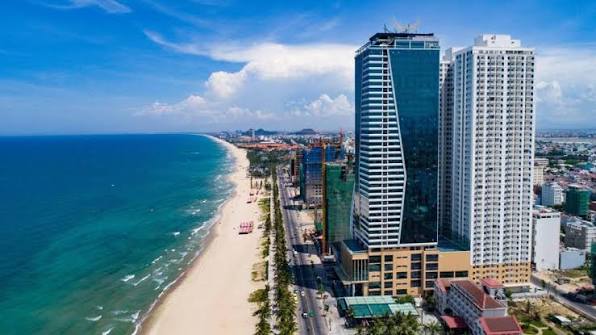
  • 35km of continuous beach
  • Modern city, built for comfort
  • US analog: Miami / San Diego
  • Best season: Feb–Aug
  • International airport (DAD)
  • 30 min to Hoi An

Ho Chi Minh City

  • Population: 13 million+
  • Southern Vietnam, economic capital
  • No beach (nearest 2+ hours away)
  • Relentless, layered, never quiet
  • US analog: New York City
  • Best season: Nov–Apr (dry)
  • Major hub airport (SGN)
  • Best food city in Vietnam

The Miami vs New York framing isn't just marketing language — it genuinely captures the texture of each city. Da Nang is built around outdoor life, ocean access, and a pace that doesn't demand much from you. Ho Chi Minh City rewards curiosity and stamina with the kind of density you can spend months exploring and still not exhaust. They serve fundamentally different trips.

The good news: a direct flight between the two takes under two hours. They are easy to combine on a longer Vietnam itinerary. The question is which should anchor your trip, or which deserves the longer stay.

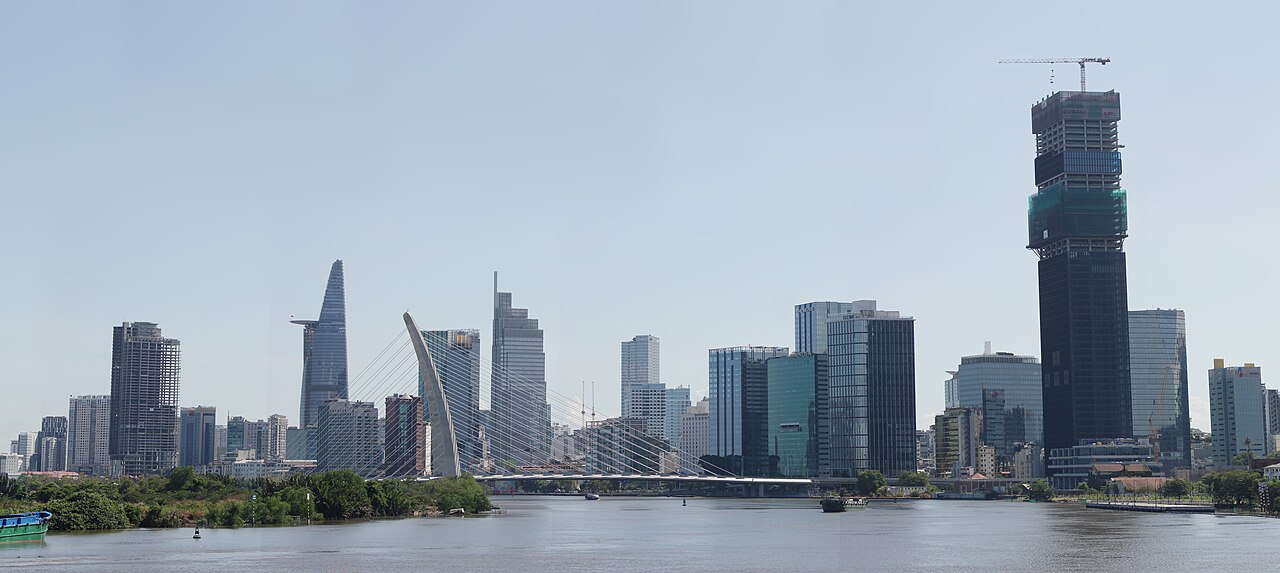
Ho Chi Minh City skyline and the Saigon River viewed from across the water

Ho Chi Minh City and the Saigon River — District 1's skyline, the economic heartbeat of Vietnam.

Side-by-Side Comparison

Category Da Nang Ho Chi Minh City
Population1.2 million13 million+
US City AnalogMiami / San DiegoNew York City
Beach Access35km on your doorstepNone in city; 2h+ away
Air QualityCleaner, sea breezeHeavy traffic pollution
Getting AroundQuick Grab rides, easy cityDense, long Grab times
Food SceneExcellent local cuisineVietnam's best, widest variety
NightlifeModerateExtensive, 24/7
Cultural DepthCham Museum, Marble MtsWar Museum, Reunification Palace
Mid-range hotel cost$80–150/night$90–180/night
5-star hotel cost$140–250/night$180–350/night
Digital nomad ratingExcellentGood but costly
FamiliesIdealManageable, intense
Best seasonFeb–AugNov–Apr (dry)
Flight from Hanoi1h 20min2h 5min

Beach & Outdoor Life

This is the most decisive category. Da Nang wins by default — HCMC simply does not have a beach. If you want ocean access during your trip, Da Nang is your answer and HCMC is not on the list.

My Khe Beach runs for 20 continuous kilometres through the city with consistent surf conditions, clean water from February through September, and the full infrastructure of beach bars, sun loungers, and watersports. Non Nuoc Beach (10km south) is quieter and resort-focused. Son Tra Peninsula adds clifftop swimming coves and the kind of forested coastal scenery that doesn't exist anywhere near HCMC.

For HCMC: the outdoor experience is urban — the Mekong Delta day trip (Cai Be, Ben Tre), rooftop bars with city views, and the network of city parks. Vung Tau beach is technically reachable in 2 hours by speedboat but requires deliberate planning and is not the same quality as Da Nang's coastline.

If beach time is any part of your trip goal, this comparison ends here: Da Nang.

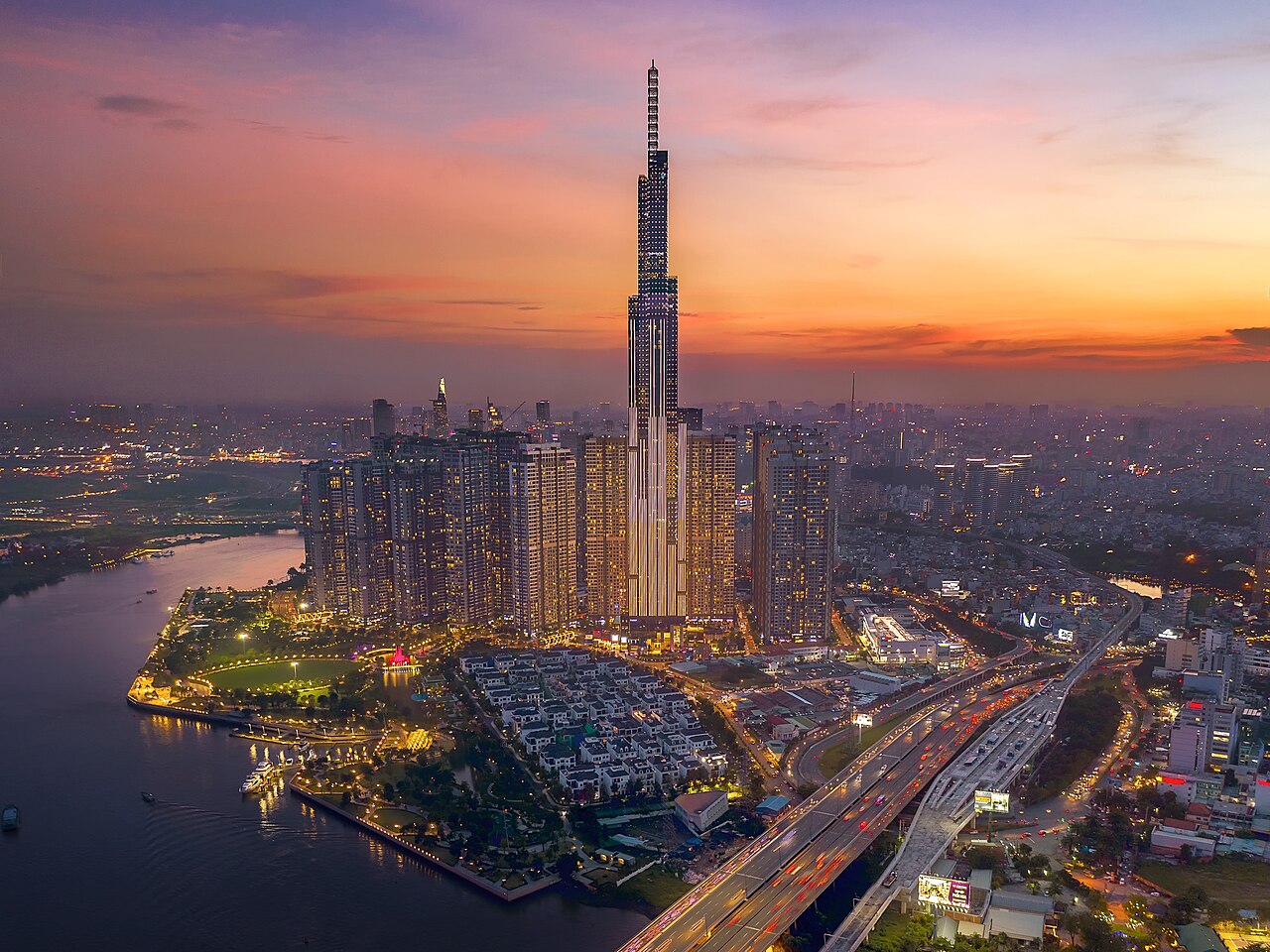
Ho Chi Minh City at sunset — the city's urban landscape and skyline at dusk

HCMC's outdoor life is urban by nature — Districts 1 through 4 offer the Mekong Delta at arm's length, rooftop bars, and city parks. No ocean required.

Food & Dining

Da Nang's Food Scene

  • Mi Quang — the city's signature noodle
  • Banh xeo — sizzling crepes done right
  • Fresh seafood at Bai But, Son Tra port
  • Banh mi with Da Nang-style fillings
  • An Thuong neighborhood: international cafes
  • Com ga Hoi An available everywhere
  • Strong Vietnamese coffee culture

Ho Chi Minh City's Food Scene

  • Com tam (broken rice) — the HCMC staple
  • Banh mi: arguably Vietnam's best versions
  • Pho — hundreds of dedicated pho shops
  • Banh cuon, hu tieu, bun bo Hue
  • Ben Thanh Market: concentrated street food
  • District 1–4: Michelin-tracked restaurants
  • Every international cuisine imaginable

HCMC wins this category on sheer scale and variety. It has a claim to being the greatest street food city in Southeast Asia — the density of quality options per city block in Districts 1, 3, and 4 is extraordinary. Da Nang has its own genuinely excellent food culture, but the range is narrower and the international options are more limited once you're outside An Thuong.

For a serious food traveller, HCMC deserves several days of dedicated eating. For someone who wants good food without obsessing over it, Da Nang's scene will satisfy completely.

Ho Chi Minh City panorama — the dense urban sprawl of Vietnam's largest city

HCMC's food density is hard to overstate — District 1 through 4 pack more street food variety per block than anywhere else in Vietnam.

Cost of Travel

ExpenseDa NangHo Chi Minh City
Budget guesthouse$20–40/night$25–50/night
Mid-range hotel$80–150/night$90–180/night
5-star resort$140–250/night$180–350/night
Local pho / noodles$1.50–3$1.50–3
Grab across city$2–6$4–15
Beer at local bar$1–2$2–4
Daily budget (mid-range)$80–120$100–160

Da Nang is cheaper across almost every category, but the difference is modest at the budget end. The gap widens significantly for hotels — Da Nang's luxury resorts offer genuine 5-star product at prices HCMC's equivalent properties don't match. Transport cost is the biggest practical difference: HCMC's size means longer Grab trips that add up quickly over several days.

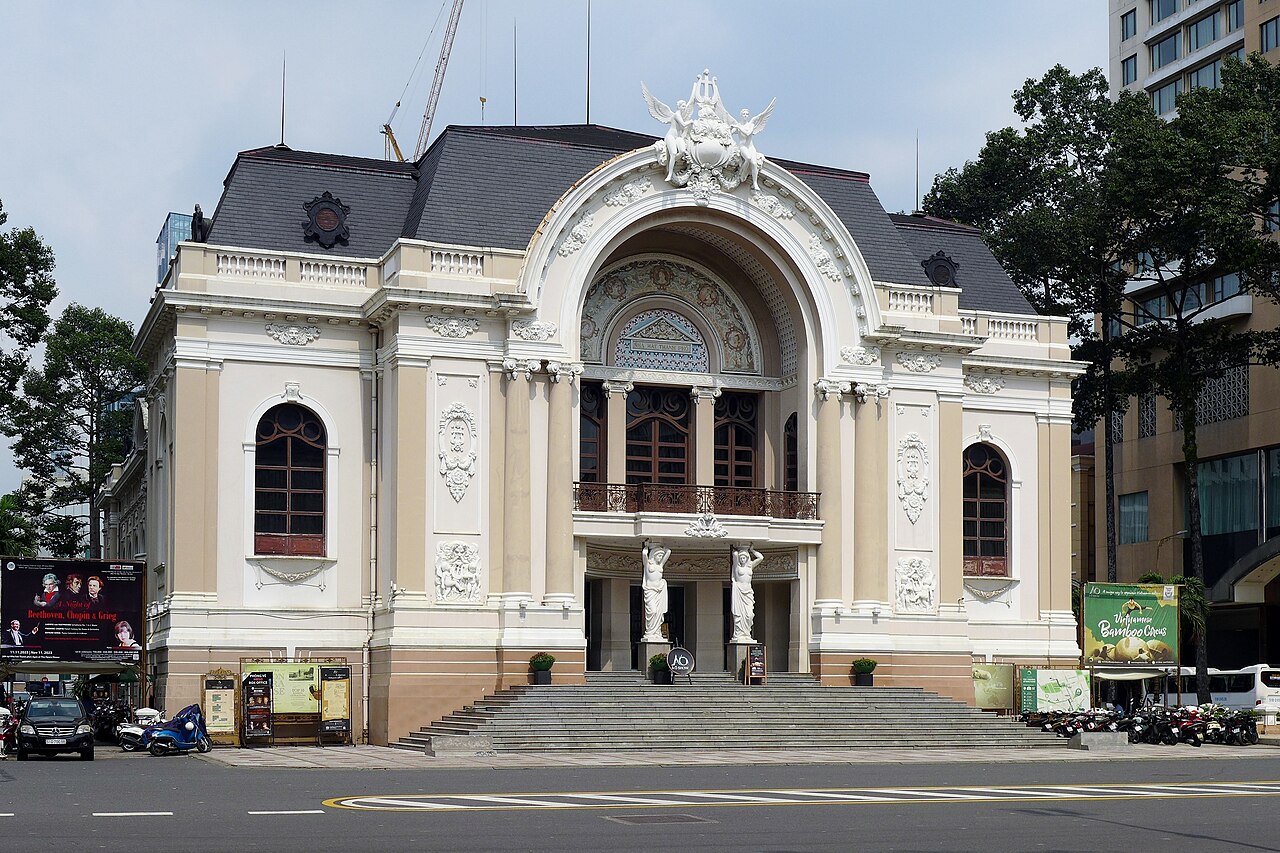
The Municipal Theatre of Ho Chi Minh City — French colonial architecture in the heart of District 1

Ho Chi Minh City at night — a city that runs 24/7. The scale and energy are genuinely different from any other destination in Vietnam.

Pros & Cons

DA NANG

Pros
  • 35km of beach on your doorstep
  • Cleaner air than any major Vietnamese city
  • Relaxed, navigable pace — easy to be here
  • Luxury hotels at significantly better value
  • Best digital nomad setup in Vietnam
  • 30 minutes from Hoi An
  • Strong dry season Feb–Aug
  • Excellent family infrastructure
Cons
  • Limited nightlife — quiet after midnight
  • Less historical/cultural museum depth
  • Narrower restaurant variety than HCMC
  • Typhoon risk Oct–Nov
  • Can feel slow for high-energy travellers
  • No equivalent to HCMC's rooftop bar scene

HO CHI MINH CITY

Pros
  • Vietnam's greatest food city — no close second
  • 24/7 nightlife: rooftop bars, live music, clubs
  • War Remnants Museum, Reunification Palace
  • Pham Ngu Lao backpacker scene
  • Major international airport — best hub in Vietnam
  • Enormous variety of hotels, areas, and neighbourhoods
  • Mekong Delta day trips easily accessible
  • Business connections, conference facilities
Cons
  • No beach — nearest quality option 2+ hours away
  • Traffic and air pollution are relentless
  • Overwhelming for first-time visitors
  • Significantly higher Grab/transport bills
  • Heat and humidity are intense year-round
  • Petty theft more common in tourist areas

Top Hotel Picks

Top Pick · Da Nang
Da Nang

InterContinental Sun Peninsula Resort

★★★★★ Son Tra Peninsula From $220/night Private beach below

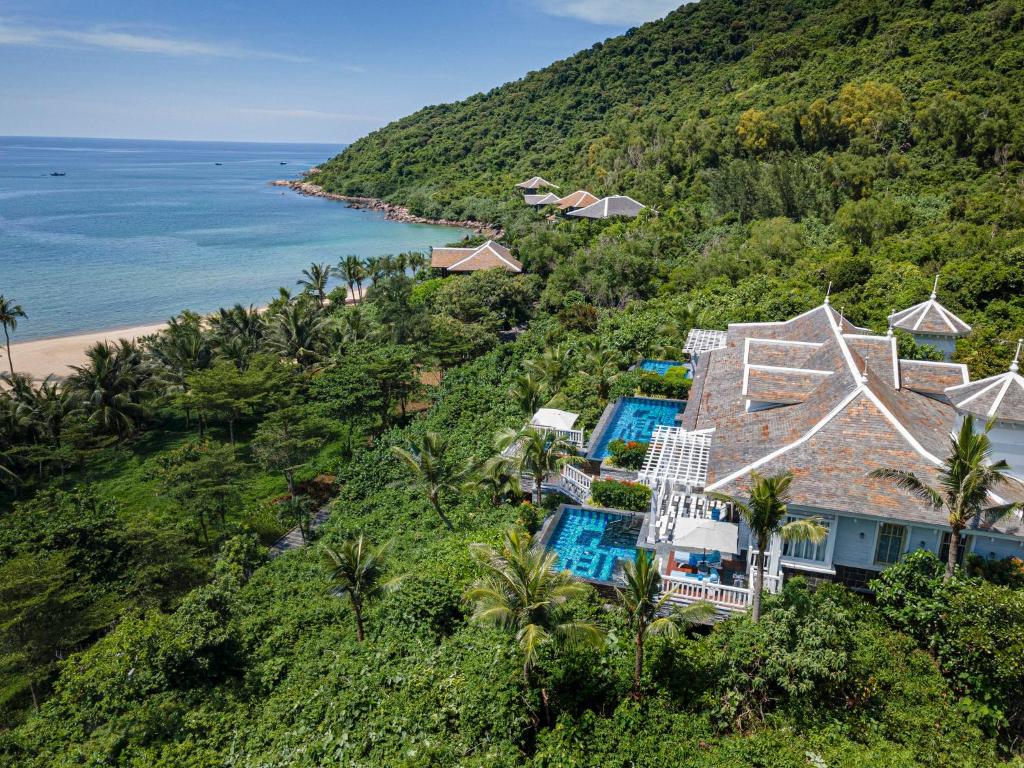
Built into the Son Tra Peninsula clifftop, the InterContinental is in a different category from Da Nang's beachfront resorts. Funicular access to a private cove, three pools terraced into the hillside, and one of the most dramatic resort settings in Southeast Asia. Rooms face either the South China Sea or the bay toward Da Nang city. The breakfast spread at Citron restaurant sets the standard for the city. This is not a hotel you leave on arrival morning — budget a slow day in.

Check availability on Booking.com →
Top Pick · Ho Chi Minh City
Ho Chi Minh City

Park Hyatt Saigon

★★★★★ District 1 — Lam Son Square From $200/night Opera House views

The Park Hyatt Saigon sits directly on Lam Son Square opposite the Opera House — the best address in District 1. French colonial architecture updated with contemporary Vietnamese interiors, a garden pool that functions as a genuine city retreat, and the Opera Tower Bar for cocktails with a view. The location means every major HCMC sight is walkable: the Reunification Palace, Ben Thanh Market, and the rooftop bar circuit are all within 15 minutes on foot. Service is attentive without being intrusive — this is the hotel that sets the standard for the city.

Check availability on Booking.com →

Who Should Go Where

Beach Travellers
Da Nang

HCMC doesn't have one. If beach time is any part of your trip, Da Nang is the only answer. My Khe is one of Southeast Asia's best urban beaches.

Food Obsessives
Ho Chi Minh City

HCMC's food density and variety is unmatched in Vietnam. Da Nang's scene is excellent but narrower. For a dedicated food trip, HCMC deserves 5+ days.

Families
Da Nang

Beach, BaNa Hills, calm traffic relative to HCMC, better hotel value for space. HCMC is manageable but the traffic and pace can exhaust younger children quickly.

Nightlife Seekers
Ho Chi Minh City

Bui Vien Walking Street, Chill SkyBar, rooftop venues across Districts 1 and 3 — HCMC's nightlife infrastructure is in another league from Da Nang's.

Digital Nomads
Da Nang

Lower cost, better café culture for work, a smaller city that doesn't drain energy, and a well-developed co-working ecosystem in An Thuong. HCMC works but is harder to sustain.

Culture & History
Ho Chi Minh City

The War Remnants Museum alone justifies the trip. Reunification Palace, Ben Thanh Market, and the layered French colonial streetscape in District 3 add real historical weight.

Couples / Honeymoon
Either — depends

Da Nang for resort luxury and sunset dinners. HCMC for urban romance — rooftop bars, fine dining, the Opera House. Both work; the choice is about pace.

First-Time Vietnam
Da Nang

Da Nang is a gentler introduction to Vietnam. HCMC is extraordinary but overwhelming as a first experience. Start in Da Nang, add HCMC later on the same trip.

Final Verdict

Da Nang and Ho Chi Minh City are not substitutes for each other — they are two entirely different propositions. Choosing between them is choosing between a beach holiday and a city immersion, not between two similar destinations where one is slightly better.

Choose Da Nang if: you want beach access, outdoor life, family-friendly infrastructure, better hotel value at luxury price points, or a base for digital nomad work. Da Nang is Vietnam's answer to Miami — it exists to make you comfortable, sun-exposed, and well-fed without demanding anything difficult from you.

Choose Ho Chi Minh City if: you want to be thrown into the deep end of Vietnam's urban energy, eat your way through the country's finest food city, explore a historically significant landscape, or experience genuine 24/7 nightlife. HCMC rewards those who can handle — and enjoy — the chaos.

For most trips of a week or more, the right answer is both: 3–4 nights in Da Nang anchored around beach time and Hoi An, then 3–4 nights in HCMC for the city experience. The flight between them is 95 minutes and costs $30–60 booked in advance.

Frequently Asked Questions

Should I visit Da Nang or Ho Chi Minh City?
It depends entirely on what you want from a trip. Da Nang is Vietnam's beach city — think Miami or San Diego. If you want ocean, outdoor life, and a relaxed pace at lower cost, Da Nang wins. Ho Chi Minh City is Vietnam's New York — relentless energy, the greatest food city in the country, 24/7 nightlife, and genuine urban depth. For a complete Vietnam picture, many visitors split a trip between both: Da Nang for the coast, HCMC for the city pulse. Flying between them takes under two hours.
Is Da Nang cheaper than Ho Chi Minh City?
For mid-range and luxury travel, Da Nang is modestly cheaper. A 5-star resort room at the InterContinental or Hyatt in Da Nang typically runs $140–250/night versus comparable hotels in HCMC at $160–300/night. Street food and local dining costs are similar in both cities. Where Da Nang clearly wins on cost is transport — the city is more compact, so Grab bills are lower across a multi-day visit.
Does Da Nang or Ho Chi Minh City have better beaches?
Da Nang by a wide margin. HCMC has no beach — the nearest options require a 2–3 hour journey each way. Da Nang has 35km of continuous coastline with My Khe Beach running directly through the city. If beach access is any priority, Da Nang is the only answer.
Which city is better for digital nomads?
Da Nang is consistently rated among Vietnam's top digital nomad destinations — better than HCMC for most remote workers. The cost of living is lower, the city is more manageable, the café and co-working ecosystem in An Thuong is well developed, and internet speeds are reliable. HCMC has more options in absolute terms but the cost and pace make it harder to sustain productive long-term work.
What is the best time to visit Da Nang vs Ho Chi Minh City?
Da Nang's best season runs February through August — dry, hot, and reliable beach conditions. Typhoon season affects Da Nang from October through November; avoid these months if possible. Ho Chi Minh City has two seasons: dry (November–April) and wet (May–October). The optimal window to combine both cities is February–April, when Da Nang's dry season overlaps with HCMC's comfortable late-dry period.

Ready to book your Da Nang stay?

Compare top hotels, check live rates, and book with free cancellation on most properties. Best hotels in Da Nang · Where to stay guide

Compare all Da Nang hotels on Booking.com →

Affiliate disclosure: we earn a small commission when you book via our links, at no extra cost to you.