
R
Ryan Yousefi
Editor-in-chief · Da Nang Hotel Guide · Based in Vietnam since 2022
Last updated
March 2026

The Short Answer

Choose Da Nang if you want a real Vietnamese city alongside the beach, proximity to Hoi An and the Marble Mountains, more activity options, lower hotel costs, and you're travelling between March and September.

Choose Phu Quoc if pure beach quality is your priority, you want resort-style seclusion, you're travelling between November and April, or you're doing Vietnam as an island beach holiday rather than a cultural trip.

Both are worthwhile. The key difference is that Da Nang is a destination with a beach; Phu Quoc is a beach with a destination growing around it. Your preference between those two framings should drive the decision.

💡 The single most important factor

Timing. Da Nang and Phu Quoc have opposite monsoon seasons — if your travel window is November to January, Phu Quoc is the clear winner (Da Nang is in its roughest weather window). If you're travelling March to September, Da Nang is excellent and Phu Quoc is in or approaching its rainy season. Check your travel dates first, then apply everything else in this guide.

Side-by-Side Comparison

Category Da Nang Phu Quoc
Beach quality My Khe: wide, clean, urban beach. Good infrastructure. Long Beach, Sao Beach: exceptional sand, turquoise water. Edge: Phu Quoc.
Best season Feb–August. Excellent dry season. Nov–April. Opposite monsoon window.
Cultural activities Hoi An (30 min), Marble Mountains, Cham Museum, Son Tra, Hue day trip. Huge advantage. Fish Sauce Factory, Phu Quoc Prison, night market. Limited.
Food scene Excellent Vietnamese city dining. Strong local specialities (mỳ quảng, bánh xèo). Michelin-recommended restaurants nearby. Good seafood, decent resort dining, growing but not as deep.
Hotel prices More affordable mid-range options. Competitive luxury market. Resort-dominated market pushes average costs up. Less mid-range.
Watersports Surf lessons, kayaking, banana boats, parasailing, Cham Islands snorkelling. Superior snorkelling and diving (An Thoi islands), kayaking, sunset cruises.
Getting there International airport, more direct flight options from Asia and beyond. International airport, growing connections but fewer options.
City life Real Vietnamese city with nightlife, markets, local neighbourhoods. Tourism town. Limited authentic Vietnamese urban experience.
Crowds Peak season (Jun–Aug) crowded at beach hotels. City absorbs well. Peak season (Dec–Jan) crowded. Island can feel overwhelmed in high season.
For digital nomads Strong co-working scene, expat community, good long-term infrastructure. Limited co-working. Not established for remote work stays.

Beach Quality: An Honest Comparison

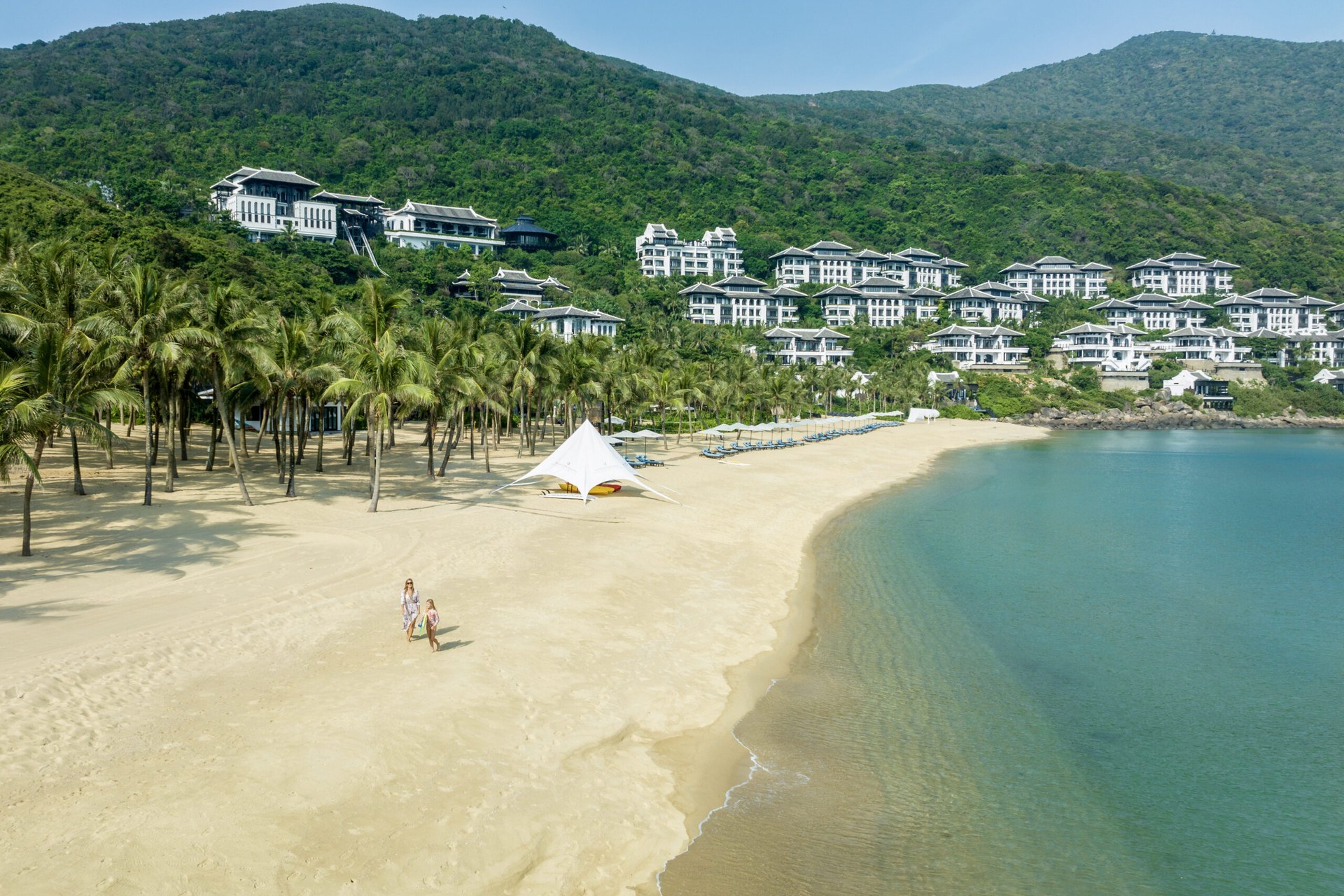
Phu Quoc wins on raw beach aesthetics. Sao Beach (Bai Sao) in particular is legitimately world-class — powder white sand, jade-clear water, and a palm-fringed backdrop that photographs as well as it looks in person. Long Beach, despite heavy development, still has exceptional sand quality along its cleaner northern sections.

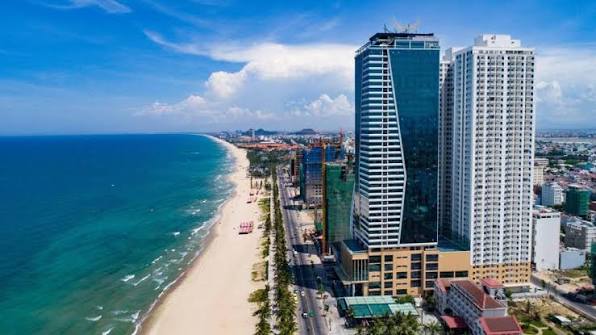
My Khe in Da Nang is an excellent urban beach — wide, clean, well-managed, and with better swimming infrastructure (lifeguards, flag system, beach facilities) than most of Phu Quoc's coastline. But it's an urban beach. You can see the city from it. The sand is golden rather than white. The water is typically a blue-green rather than turquoise. It's objectively a different category.

If beach aesthetics are the primary metric of your trip, Phu Quoc wins. If you want a beach that's also well-managed and convenient to everything else, My Khe holds its own well.

Weather: The Deciding Factor for Many

Vietnam's geography means Da Nang and Phu Quoc experience their monsoons at opposite times of year:

This means if you're visiting Vietnam in December or January, Da Nang's beach is genuinely problematic for swimming. Phu Quoc in December is at its very best. Conversely, Phu Quoc in July is rough and wet while Da Nang is flat, hot, and perfect.

Activities Beyond the Beach

This is Da Nang's most significant advantage over Phu Quoc, and it's a large one.

Da Nang's day trip network is extraordinary: Hoi An Ancient Town (UNESCO) is 30 minutes by taxi; My Son Sanctuary (Cham ruins, UNESCO) is 70 minutes; Ba Na Hills takes a full day; Marble Mountains is 30 minutes; Hue's Imperial City is 2.5 hours by car or train. Each of these is a meaningful attraction in its own right. You can spend 10 days based in Da Nang and genuinely not run out of things to do.

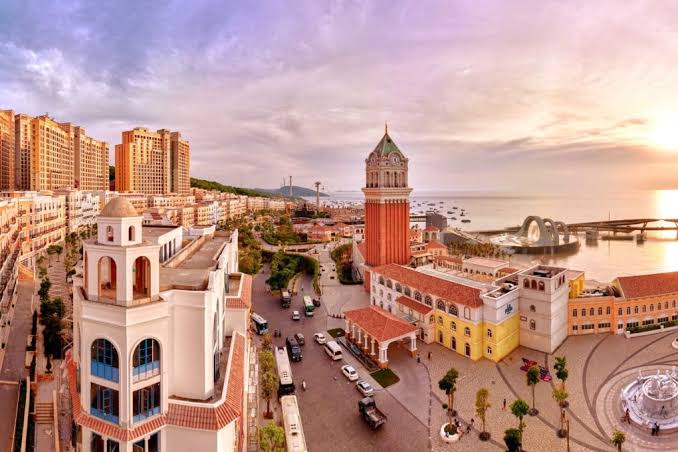
Phu Quoc's activities beyond the beach are improving but limited: the An Thoi island chain offers Vietnam's best snorkelling and some diving, the night market in Duong Dong is good, VinWonders theme park serves the family market, and Phu Quoc Prison is historically significant. But the island is still fundamentally a beach destination with a developing activity offering.

Price Comparison

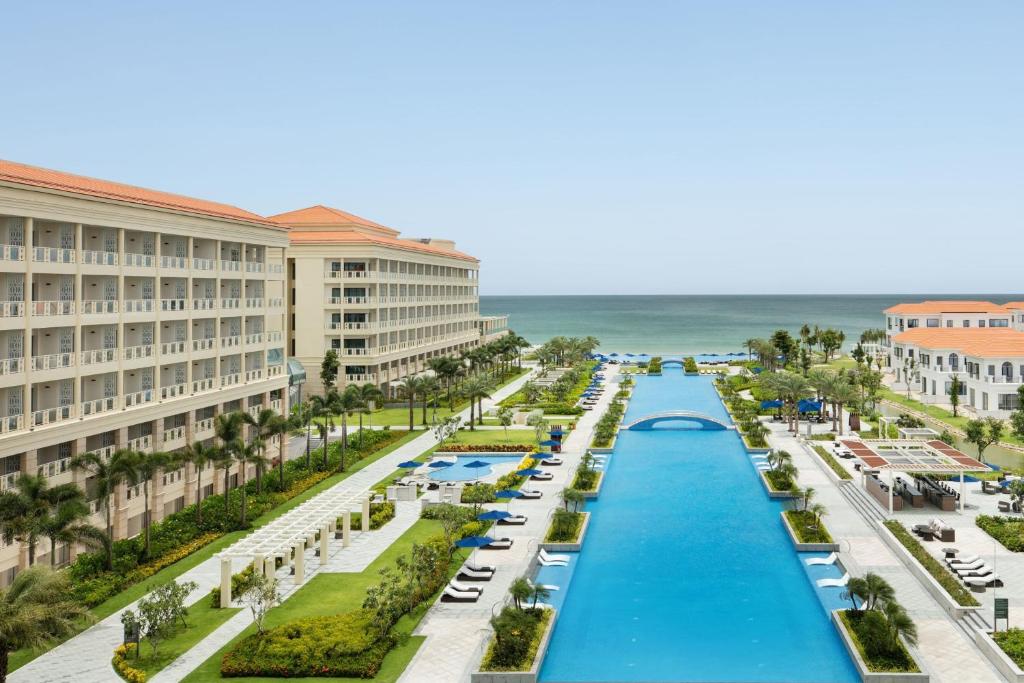
Da Nang is generally the more affordable option for accommodation. Phu Quoc's hotel market is dominated by large resort operators (Vinpearl, Premier Village, JW Marriott, Regent) whose pricing reflects resort economics — fewer budget or mid-range options near the best beaches. Da Nang's My Khe strip has genuinely good 4-star properties from $55–70/night; the equivalent beach access on Phu Quoc typically starts $20–40 higher at comparable standard.

Food costs are broadly similar between the two destinations in the local restaurant market. Transport within Phu Quoc is more expensive (the island is larger relative to its taxi infrastructure, and motorbike rental is the main practical option in many areas).

Verdicts by Traveller Type

Choose Da Nang
Da Nang is the better choice for:
  • First-time Vietnam visitors
  • Trips planned for March–September
  • Families who want activities beyond the beach
  • Couples combining beach with culture (Hoi An)
  • Digital nomads and remote workers
  • Budget-conscious travellers
  • Anyone who wants a real Vietnamese city experience
  • Surfers (My Khe has consistent beginner waves)
Choose Phu Quoc
Phu Quoc is the better choice for:
  • Beach purists who prioritise sand and sea clarity
  • Trips planned for November–April
  • Couples on a beach resort-style holiday
  • Divers and snorkellers (better reef access)
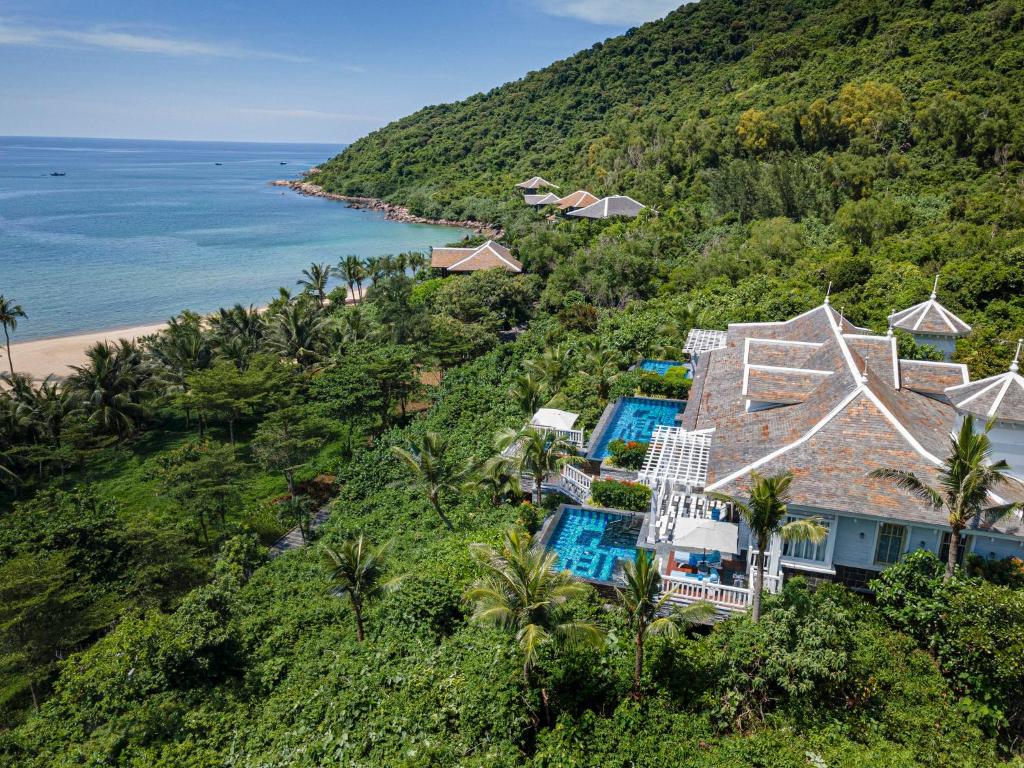
  • Luxury resort seekers (JW Marriott, Premier Village)
  • Those who want a quieter, more island atmosphere
  • Repeat Vietnam visitors who've already done Da Nang/Hoi An

Can You Do Both?

Yes — many Vietnam itineraries combine both. A practical combination on a 2-week Vietnam trip might look like: 2–3 days Hanoi → 1 day Halong Bay → fly to Da Nang → 4–5 days Da Nang / Hoi An → fly to Ho Chi Minh City → 1–2 days HCMC → fly to Phu Quoc → 3–4 days Phu Quoc. This covers Vietnam's main highlights without backtracking.

Flights between Da Nang and Phu Quoc connect via Hanoi or HCMC — there are no direct routes as of 2026. Budget 3–5 hours and $60–120 USD for this leg depending on the connection.

The Bottom Line

Both destinations are excellent and both are worth visiting on a Vietnam trip. The decision comes down to timing, priorities, and how many days you have. If you're visiting Vietnam once and want the most complete experience — Da Nang is the more versatile destination. If you're returning for a dedicated beach trip and timing aligns with Phu Quoc's dry season — Phu Quoc's beaches are genuinely among the best in Southeast Asia.

The one comparison that definitively favours Da Nang: the combination of urban infrastructure, cultural day-trip access, and a genuine Vietnamese city to explore makes it the stronger first-time destination. Phu Quoc rewards repeat visitors who already know they want a pure island beach escape.