Independent Editorial Guide · Updated May 2026
Everything you need before your first — or fifth — visit to one of Southeast Asia's most atmospheric towns. Where to stay, how to get there, when to go, and how to spend your time without the tourist traps.
Quick orientation
Hoi An is a small coastal town in Quang Nam Province, about 30km south of Da Nang. Its UNESCO-listed Ancient Town — the lantern-lit old quarter that every photo of Hoi An seems to feature — is genuinely one of the most preserved merchant towns in Southeast Asia. But Hoi An is more than that district. Understanding the geography helps you pick the right hotel and the right pace for your trip.
The Ancient Town (Old Town): The pedestrianised historic core. Tailors, lantern shops, cao lau restaurants, Japanese Covered Bridge, Assembly Halls. Tourists concentrated here. No motor vehicles during certain hours. Hotels inside the Ancient Town tend to be smaller, atmospheric, but pricier per square foot with limited pool access.
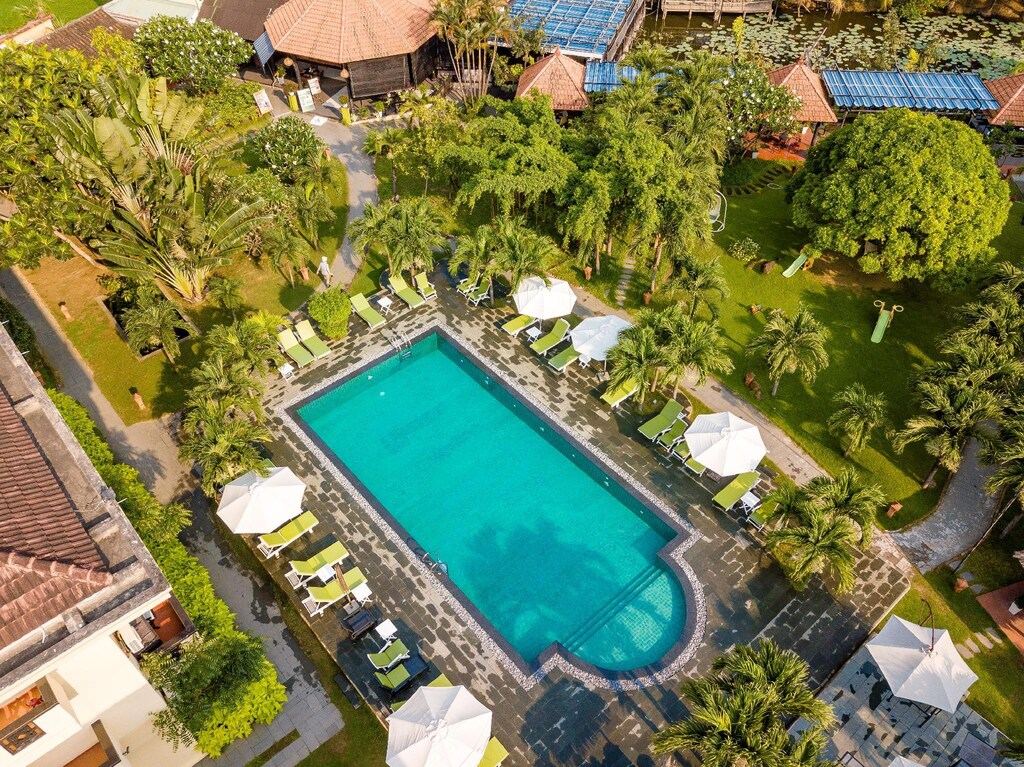
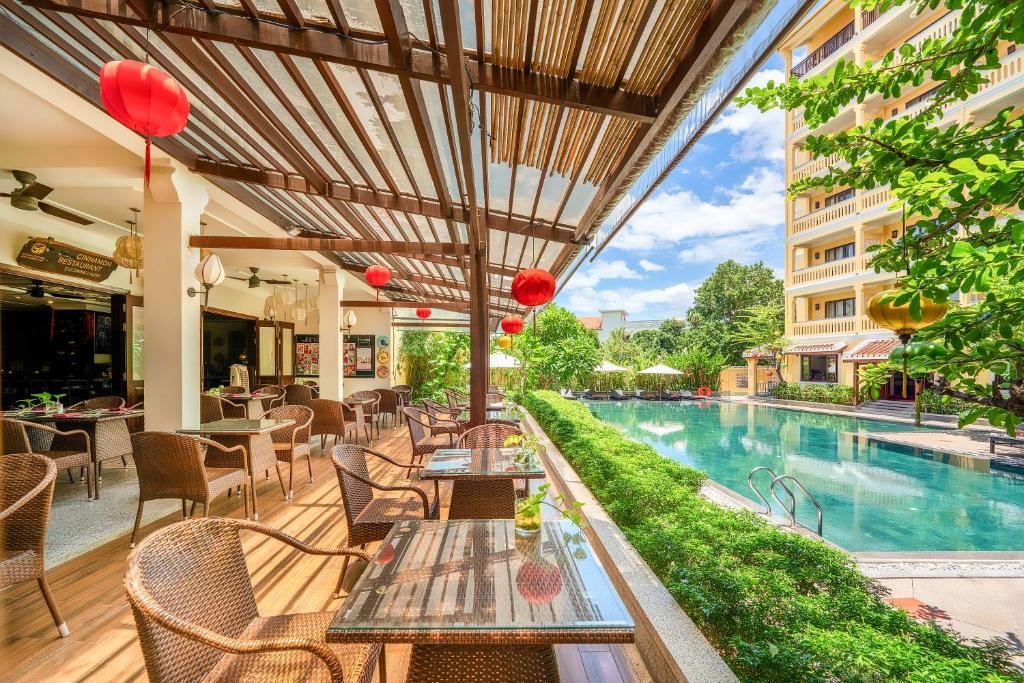
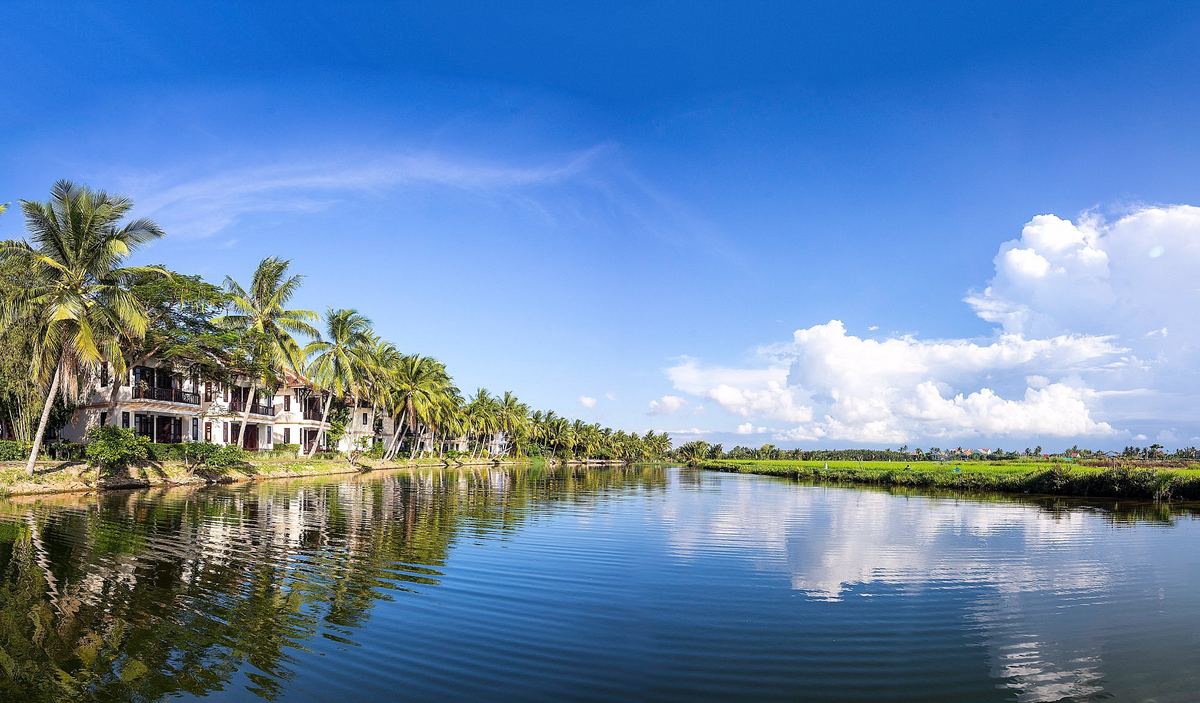
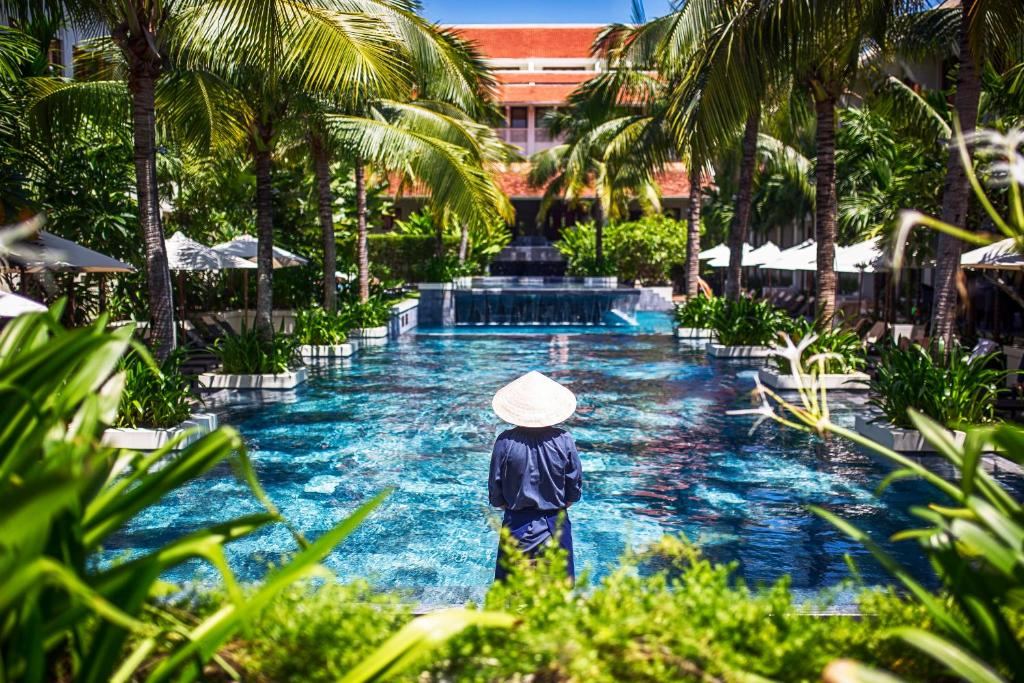
The Riverside strip: A 5–15 minute walk from the Ancient Town, along the Thu Bon River. This is the sweet spot for most travellers — boutique hotels with pools, greenery, and walkability to the old town. Anantara, Almanity, La Siesta, and Hoi An Historic Hotel are all in or near this zone.
An Bang Beach: 4km northeast of the Ancient Town. The best beach accessible from Hoi An — quieter than Cua Dai, better restaurants, good body-surfing when the swell is up. Grab, bicycle, or hotel shuttle gets you there. An Bang Seaside Village and Hoi An Trails Resort are based here.
Cua Dai Beach: 5km east of the Ancient Town. Once Hoi An's main beach resort strip. Badly eroded in recent years — the sand has receded significantly and some hotels have closed. Victoria Hoi An is still here. Worth knowing about, but An Bang is generally the better beach option now.
Cam Thanh: A quiet village south of the Ancient Town, known for the coconut palm water forests and basket boat tours. A handful of eco-resorts are based here. Good for couples wanting something calm and off the main tourist circuit.
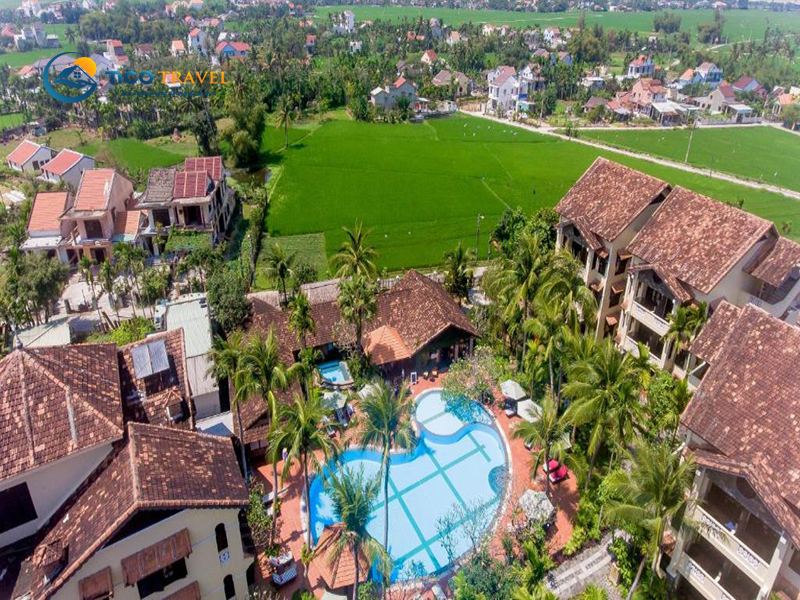
Countryside / organic farms: Further west, beyond the river, a handful of resort-style properties sit in rice paddies and fruit gardens. Hoi An Trails Resort is technically in this category. More peaceful but requires transport to anywhere.
Complete Hoi An coverage
Every guide you need — hotels, areas, transport, costs, and comparisons. All written from the ground, updated for 2026.
Ancient Town, riverside, An Bang Beach, Cua Dai, or countryside — which area suits your trip? Detailed pros, cons, and hotel picks for each zone.
Read guide →The complete ranked list — from the Four Seasons Nam Hai and Anantara to riverside boutiques and An Bang beach resorts. Editorially selected.
Read guide →Where to get the most for your money in Hoi An — boutique pools, great locations, and genuine comfort without paying luxury rates.
Read guide →The best hotels within walking distance of the Ancient Town — what walkable actually means, who this suits, and who should stay elsewhere.
Read guide →The best hotels near An Bang — Hoi An's most relaxed beach, 4km from the Ancient Town. Beach conditions, transport options, and resort picks explained.
Read guide →Grab, private car, shuttle bus, or taxi — every option compared with real cost ranges, timings, and practical tips for arriving with luggage.
Read guide →Honest cost comparison across hotels, food, transport, and beaches. The answer depends on what you're comparing — here's the full breakdown.
Read guide →What to expect, what to budget, where to eat, how to navigate the Ancient Town, and how to avoid the most common first-timer mistakes.
Read guide →8-category comparison to help you decide where to base yourself. Clear verdicts for beach lovers, culture seekers, families, couples, and digital nomads.
Read comparison →The big question
This is the first question most travellers to Central Vietnam face. The honest answer is that they complement each other well, and most visitors with a week or more should experience both. But if you're choosing a single base, here's the quick breakdown.
For a full 8-category comparison: Da Nang vs Hoi An guide →
Getting there
There is no direct rail or bus service from Da Nang Airport (DAD) to Hoi An. The journey is around 25–30km and takes 30–40 minutes by road, depending on traffic. You have a few options.
| Method | Approx. Cost | Time | Best For |
|---|---|---|---|
| Grab car | 200,000–300,000 VND | 30–40 min | Most travellers — easy, metered, reliable |
| Hotel/private transfer | $15–25 USD | 30–40 min | Families, late arrivals, groups with luggage |
| Taxi (metered) | 250,000–350,000 VND | 30–40 min | When Grab isn't available — Vinasun or Mai Linh only |
| Shuttle bus | 40,000–80,000 VND | 60–90 min | Budget travellers with time and no large luggage |
Full transport breakdown: Da Nang Airport to Hoi An guide →
Climate & timing
February to May: The dry season sweet spot. Temperatures are 24–30°C, sea conditions at An Bang are calm, and the light in the Ancient Town in the late afternoon is extraordinary. This is when Hoi An is at its most enjoyable. Book hotels at least 4–6 weeks in advance.
June to August: Hot (32–36°C) and humid, but reliably sunny. Peak beach season for An Bang. Crowds increase significantly in July and August, particularly from domestic Vietnamese tourists. Hotels fill up on weekends and during the Full Moon Lantern Festival. Book early.
September to November: Rain increases through September and peaks in October–November. This is Hoi An's typhoon-adjacent season — not that typhoons usually hit directly, but the rainfall is substantial. The Ancient Town floods most years in October or November, sometimes closing ground-floor access for several days. Travel insurance is recommended. Some travellers love it for the quiet and lower prices.
December to January: Cooler (20–24°C) and mostly dry, though overcast stretches are common. Good for those who prefer mild temperatures. Around Christmas and New Year, prices peak and the Ancient Town fills with tourists. Book very early for this window.
The Full Moon Lantern Festival (14th of each lunar month) is worth planning around — the Ancient Town turns off electric lights and fills with lanterns. It's genuinely beautiful, but hotels around this date fill quickly and prices can be 30–50% higher.
Common questions
Ready to book your Hoi An stay?
Compare hotels across every zone — Ancient Town boutiques, riverside resorts, and An Bang beach properties. Free cancellation on most bookings.
Search Hoi An hotels on Booking.com →Affiliate disclosure: we earn a small commission when you book via our links, at no extra cost to you.