What Is My Khe Beach?
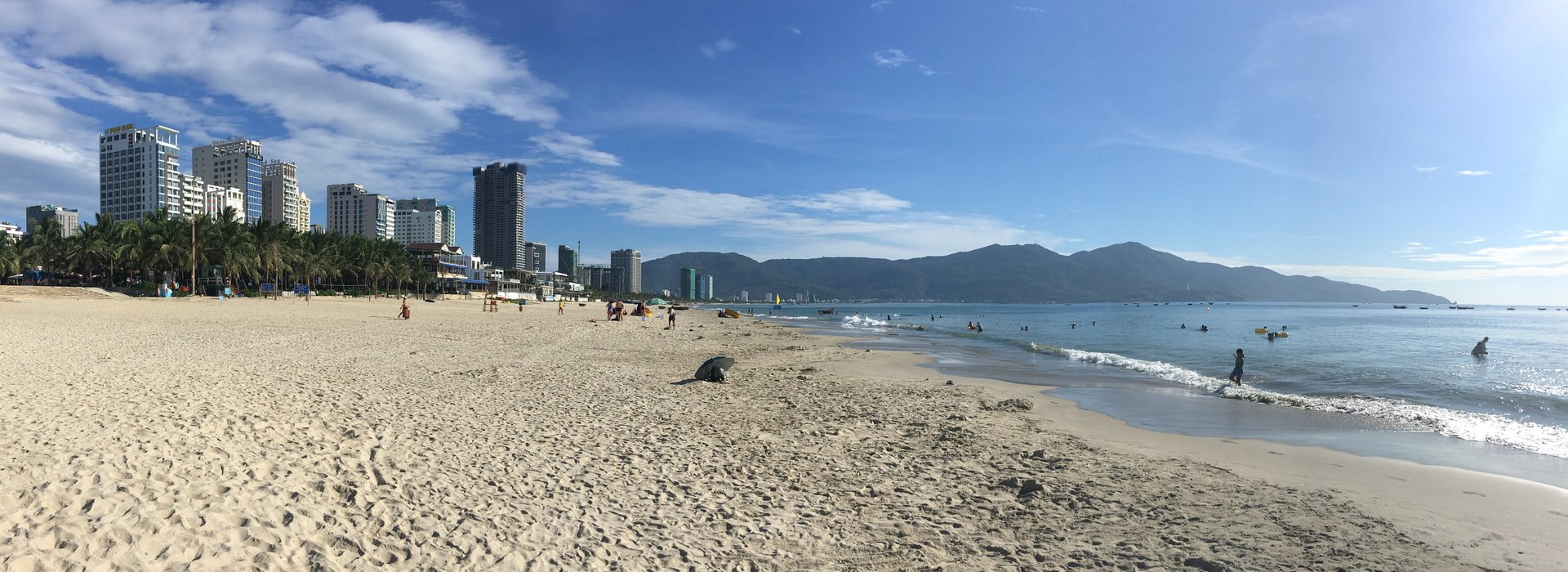
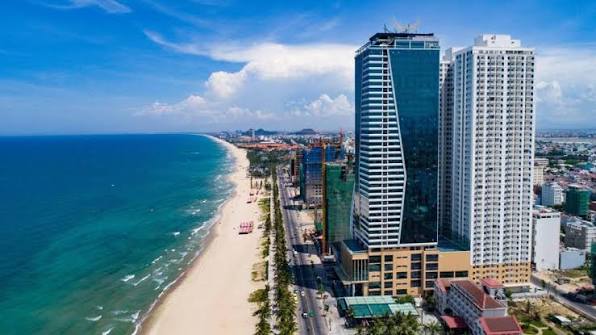
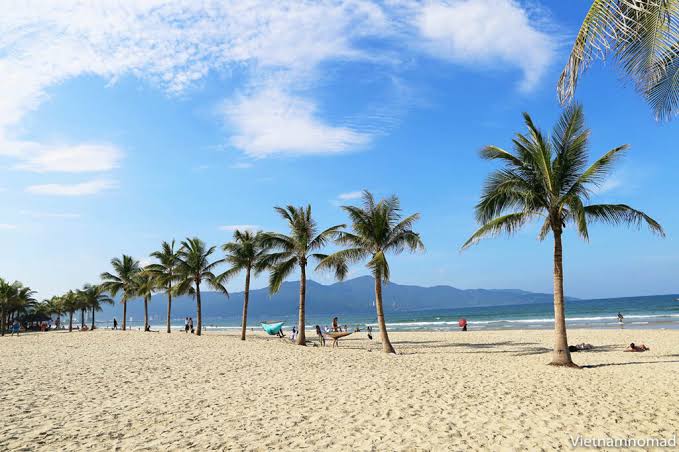
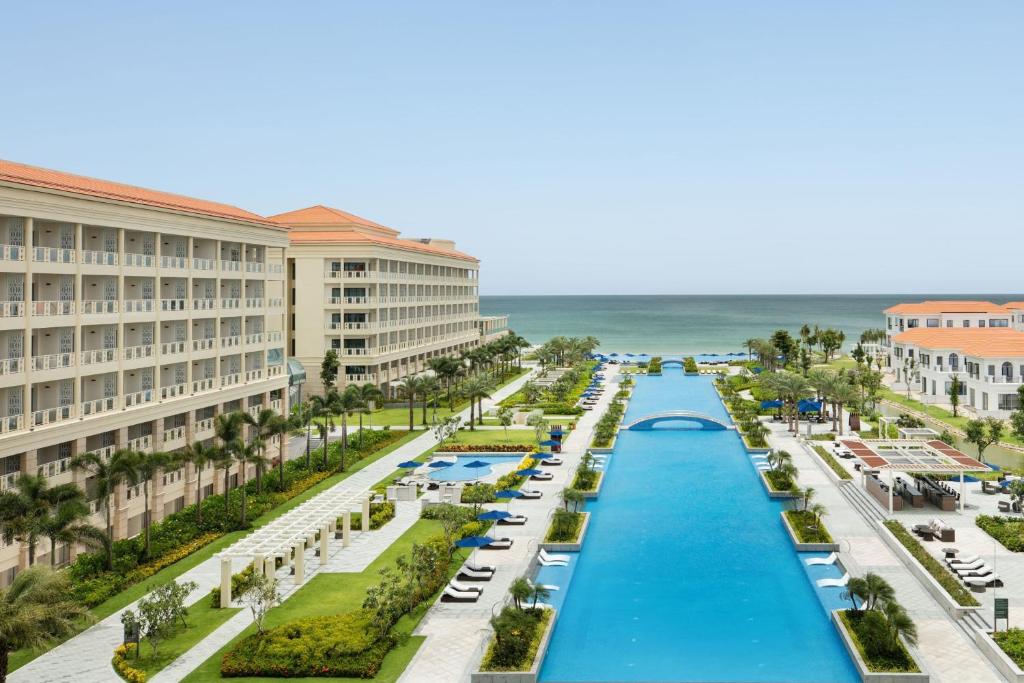
My Khe (Mỹ Khê) is Da Nang's main city beach — a 30-kilometre arc of white sand that stretches from the Son Tra Peninsula in the north all the way down to the Marble Mountains and Non Nuoc Beach in the south. Forbes Travel Guide once called it one of the planet's most beautiful beaches, and while that ranking belongs to an older era, the fundamentals hold: wide, clean sand, warm water for most of the year, and a full strip of hotels with direct beach access.
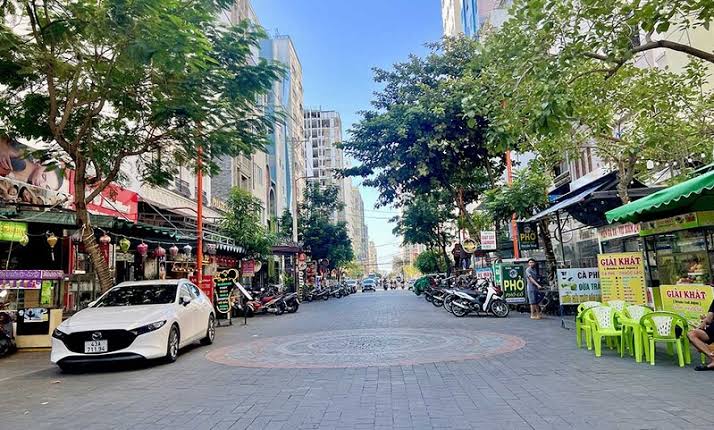
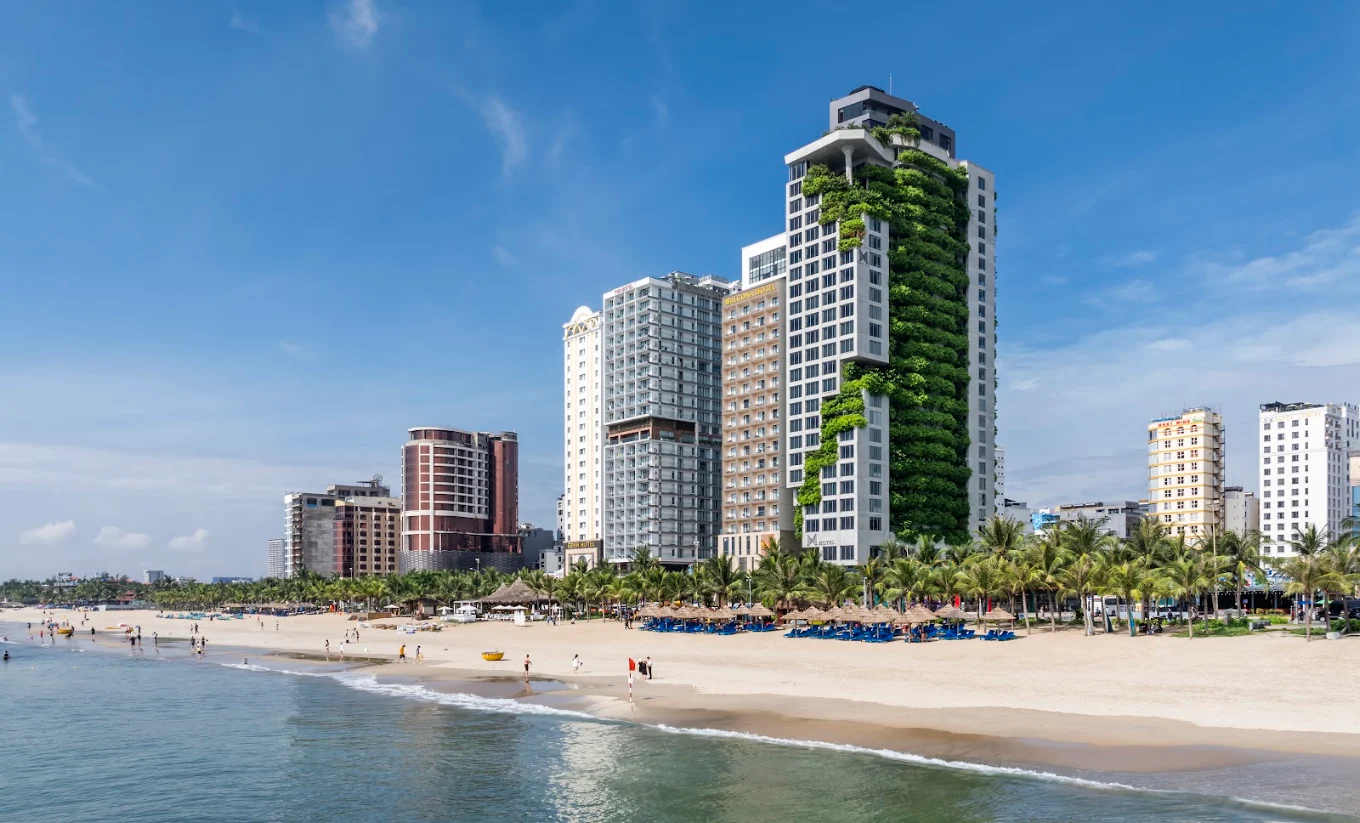
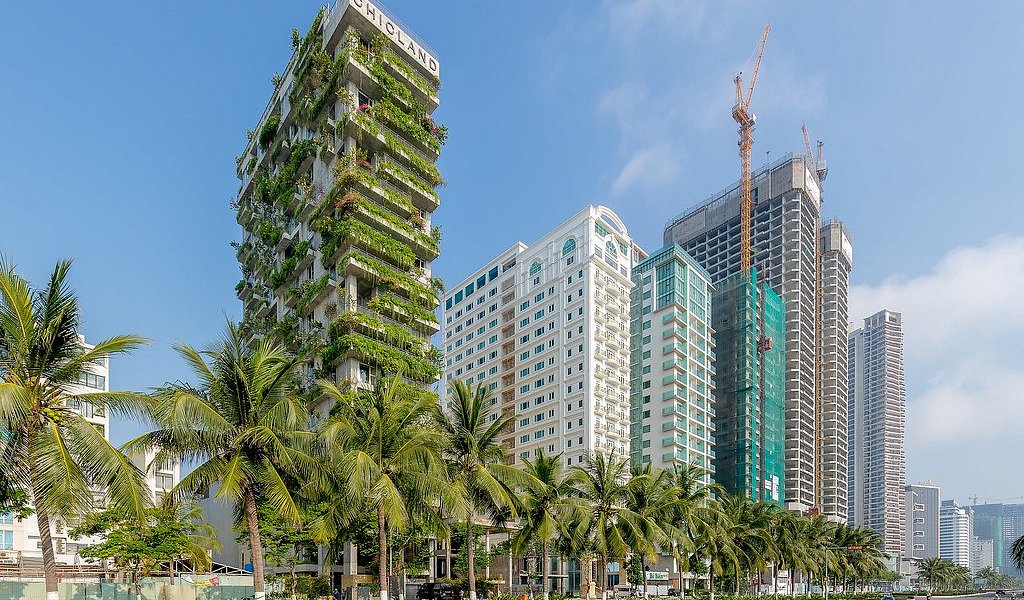
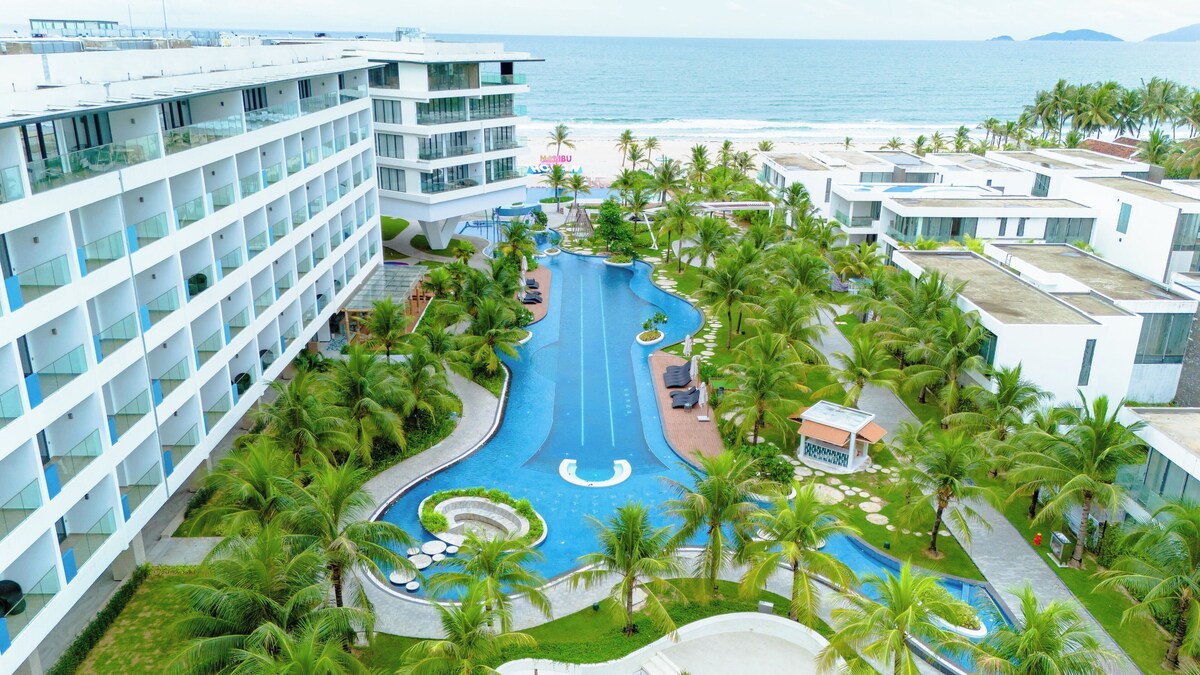
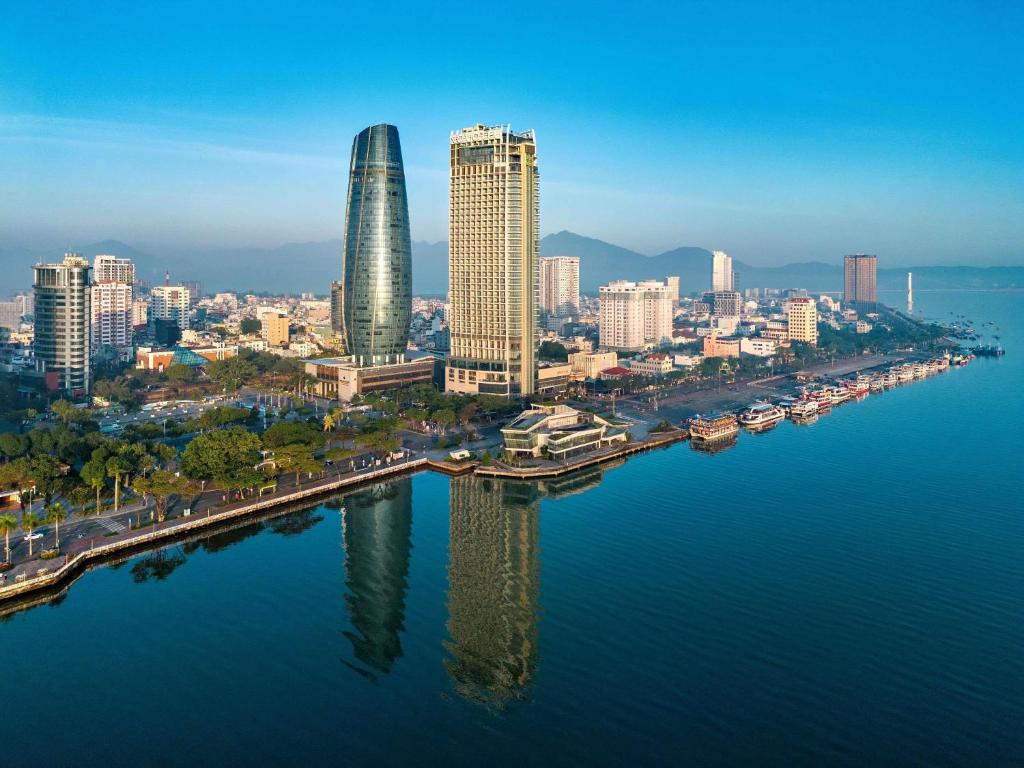
The tourist-active section runs for about 5–6 km along Pham Van Dong Street — Da Nang's main beach boulevard. This is where you'll find the Sheraton Grand, A La Carte, TMS Hotel, Wyndham Soleil, Muong Thanh Luxury, and dozens of smaller guesthouses all within walking distance of the surf. Locals swim at the northern and southern ends; tourists cluster in the middle.
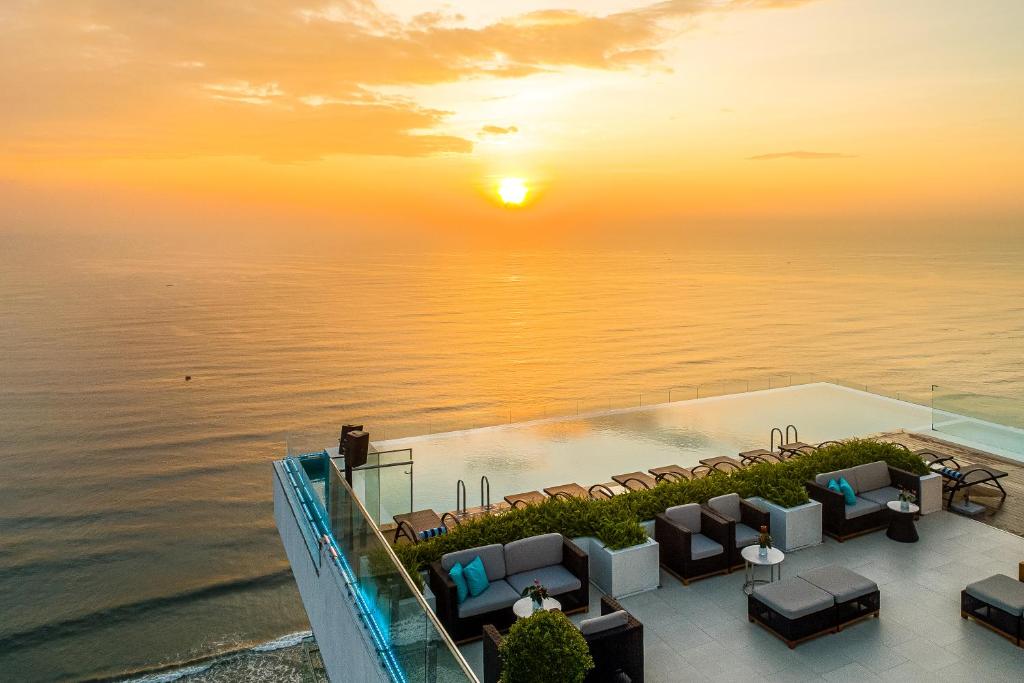
The beach faces east, which means you get beautiful sunrise light (and some afternoon shade) in the hours before 10am. If you want a sunset view from your hotel room, you need a west-facing room or a rooftop pool — the beach itself faces away from the setting sun.
My Khe Beach by the Numbers
| Stat | Value |
|---|---|
| Total length | ~30 km (Da Nang to Marble Mountains) |
| Tourist-active section | ~5–6 km (Pham Van Dong strip) |
| Average sea temperature (peak) | 28–30°C (May–September) |
| Average sea temperature (low) | 22–24°C (January–February) |
| Lifeguard season | Year-round on tourist section |
| Beach width (mid-season) | 50–80 m |
| Nearest airport | Da Nang International (DAD) · 7 min by Grab |
Swimming Conditions Month by Month
My Khe is swimmable for most of the year, but conditions vary significantly by season. The dry season (February to August) is the prime window for beach swimming. The wet season (September to January) brings swells, rain, and occasional rip current danger. Here's the honest monthly breakdown:
| Month | Sea Conditions | Swimming Safety | Water Temp |
|---|---|---|---|
| January | Choppy, swells | Caution | 22–23°C |
| February | Calming, light chop | Improving | 23–24°C |
| March | Calm, flat | Good | 24–25°C |
| April | Flat, excellent | Excellent | 26–27°C |
| May | Flat, warm | Excellent | 28–29°C |
| June | Flat, warm | Excellent | 29–30°C |
| July | Flat, warm | Excellent | 29–30°C |
| August | Flat, warm | Excellent | 29–30°C |
| September | Swells building | Caution | 28°C |
| October | Rough, typhoon swells | Dangerous | 26–27°C |
| November | Rough, strong rips | Dangerous | 24–25°C |
| December | Choppy, unsettled | Caution | 22–23°C |
October and November are when Central Vietnam's typhoon season peaks. My Khe can see powerful swells and rip currents during this period even on days when the sky looks clear. Never enter the water when red flags are displayed. Several tourist drownings occur here annually during this window — it is not worth the risk.
Understanding the Beach Flag System
Da Nang operates a clear colour-coded flag system on My Khe. Lifeguard towers are positioned roughly every 300–400 metres along the tourist section. Always check the current flag before entering the water.
| Flag | Meaning | Action |
|---|---|---|
| Green | Calm conditions, safe to swim | Safe to swim in designated areas |
| Yellow | Moderate conditions, take care | Swim with caution, stay near shore |
| Red | Dangerous conditions | Do not enter the water |
| Blue/Purple | Marine hazard (jellyfish) | Enter water at own risk; stingers present |
Lifeguards at My Khe are active daily. If you see a whistle being blown at you while swimming, it almost always means you've drifted outside the designated safe zone — move back toward the flags. Don't ignore it.
Rip Currents: What You Need to Know
Rip currents are the biggest swimming danger at My Khe. They form when water pushed onshore by waves finds a narrow exit channel back out to sea, creating a fast-moving outward current that can drag swimmers away from shore. The key thing to remember: never try to swim directly back to shore against a rip current. You will exhaust yourself.
If you're caught in a rip at My Khe:
- Stay calm — rips take you away from shore but not underwater
- Swim parallel to the beach (north or south) until you're out of the current
- Once clear, swim at an angle back toward shore
- Wave for assistance from the lifeguard tower if needed
- Float and conserve energy if you can't break free immediately
Rip currents at My Khe are most common near the ends of sandbanks and alongside any rocks or jetties. The northern section near the fish market has more irregular seabed and can generate stronger rips during swell events.
The Best Stretch of My Khe Beach
Not all of My Khe's 30 km is equal. Here's how the beach breaks down by zone:
Central Pham Van Dong Strip (km 1–5 from city) — Best for tourists
This is the main tourist section. Wide, clean, well-patrolled, and lined with beachfront hotels, beach bars, and seafood restaurants. The sand is at its best here — regularly raked, white-gold, with good water clarity. If this is your first time in Da Nang, stay on this stretch. The strip runs from roughly the intersection with Hoang Ke Viem in the north to the Furama Resort area in the south.
Northern My Khe (near Son Tra) — Best for locals, quieter
The further north you go toward Son Tra Peninsula, the quieter it gets. The My Khe fish market area is popular with Vietnamese families who set up under shade canopies. Less English spoken at the beach restaurants here, but the fresh seafood is exceptional and prices are lower. The seabed can be more uneven — less ideal for casual swimming.
Non Nuoc Beach (southern end, near Marble Mountains) — A different beach
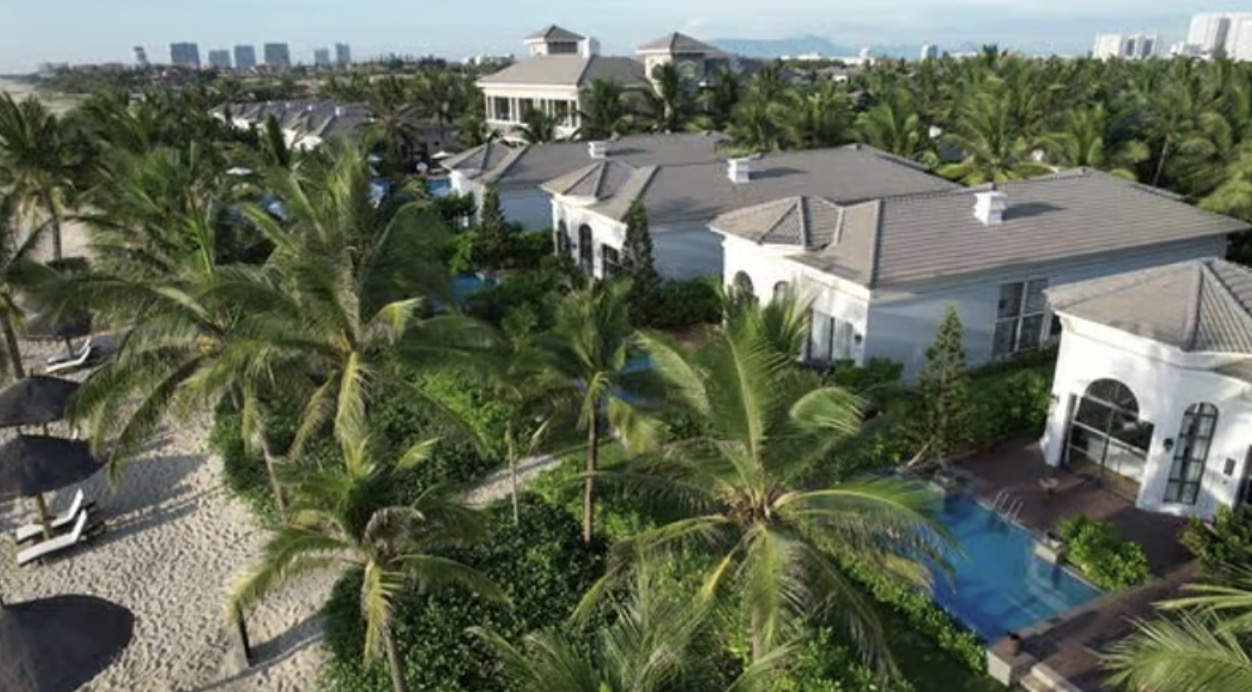
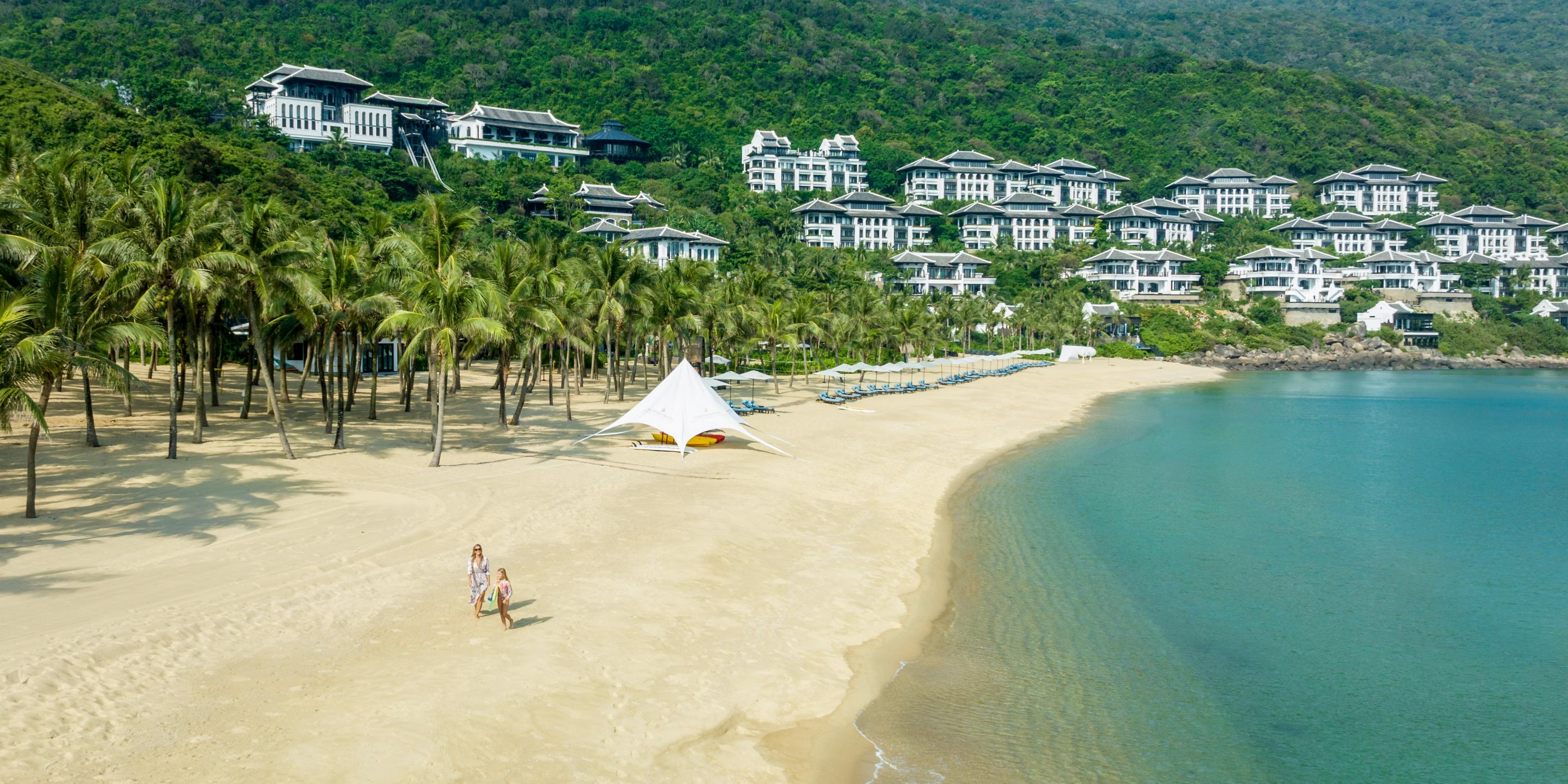
Technically a continuation of the same sand, Non Nuoc is a distinctly different experience. Less development, more reef, and home to the Hyatt Regency and InterContinental resorts on the hilltop above. If you're staying at these luxury properties, Non Nuoc is where you'll be. The beach here is wider and feels more secluded — though that also means fewer lifeguards in some sections.
My Khe Beach Hotels: The Best by Price Tier
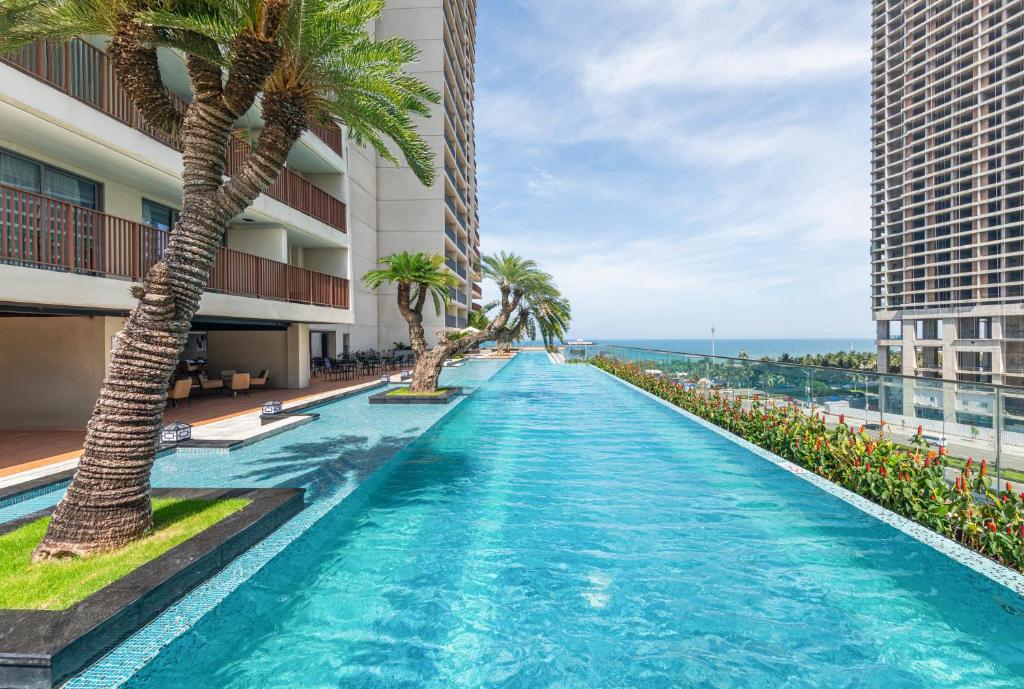
Every hotel on this list has direct beach access or is within 100 metres of the sand on Pham Van Dong. These are the properties the editorial team has verified for beach access, pool quality, and value.
My Khe beachfront hotels sell out earliest for the April–June window, which is peak season with school holidays from South Korea and Australia overlapping. If you're targeting spring or early summer, book 6–8 weeks ahead. For the September–November shoulder period you'll get the best rates but the beach swimming conditions are poor.
See the full Da Nang hotel prices by month guide for exact rate ranges.
What to Eat on My Khe Beach
The local food tradition on and near My Khe revolves around seafood. The stretch between the Danang Beach Hotel and the My Khe fish market is lined with seafood restaurants that grill fresh catch to order — clams, prawns, crabs, and snapper are the staples.
- Seafood restaurants on Pham Van Dong: Look for places with tanks of live seafood outside — pick your protein, agree a price, and have it grilled. Budget VND 150,000–300,000 per person for a full meal with beer.
- Beach bars: Several hotels run beach bars open to non-guests. A La Carte's beach bar and the Hilton Garden Inn's beachside setup are the most social. Expect VND 60,000–90,000 for a local beer.
- Bún bò Huế and bánh mì: From the street vendors working the northern section from around 6–9am. The best affordable breakfast option in this part of the city.
- Mỳ Quảng: Da Nang's signature noodle dish — try it at any local restaurant one block back from the beach where prices drop significantly.
Practicalities: Sun Loungers, Toilets & Getting There
Sun loungers and umbrellas
Beach chair hire on My Khe runs VND 30,000–50,000 per person including an umbrella. Vendors patrol the public beach sections. If you're staying at a beachfront hotel, sun loungers in the hotel's designated beach area are usually free for guests or come with a food/drink minimum.
Public toilets
Public toilet facilities exist at several points along the tourist strip — look for small beach shower/toilet blocks near the pedestrian beach access points. They charge a nominal fee (VND 3,000–5,000). Most beachfront hotel lobbies will also allow non-guests to use facilities if you're polite about it.
Getting to My Khe from the city
A Grab car from Da Nang airport to the My Khe strip costs VND 70,000–90,000 (roughly $3–4 USD) and takes 7–10 minutes. From the Han River hotel area it's 5–10 minutes and about VND 40,000–55,000. The beach is not walkable from downtown Da Nang city centre — you need transport.
Parking
If you're riding a motorbike, there are paid parking areas at several beach access points along Pham Van Dong. Rates are VND 3,000–5,000. During peak season (June–August) and on weekends, parking fills up fast by 8am.
Jellyfish: When and How to Avoid Them
Jellyfish are an occasional issue at My Khe, typically appearing in higher concentrations from May to August when warm water currents push them closer to shore. The species most commonly encountered are translucent moon jellyfish — mildly stinging but not dangerous to most people. If you see a blue/purple flag on the beach, jellyfish have been spotted and you enter the water at your own risk.
If stung: rinse with seawater (not fresh water), remove any visible tentacles without touching them with bare skin, and apply a cold pack if available. Most hotel first aid kits have antihistamine cream. Serious reactions are rare but possible — seek medical attention if you experience breathing difficulties, significant swelling, or severe pain.
My Khe vs Non Nuoc Beach: Which Should You Choose?
Both are technically part of the same beach system but they serve different travel profiles. If you want hotel choice, beach bars, city access, and easy transport to everything in Da Nang — My Khe is your base. If you're prioritising seclusion, reef snorkelling potential, and a luxury resort stay with a more natural backdrop — Non Nuoc (and the InterContinental/Hyatt corridor) is the better call. See also: Where to Stay in Da Nang for a full neighbourhood breakdown.