Da Nang coastline from above showing My Khe Beach and the city
📍 Da Nang Hotel Guide  ·  Itinerary Guide 2026

3 Days in Da Nang

A practical, day-by-day itinerary covering the city's essential highlights — beaches, ancient stones, peninsula viewpoints, night markets, and a full day in Hoi An. Structured morning, afternoon, and evening so you can adapt it to your own pace.

3 full days Day 3 Hoi An day trip 15 min airport to city Feb–Aug best weather

Da Nang in Three Days

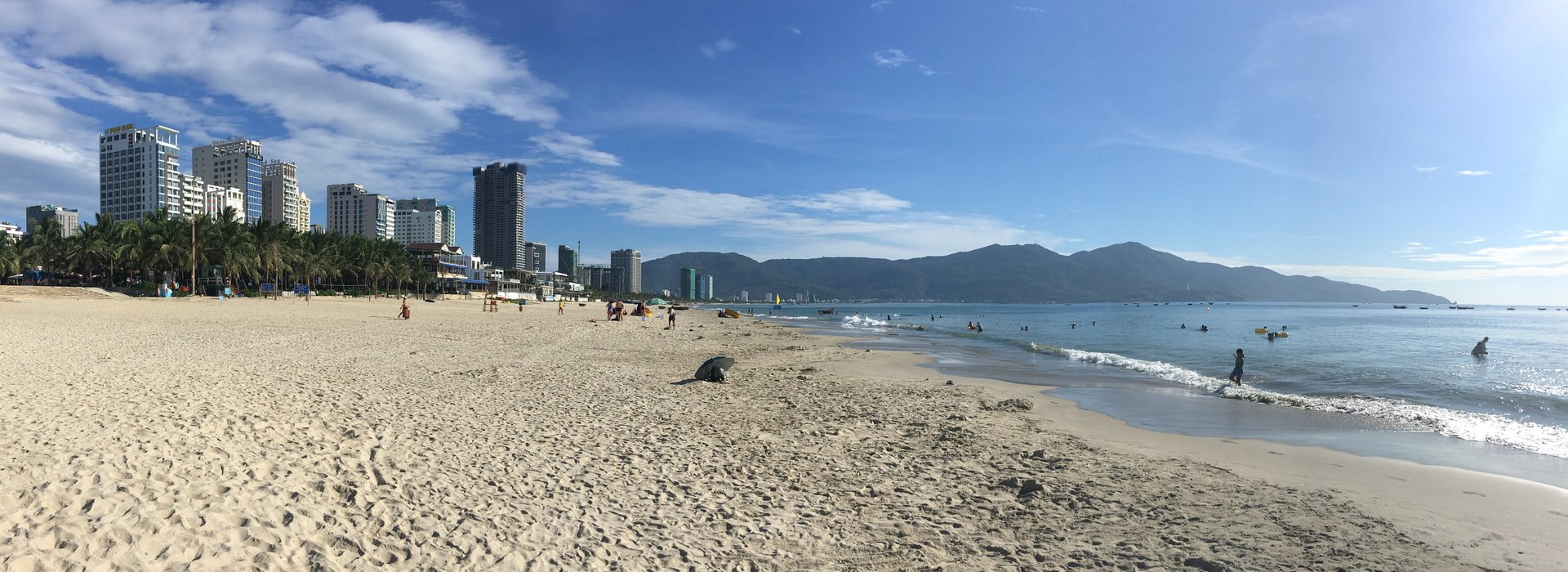
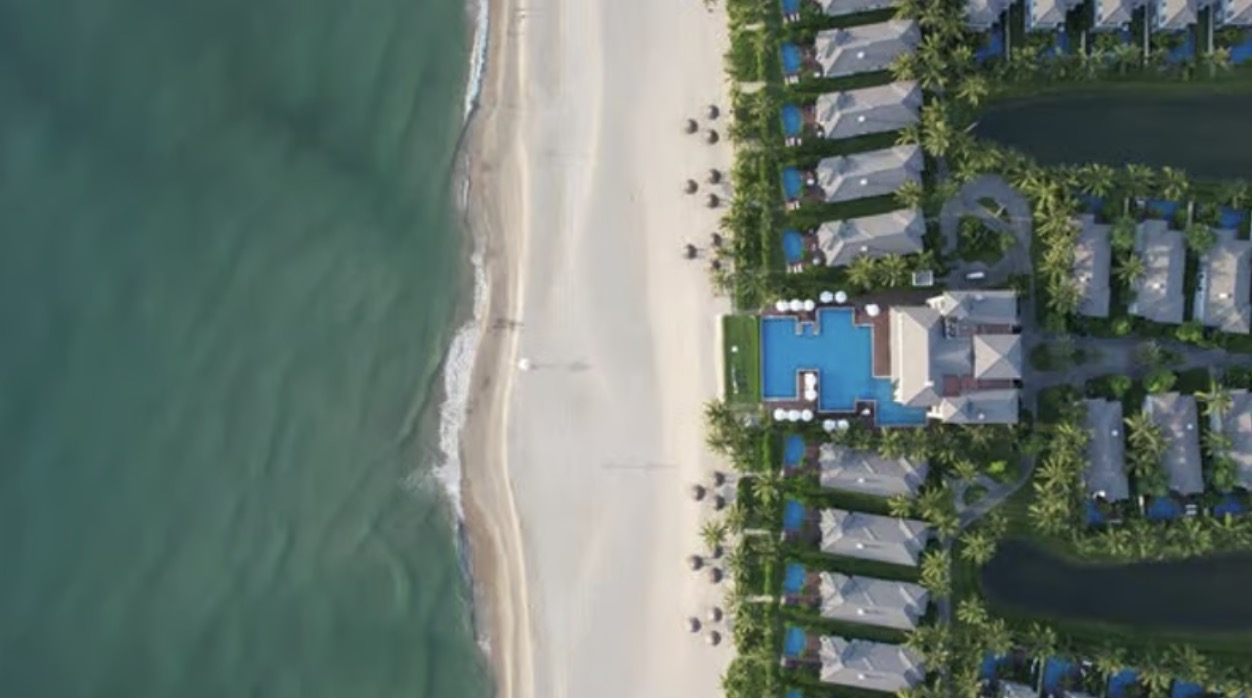
Da Nang coastline panorama showing My Khe Beach and city from above

Da Nang from above — 10km of beach to the west, Son Tra Peninsula to the north, and Marble Mountains visible on the southern horizon

Okay, so here's the thing about Da Nang that nobody tells you until you're already here: three days is genuinely enough to feel like you've seen the place — not just checked boxes, but actually absorbed it. The city is small enough that nothing feels like a mission. My Khe Beach, the Han River, the Marble Mountains, Son Tra — it's all 20 minutes apart by Grab. You're not going to spend your whole trip in a taxi.

The three days below are how I'd lay it out for a friend arriving fresh: Day 1 is the beach and the river — your arrival day if you fly in before noon. Day 2 is the Marble Mountains in the morning and Son Tra Peninsula in the afternoon — the two things that separate Da Nang from every other beach city in Vietnam. Day 3 is Hoi An, which deserves its own entry entirely (more on that below). If you score a fourth day, Ba Na Hills — the French colonial hillstation with the Golden Bridge — slides in perfectly between Days 2 and 3.

When to come: February through August is the sweet spot. Dry, warm, beachable. October especially can be rough — the northeast monsoon hits hard, Hoi An floods, and the Marble Mountains get slippery. Check the full weather guide if you're booking outside the dry season.


Day 1 — Beach, City & River

An arrival-day structure that doesn't require early starts: beach in the morning, city exploration in the afternoon, and Dragon Bridge at night.

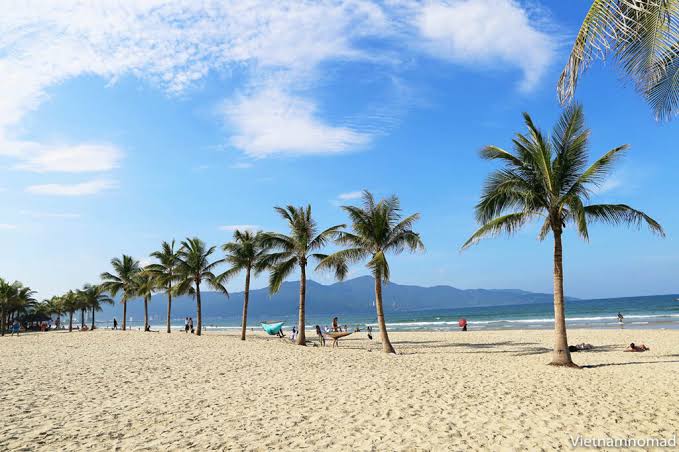
My Khe Beach Da Nang white sand and gentle surf in the morning

My Khe Beach — 10km of white sand, best swum between 6am and 10am before the afternoon wind picks up

Morning — My Khe Beach (6am–10am). Drop your bags and walk straight to the beach. Don't overthink it. My Khe is at its absolute best before the afternoon wind kicks in — calm water, almost no one out there, and the kind of light that makes you wonder why you ever lived anywhere else. The stretch between the Sheraton and the Hyatt is the cleanest section. Grab breakfast at one of the cà phê carts on Võ Nguyên Giáp — the main beach road. Vietnamese iced coffee for about 20,000 VND. You're welcome.

Afternoon — Hàn Market and the River (1pm–5pm). Grab over to Hàn Market (Chợ Hàn) — Da Nang's central covered market. Good for fabric, lacquerware, snacks, and just absorbing the city's actual rhythm for an hour. Then walk north along Bạch Đằng Street — the riverside promenade is genuinely lovely, colonial buildings on one side, the Han River on the other. If you still have energy before dinner, the Cham Sculpture Museum on Trưng Nữ Vương is a legitimate gem and only takes 45 minutes. World's largest collection of Cham artefacts. Most people skip it. Don't skip it.

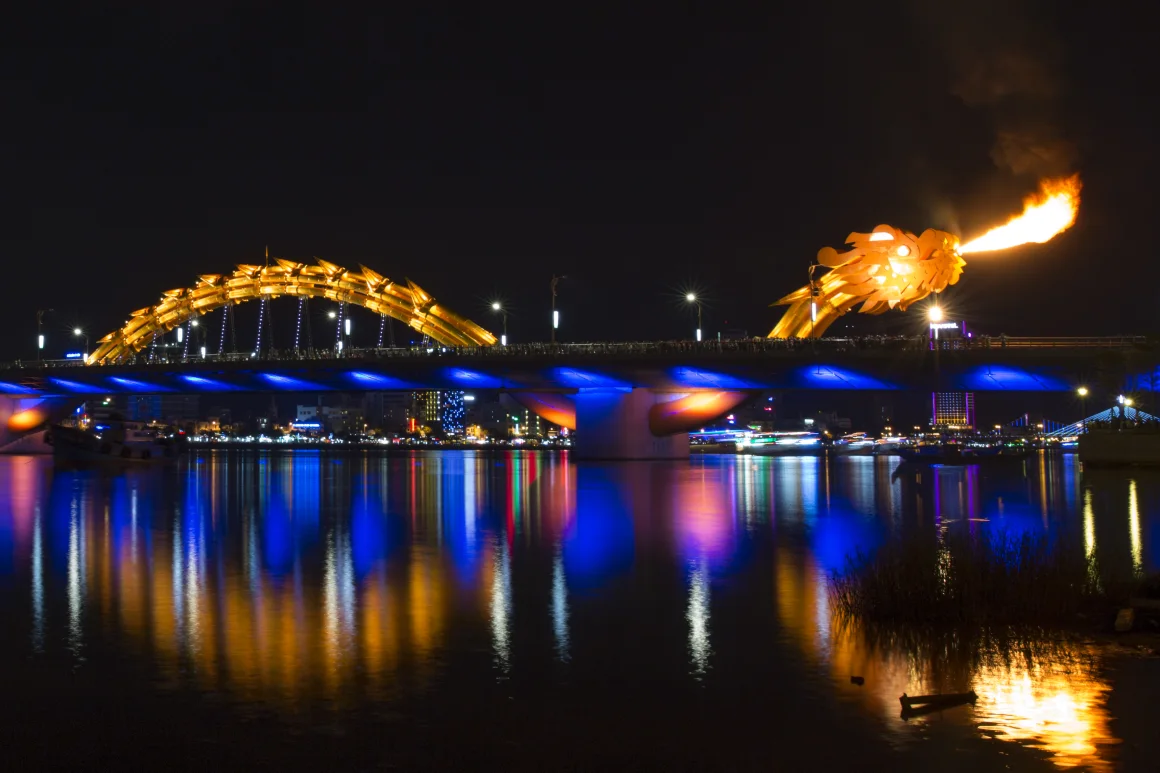
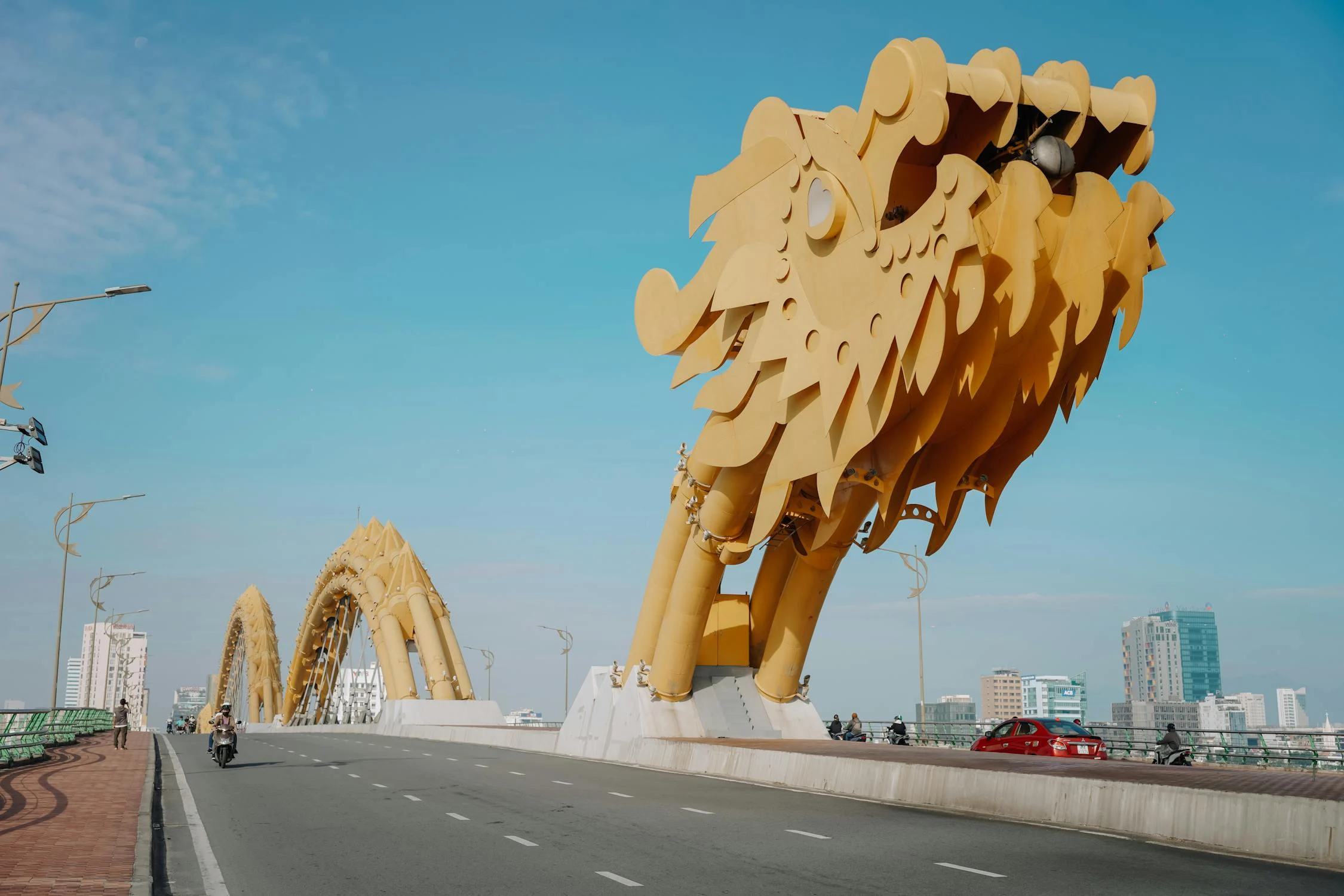
Evening — Dragon Bridge and dinner (6pm onwards). The Dragon Bridge breathes actual fire and water every Saturday and Sunday at 9pm. If you're there on a weekend, get to Waterfront Restaurant on Bạch Đằng by 7pm — river terrace, good food, perfect sightline. Weeknights are quieter on the promenade and honestly a bit nicer for dinner without the weekend crowds. Either way, Bạch Đằng at night is one of the better things this city does.

🚖 Transport Day 1

Airport to hotel: fixed-rate taxi (roughly $6–8) or Grab (usually $4–5). All Day 1 stops are within a 20-minute taxi or Grab ride of My Khe Beach hotels. The Grab app works throughout Da Nang — see the transport guide for pricing and tips.


Day 2 — Marble Mountains & Son Tra

Two things that make Da Nang unlike every other beach city in Vietnam — ancient limestone caves with Buddhist shrines carved right into the mountain, and a forested peninsula with a view that stops people mid-sentence.

Son Tra Peninsula Da Nang aerial view with Lady Buddha Linh Ung Pagoda and city skyline

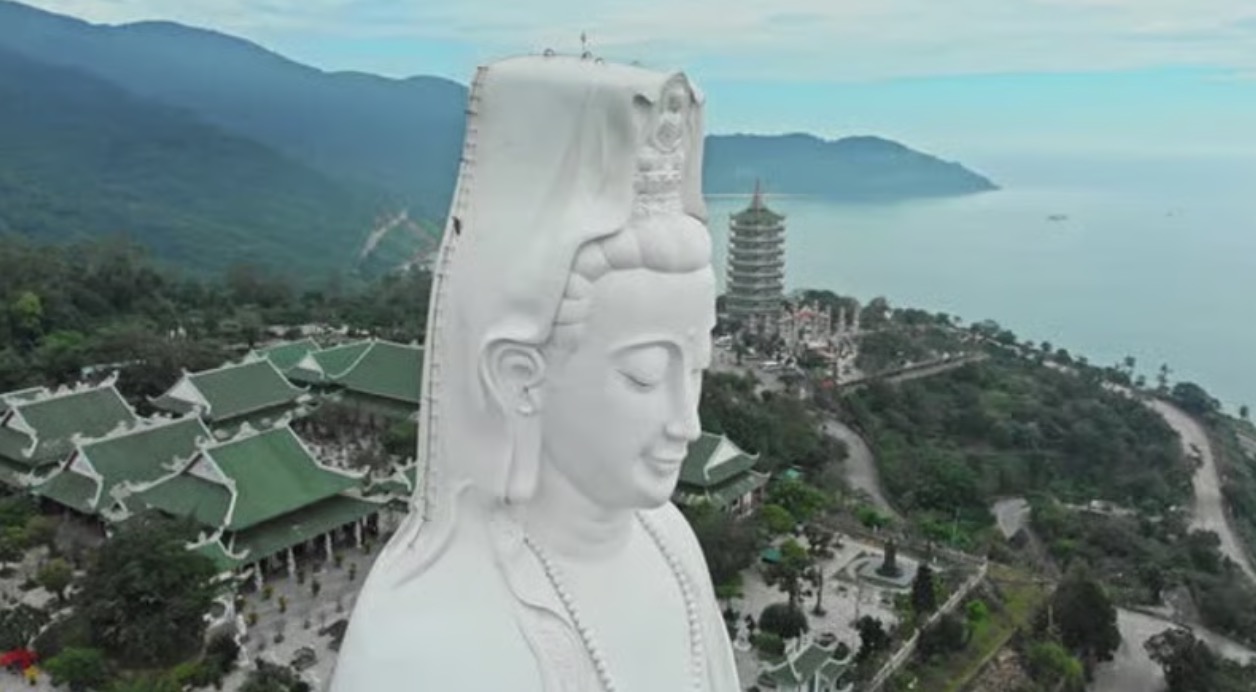
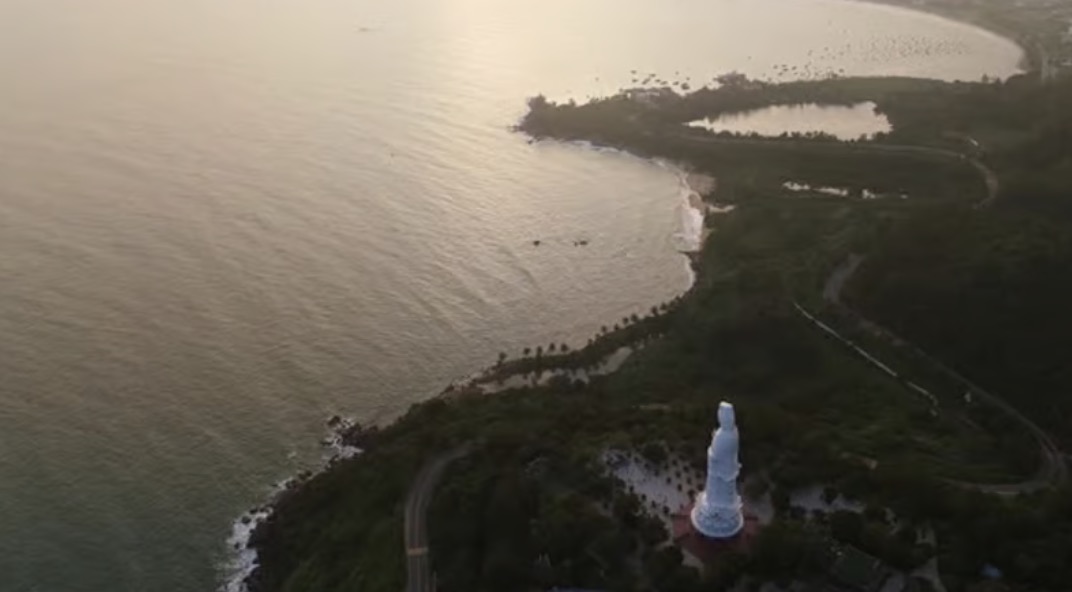
Son Tra Peninsula — the Lady Buddha of Linh Ứng Pagoda stands 67 metres tall above Da Nang Bay, visible from almost anywhere in the city

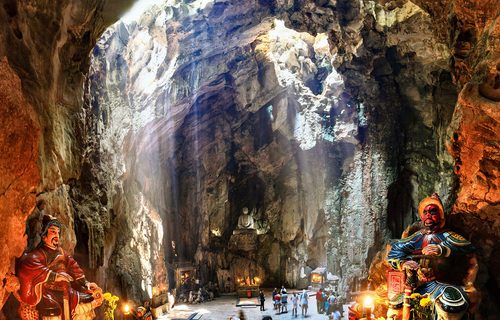
Morning — Marble Mountains (8am–11am). The Marble Mountains — Ngũ Hành Sơn — are five limestone karsts that just rise out of the flat coastal plain 9km south of the city. It sounds dramatic written down, but in person it's genuinely surreal. Inside the most accessible one, Thủy Sơn, there are two cave pagodas carved directly into the rock — Huyền Không and Tàng Chơn — with natural skylights that beam down onto Buddha carvings that have been there for centuries. Take the elevator up (20,000 VND) and walk back down at your own pace. Summit views are excellent — Non Nuoc Beach to the east, the Da Nang skyline to the north. Bring water, give yourself two hours, enter from the west side off Huyền Trân Công Chúa road.

Lunch — Non Nuoc Beach (11am–1pm). Non Nuoc Beach is right there on the east side of the Marble Mountains — quieter than My Khe, cleaner water in that section, and the open-air restaurants along the sand do fresh grilled whole fish with salt and chilli that's as good as anything you'll eat all trip. Swim, eat, sit for a while. You're doing this right.

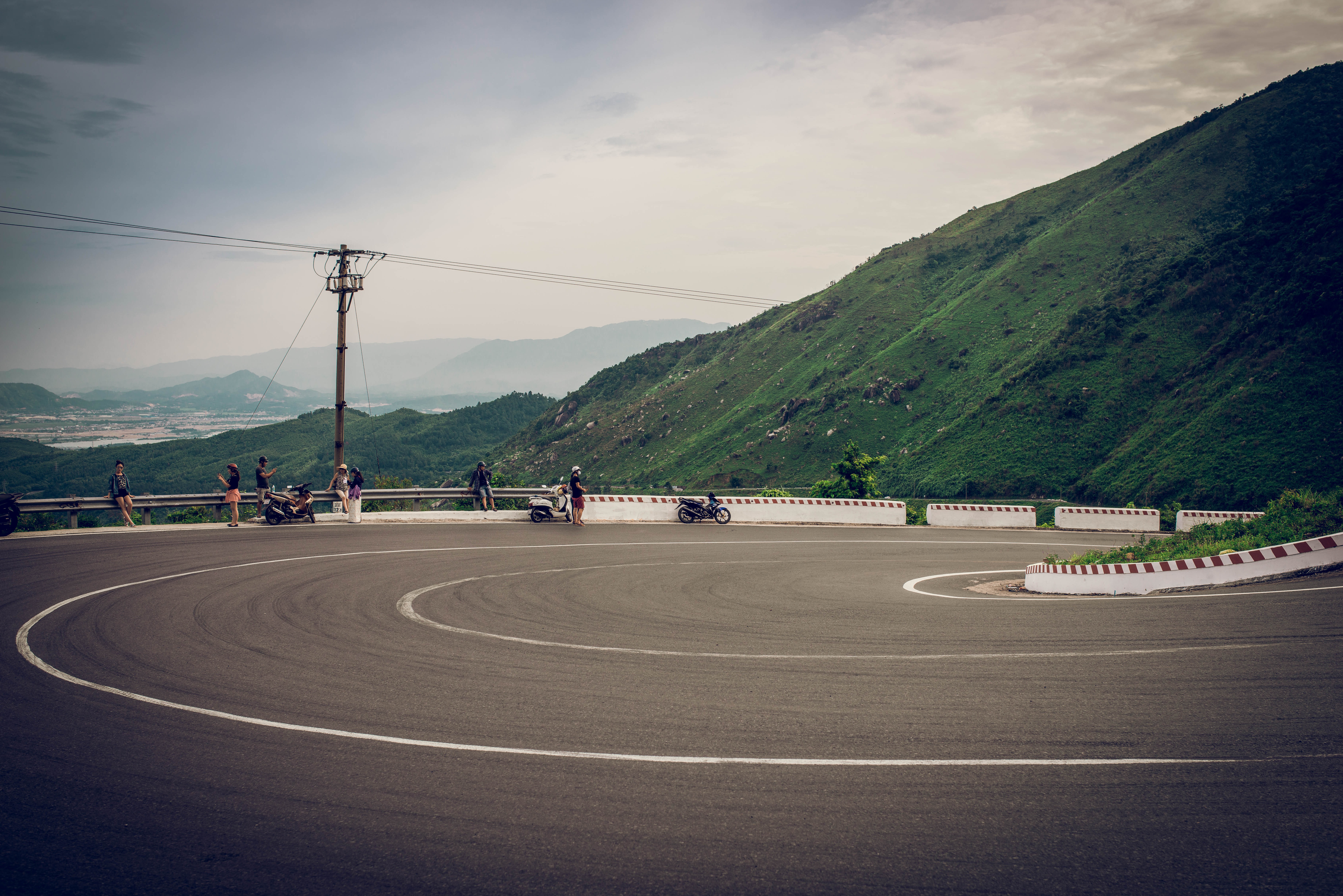
Afternoon — Son Tra Peninsula (2pm–6pm). Son Tra juts out into the sea 8km north of the city and climbs to 696 metres. The white Lady Buddha at Linh Ứng Pagoda is 67 metres tall and visible from almost everywhere in Da Nang — when you finally stand in front of it, the scale genuinely floors you. The road up winds through dense primary forest, and the views across Da Nang Bay from the top are the kind of thing you'll still be talking about. Keep an eye out for red-shanked doucs — they're rare primates that live in the forest up there, and late afternoon is when they tend to move. Grab from the city takes about 45 minutes.

Evening — An Thuong (7pm onwards). Come back to the An Thuong neighbourhood behind My Khe for dinner. This little grid of streets is the restaurant heartbeat of Da Nang — Vietnamese, Japanese, Korean, Western, all within walking distance. Madame Lan for bún bò Huế, Mì Quảng 1A for the city's namesake noodle dish — both are MICHELIN Bib Gourmand and both are a 10-minute walk from most beach hotels. See the full dining guide for the complete list.

📋 Day 2 logistics

Marble Mountains to Son Tra: Grab takes 35 minutes and costs around $5. You can also hire a motorbike ($8–12/day) and combine both stops in a single loop — Marble Mountains in the morning, back through the city, up Son Tra in the afternoon. See the transport guide for motorbike hire options and the Son Tra road conditions.


Day 3 — Hoi An

I'll be honest with you: Hoi An is the reason a lot of people keep coming back to this part of Vietnam. It's 30km south and genuinely unlike anything else you'll see on this trip.

Hoi An Ancient Town lanterns and yellow buildings reflected in the Thu Bon River at night

Hoi An at night — lanterns on the Thu Bồn River, the old town glowing yellow, boats drifting by. It's exactly as beautiful as it looks.

Getting there. Grab from Da Nang to Hoi An is $12–15 and takes about 45 minutes. Negotiate a fixed return — $20–24 for the round trip with a 5–6 hour wait is standard. No bus worth taking if you're day-tripping. Leave Da Nang by 8:30am and you'll beat the worst of the tour groups.

Morning — Ancient Town (9am–12pm). The Ancient Town is a compact grid of 15th–19th century merchant houses, Chinese assembly halls, a Japanese covered bridge, and tailoring shops — all along the Thu Bồn River. Get the combined ticket (120,000 VND) for five heritage sites: the Japanese Covered Bridge, Phùng Hưng Old House, Tấn Ký Old House, Quan Công Temple, the Fujian Assembly Hall. Walk the streets before 11am while it's still cool and manageable. And budget time to just wander — the best stuff in Hoi An isn't always the ticketed stuff.

Lunch — World-class food hiding in plain sight (12pm–2pm). This is where Hoi An catches people off guard. What looks like grab-and-go street food and fast-casual lunch spots is actually some of the best eating in Vietnam. Bánh Mì Phượng at 2B Phan Châu Trinh is the one you've seen on every list — there's a queue, it's worth it, arrive by noon. Try the cao lầu — thick noodles with pork and greens, made with water drawn from Hoi An's ancient wells. You genuinely cannot get this anywhere else on earth. And if you haven't had avocado coffee yet, today is the day. You will be absolutely floored. It sounds strange. Order it anyway. Shopping is everywhere and it's good — lacquerware, lanterns, tailor-made clothes if you have a day to spare. But honestly just wander and eat.

Afternoon — An Bàng Beach (2pm–5pm). Rent a bicycle from your guesthouse or any shop in the old town (50,000 VND for the day) and ride out to An Bàng Beach — 5km from the Ancient Town. It's quieter than Cửa Đại, the water is cleaner, and there's a row of low-key beach bars perfect for a swim and a cold Huda before heading back.

About Hoi An at night — and why it matters. If there is one thing I want you to take away from this entire guide, it's this: stay until dark if you possibly can. Hoi An at night is something else entirely. The lanterns come out, the river reflects the old town in gold and amber, boats drift past with floating candles — it's the kind of scene you see on Instagram a hundred times and then stand inside it and have to pinch yourself. It is a slice of absolute heaven, and knowing it exists in the world genuinely warms your heart. This is one of the last truly untouched places of its kind. Pace yourself in there. Take it all in slowly. Be kind to the locals of this ancient city — they've been sharing it with visitors for centuries and deserve your respect. And please, take pictures. Lots of them. You'll want them.

Return to Da Nang. Head back by 7–8pm along the coastal road. Dinner in Da Nang if you're still hungry — An Thuong or Bạch Đằng, 20 minutes from My Khe.

🗓 Optional: 4th day — Ba Na Hills

If you have a fourth day, Ba Na Hills — a French colonial mountain station at 1,500m with the famous Golden Bridge — is a logical extension. Cable car ascent takes 20 minutes from the base station. The complex is 25km west of Da Nang; a full visit needs 6–7 hours. Best visited on a weekday to avoid weekend domestic tourist crowds.


Before You Go

Currency. Vietnam Dong (VND). ATMs are widely available on My Khe Beach road and throughout Hải Châu district. Most tourist restaurants accept USD and card. Street food and markets are cash-only. Daily budget: $40–60 covers accommodation (mid-range), three meals, and transport if you use Grab throughout.

SIM card. Buy a Viettel or Vietnamobile SIM at Da Nang Airport arrivals — 30-day data plans cost $5–8. Grab requires a local or registered SIM for payment in some configurations; having a local number avoids friction. See the digital nomad guide for SIM card options and carrier comparison.

Transport. Grab (Vietnam's Uber equivalent) is reliable, cheap, and works from the airport. Motorbike hire ($8–12/day) makes Day 2 significantly more flexible. Hoi An is best done with a pre-arranged driver rather than Grab, as surge pricing on the return can make it expensive. Full breakdown in the transport guide.

Weather. This itinerary works best in the dry season (February–August). Ocean swimming is safe year-round in the dry season; typhoon season (October–November) can bring closures. The weather by month guide covers sea conditions, rainfall, and the best window for each activity.


Hotels for This Itinerary

For this three-day itinerary, My Khe Beach hotels give the best base — you're within walking distance of Day 1's beach morning, and 20–30 minutes by Grab from every other stop. The An Thuong restaurant strip is directly behind most My Khe properties.

The InterContinental Sun Peninsula on Son Tra Peninsula makes Day 2's visit seamless — you're already on-site for Linh Ứng Pagoda — but adds 20 minutes of transit to the Marble Mountains and city. See the luxury hotels guide for a full review.

For Hoi An overnights: if you want to spend two nights in Hoi An and Day 3 in Da Nang instead, that works equally well. The where to stay guide covers Da Nang's neighbourhoods in detail; for hotel rankings, best hotels in Da Nang covers all categories and price points.

Ready to book your Da Nang hotel?

Search live availability for the exact dates of your trip. Most My Khe Beach properties are within 20 minutes of every stop in this itinerary.

Search Da Nang hotels →