Quick answer: Da Nang is walkable within neighbourhoods but not between them. Han River and city centre: very walkable. My Khe central (An Thuong area): walkable for beach and restaurants. Non Nuoc resort zone: not walkable at all - you need Grab for everything. Where you stay determines whether Da Nang feels like a walkable city or not.

Transport · Da Nang Guide · 2026

Is Da Nang Walkable?

The honest breakdown of walkability across Da Nang's main areas - where it works, where it does not, and what that means for choosing where to stay.

✎ Written by Ryan Yousefi · 📅 Last updated: May 2026 · ⏰ 7-min read

Area-by-Area Walkability Breakdown

Local Reality Check
The honest answer depends entirely on where you are staying. My Khe Beach hotel strip? Very walkable. City centre near Han River? Partially walkable. Non Nuoc resort area? Not walkable - you need Grab for everything.

The answer to "is Da Nang walkable" is almost entirely determined by which part of Da Nang you are asking about. The city is long and spread out along a coast. Some neighbourhoods are dense and walkable; others are resort zones with nothing within walking distance. Here is the honest breakdown.

8 / 10

Han River / City Centre

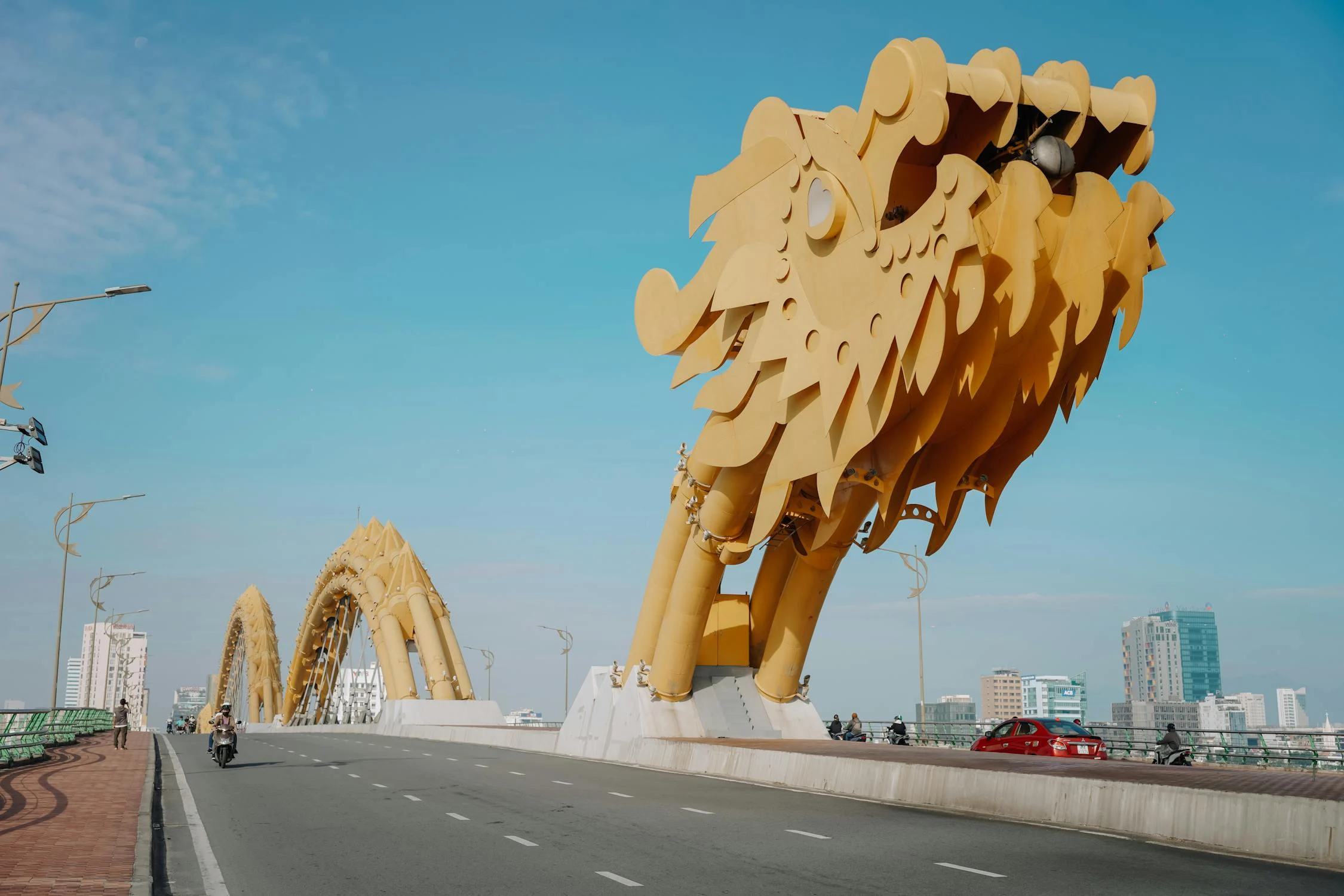
The most walkable part of Da Nang. Con Market, Han Market, Bach Dang riverside, Dragon Bridge, and a dense cluster of restaurants and cafes are all within 1-2km of each other. You can easily spend an evening covering significant ground on foot. The footpaths along the riverfront are well-maintained and lit. This is a genuine walking neighbourhood. The limitation: the beach is 3-4km east - a 40-minute walk in the heat, or a $2 Grab.

7 / 10

Central My Khe / An Thuong Area

The best all-around base for most visitors. Beach access is on foot (2-3 minutes). An Thuong street has a dense strip of restaurants, cafes, and shops all walkable from beach hotels in this zone. Evening dining, morning beach, afternoon coffee - all no transport required. For anything further - Marble Mountains, Marble Mountains, Son Tra, city centre - you need Grab. Those journeys cost $2-5 and take 10-15 minutes, making the non-walkable parts very manageable.

4 / 10

North My Khe

The beach itself is accessible on foot from hotels in this zone. That is the extent of walkability. There is no concentrated restaurant strip, no cafe cluster, and no neighbourhood infrastructure. You are walking to the beach and back to your hotel. For everything else - food, drink, transport - you need Grab or your hotel facilities. Some newer hotels have their own cafes and restaurants, which helps, but you are largely dependent on in-hotel options if you do not want to Grab every time you want a meal.

2 / 10

Non Nuoc Resort Zone

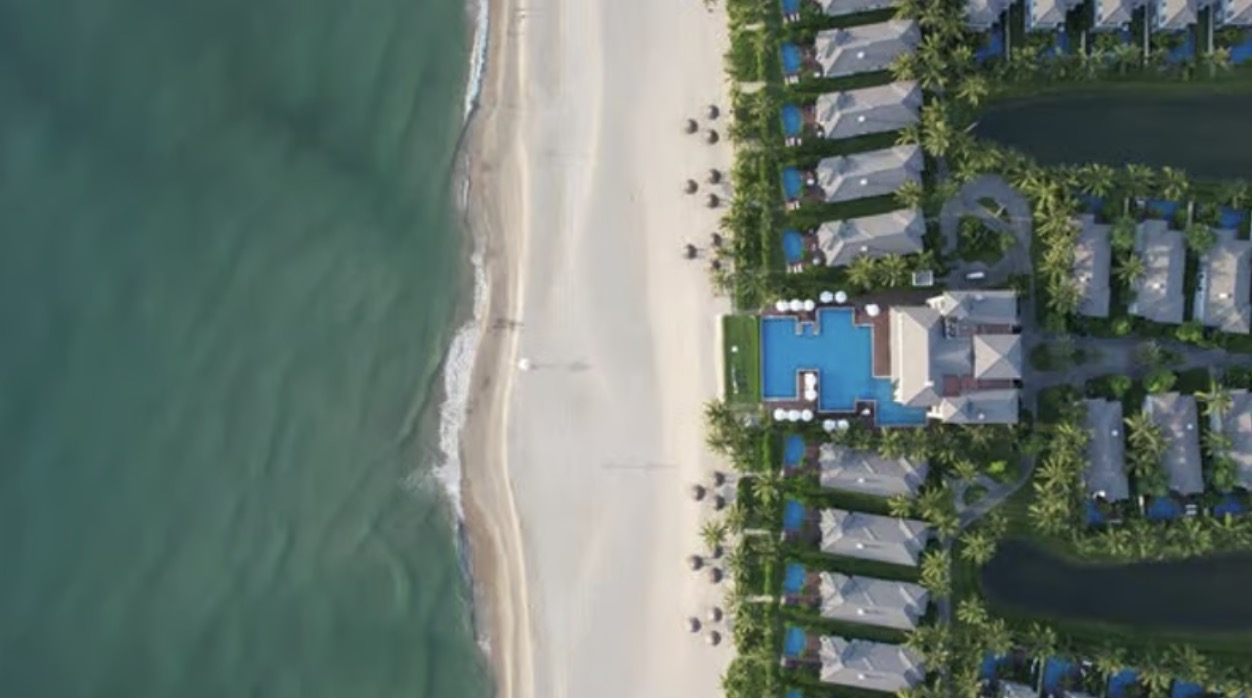
Non Nuoc is a self-contained resort zone with essentially no walkable infrastructure outside the individual resort properties. Naman Retreat, Fusion Maia, Premier Village, and the other resorts in this zone all have their own restaurants, pools, and beach access. But if you want to go anywhere beyond your resort - a market, a different restaurant, the Marble Mountains (5 minutes by Grab), the city - you are in a Grab. There are no cafes, no mini-markets, no street food on foot. If the resort is the entire point of your trip, Non Nuoc works. If you want neighbourhood access, it does not.

1 / 10

Son Tra Peninsula

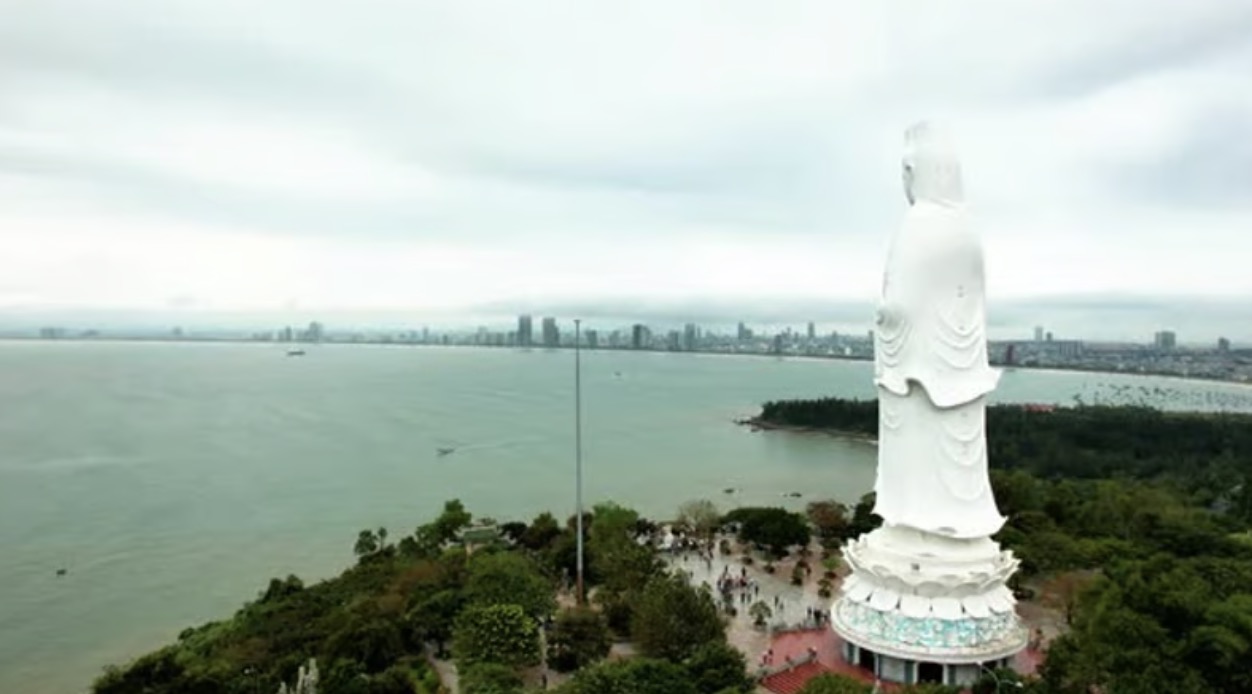
Son Tra is a jungle-covered peninsula. The InterContinental resort is up on the cliffside with funicular access. The Lady Buddha / Linh Ung Pagoda is a destination you Grab to and from. Walking anywhere on Son Tra beyond the immediate resort grounds requires a motorbike or car - the roads are steep, winding jungle tracks with no footpath infrastructure. If you stay at the InterContinental, walkability within the resort is fine. Everything else requires motorised transport.

An Thuong / My Khe strip: Very walkable Han River / Bach Dang: Walkable riverside City centre / Con Market: Walkable with heat caution Non Nuoc Beach: Not walkable - Grab required Ba Na Hills / Marble Mountains: Definitely not walkable
"An Thuong is one of those streets that makes you feel like a neighbourhood regular within 48 hours. Coffee shop on the corner, same table every morning, the banh mi cart at 7am. It rewards walking."
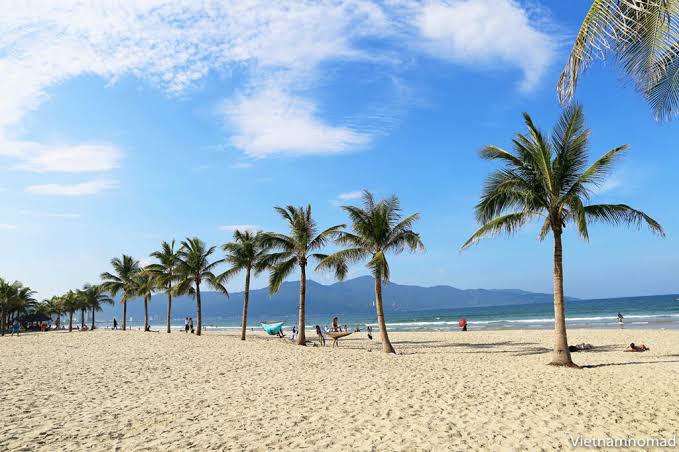
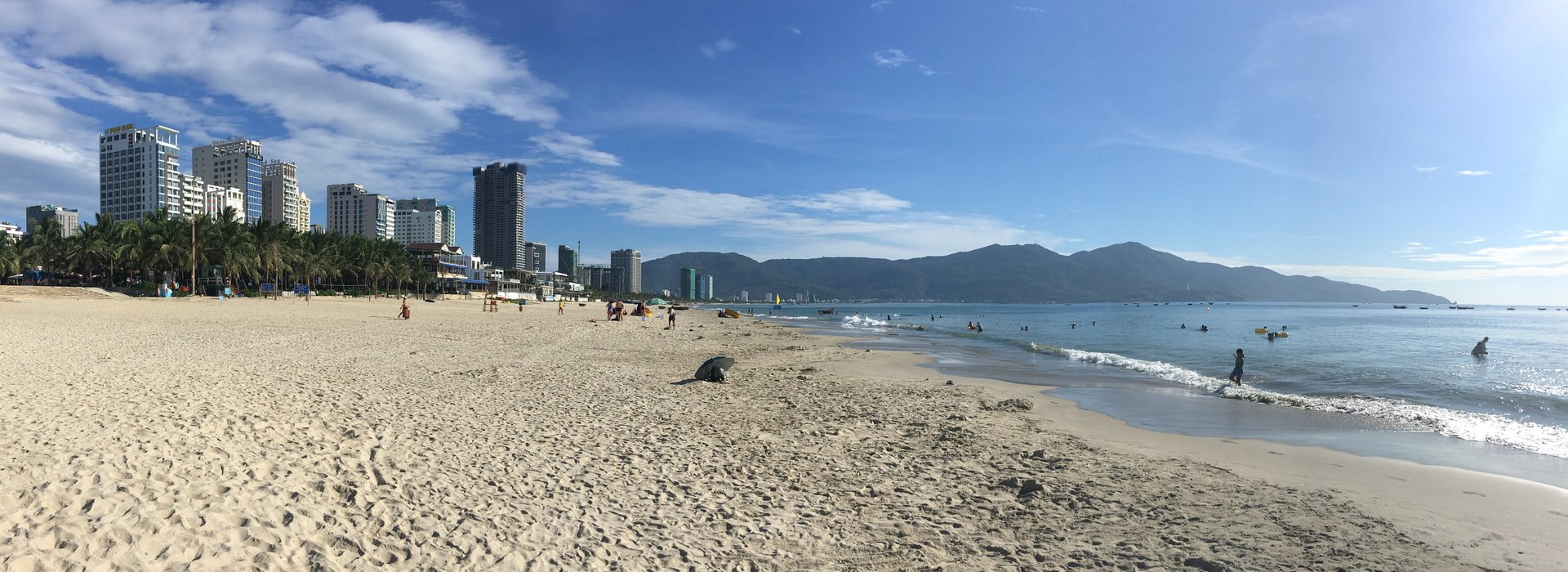
Da Nang beach promenade pedestrian walkway morning

The key takeaway: Pick your base based on what you actually want to walk to. If you want to walk to the beach and restaurants daily without needing transport, An Thuong / central My Khe is your answer. If you want to walk to city sights and the riverside, stay near the Han River. If neither of those matters because you are in a high-end resort for a beach-and-spa trip, Non Nuoc works fine.

The Heat Reality: Walk Early or Late

Da Nang's walkability is also a function of when you walk, not just where. In the dry season (roughly February to August), temperatures hit 33-37°C with significant humidity by midday. Walking in this heat is genuinely uncomfortable and potentially dangerous for extended periods without shade.

When to walk: Before 10am and after 5pm. Morning beach walks, early morning market visits, and evening restaurant strolls are all pleasant. The air is cooler, the light is better, and the streets are more comfortable. Most experienced Da Nang visitors structure their days around this rhythm automatically.

When not to walk: Noon to 4pm. This is the peak heat window. If you are outdoors doing walking-heavy activities in this window, you will feel it. Midday Grab rides are $2-3 - not worth the alternative.

Footpath consistency: Footpaths in Da Nang vary considerably. The Han River riverside and main streets in the city centre have well-maintained wide footpaths. Some stretches in My Khe and parts of the city have narrower, inconsistent, or motorbike-occupied footpaths. This is standard for Vietnamese cities. Walking on the road itself is sometimes the practical option on quieter streets.

Crossing roads: Da Nang traffic follows the same flow logic as other Vietnamese cities - motorbikes do not stop for pedestrians, you walk at a steady pace into the flow and the traffic moves around you. Hesitating mid-crossing is worse than walking through steadily. If you have done this in Hanoi or Ho Chi Minh City it is the same principle, though Da Nang traffic is considerably lighter than either of those cities.

Summer heat warning: May through August is genuinely hot. 35°C+ with humidity is not unusual. Heat exhaustion risk is real for extended outdoor activity in the middle of the day. Carry water, use sunscreen, and do the main walking activity before 10am or after 5pm.

Timing Matters Here
Walking Da Nang between 11am and 4pm from May through September is punishing. Temperature and humidity hit 35-38°C during peak afternoon. Plan outdoor walking for early morning (7-10am) or early evening (5-7pm). Everything else, take Grab.

Grab Makes Non-Walkable Areas Workable

The practical reality of Da Nang transport: Grab is cheap, fast, and reliable enough that the non-walkable parts of the city are not actually a problem. Where an area scores 2/10 on walkability, a $3 Grab ride turns it into a non-issue.

If you are used to cities where you have to choose between an expensive taxi or an unreliable bus, Da Nang's Grab situation is genuinely comfortable. The app works. Drivers accept jobs quickly. Prices are fixed. For $15-20 per day you can cover the entire city with Grab and not feel the walkability limitations at all.

Non Nuoc resort guests who want to explore will Grab to Marble Mountains in the morning ($3-4), spend a few hours, and Grab back. Then Grab to the Han Market in the evening ($7-8) for an hour, and Grab back. Total transport cost: $20-25 for a full active day. That is not a barrier.

Full details on the Da Nang Grab guide page - including how to set up the app, typical prices for common routes, and tips for using it effectively.

For Digital Nomads: Best Walkable Base

If you are working remotely and walkability is a genuine priority - you want to walk to coffee shops, walk to lunch, walk to the beach - the An Thuong area on My Khe beach is the answer.

Within about 400-500 metres of most hotels in this zone, you have: multiple coffee shops with reliable wifi (Cong Caphe, local independents), beach access, a full restaurant strip (An Thuong food street), convenience stores, and the general infrastructure of a neighbourhood that caters to international visitors. You can work from cafes, walk to the beach at lunch, have dinner at a restaurant on the same street, and not get into a vehicle all day.

The Han River city centre is the second option. More coffee shops, more bookstores and small businesses, the riverfront for evening walks. The limitation is the beach is a Grab ride away (10 minutes, $2-3) rather than on foot. For nomads where beach access is a daily routine rather than occasional, this matters.

Non Nuoc is a poor nomad base precisely because of walkability. The resort compounds have coffee but not the variety or the independent cafe culture that nomads typically want. You can make it work but you are adding Grabs to every coffee run, which adds up in both cost and friction over a multi-week stay.

Local Perspective

Ryan's Take: How I Actually Get Around

I live in the An Thuong area and I walk for about 80% of what I need day-to-day. Beach is 3 minutes. My regular coffee shop is 5 minutes. The restaurants I eat at most often are all walkable. For everything beyond the immediate neighbourhood - city markets, Marble Mountains, the riverfront - I use Grab.

The thing I would tell first-time visitors: Da Nang is not Bangkok or Hanoi where you can walk into a different world every 15 minutes. It is a beach city built around the coast. The walkable zones are pleasant and well-serviced, but they are finite. You will use Grab more here than in a compact city like Hoi An. That is fine - it is cheap and it works - but set expectations accordingly.

For the question of where to stay: if walking matters to you, An Thuong is genuinely the right answer. It is not the most glamorous part of Da Nang but it is the most functional base for someone who wants to reduce transport dependency. The luxury resort zone at Non Nuoc is beautiful but entirely Grab-dependent outside the resort gates.

Find a walkable hotel in Da Nang

Compare hotels in the An Thuong and My Khe area - the most walkable base for visitors who want beach access and neighbourhood options without Grab for every errand.

Search Hotels in Da Nang →

Affiliate disclosure: we earn a small commission when you book via our links, at no extra cost to you.

Common Questions

Da Nang Walkability: FAQ

Is Da Nang good for walking?+

Within specific neighbourhoods, yes. The Han River city centre and the An Thuong strip at My Khe beach are genuinely walkable - restaurants, cafes, the beach, and shops all accessible on foot. Between neighbourhoods, you need Grab. Da Nang is a spread-out coastal city, not a compact old town. Manage expectations accordingly and it works well.

Can you walk from Da Nang city to the beach?+

Technically yes - it is about 3-4km from the Han River to My Khe beach, roughly 40 minutes on foot. Practically, most people use Grab for this route. It costs $2-3 and takes 10 minutes. In summer heat, walking that distance at midday is not comfortable. Early morning or evening the walk is feasible and pleasant along the Tran Phu road.

Is My Khe Beach walkable from Da Nang city center?+

My Khe beach is roughly 3-4km from the Han River area. It is walkable in terms of distance but involves crossing several busy roads and takes 40-45 minutes. In peak summer heat this is not practical for daily use. Grab for this journey costs $2-3 and takes 10 minutes. If walkability between the city and beach is a priority, consider hotels in the My Khe area itself rather than the city centre.

Is Non Nuoc beach walkable?+

The beach itself, yes - you can walk along the sand from your resort. The surrounding area, no. Non Nuoc is a resort zone with no neighbourhood walkability. Restaurants, markets, cafes beyond the resort, and any Da Nang city activity all require Grab. It is a 2/10 on walkability for daily convenience. Excellent for a self-contained beach resort stay, poor for anyone who wants to wander on foot.

Is Da Nang walkable for digital nomads?+

The An Thuong area on My Khe beach is the best walkable nomad base. Coffee shops, beach access, and restaurants are all walkable from most hotels in that zone. The Han River city centre works if you prefer urban density and do not mind Grabbing to the beach. Non Nuoc is not a realistic nomad base - the self-contained resort environment does not match the variety of workspace and neighbourhood access that most remote workers want. See the where to stay guide for more detail.

How hot is it to walk in Da Nang?+

In summer (May to August), 34-37°C with high humidity is typical from around 10am to 5pm. Early morning and evening walking is comfortable. Midday walking is genuinely unpleasant and risks heat exhaustion for extended exposure. Shade on Da Nang footpaths is inconsistent. Carry water, wear sun protection, and schedule walking activity before 10am or after 5pm for best results.

More Da Nang Guides