Quick answer: Stay on My Khe Beach. Download Grab before you land.
Get a local SIM at the airport. Eat street food.
Do the Hoi An day trip. Budget $50-80/day for a comfortable trip.
Da Nang is easy, one of the best entry points in Vietnam for first-timers.
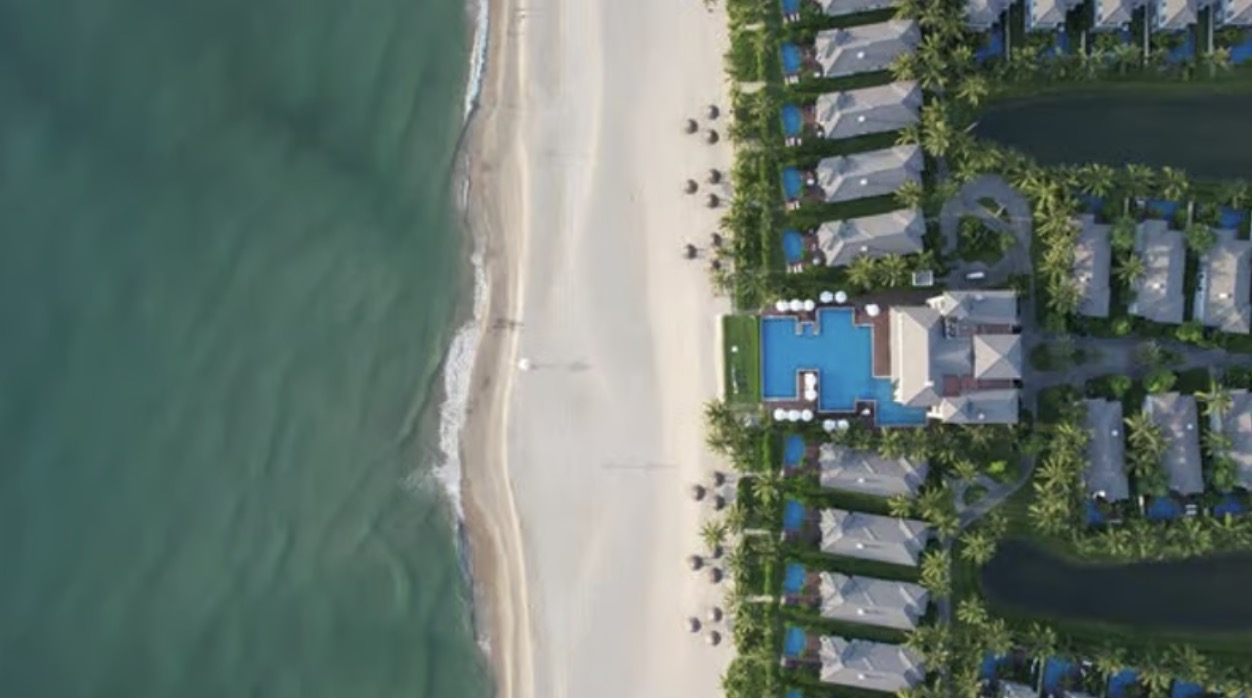
Travel Guide · Da Nang · 2026
Da Nang First-Time Travel Guide 2026
Everything a first-time visitor needs to know before arriving in Da Nang, from a local who's seen every mistake in the book.
When to Go to Da Nang
Da Nang has two seasons and the difference is significant. Getting the timing right makes a substantial difference to the experience.
Best Time: March to May
March through May is the sweet spot. Weather is consistently hot and dry (28-34C / 82-93F), the sea is calm and clear, hotel rates are lower than peak summer, and the city is busy but not overwhelmed.
May in particular has excellent weather before the June-August heat peak, with hotels discounting 20-30% below summer rates. This is when I recommend visiting if you have any flexibility.
Peak Season: June to August
Hot, dry, and popular. June through August is when Vietnamese domestic tourism peaks alongside international arrivals.
The beach is genuinely gorgeous but crowded on weekends. Hotels are at full price and sometimes sold out weeks in advance for the better properties.
The Da Nang International Fireworks Festival (DIFF) runs on selected weekends from late April through June, bringing additional visitors and surge pricing on those specific dates.
Shoulder Season: September to November
October and November bring significant rainfall and occasional flooding. Some years are mild; some see real disruption.
Lower prices, fewer crowds, but real weather risk. September is often fine - it is the tail end of summer before the rains arrive in earnest.
If you are price-sensitive and flexible about activity days, September-October can work well with appropriate expectations.
Cooler Season: December to February
Cooler and occasionally rainy, with December being one of the wetter months. Temperatures drop to 18-24C (64-75F) at night.
Christmas and New Year see prices spike. February (around Tet) sees the city transform with decorations and then go quiet as locals leave for the holidays - a strange but interesting time to visit.
By mid-February the weather is improving and crowds are thinning.
Where to Stay in Da Nang
The core choice for first-timers is beach vs city. The answer for most people is beach, but there are trade-offs worth understanding.
My Khe Beach (Best for Most First-Timers)
My Khe Beach is Da Nang's main tourist strip - a 10km stretch of white sand with hotels ranging from guesthouses at $15/night to 5-star resorts at $300+. The An Thuong neighbourhood one block inland has the best concentration of mid-range dining and bars.
Staying on My Khe puts you on the beach, within 10-15 minutes of the airport by Grab, and within 20-30 minutes of the city centre. It is the logical base for beach-focused visits.
Non Nuoc Beach (Resort Zone)
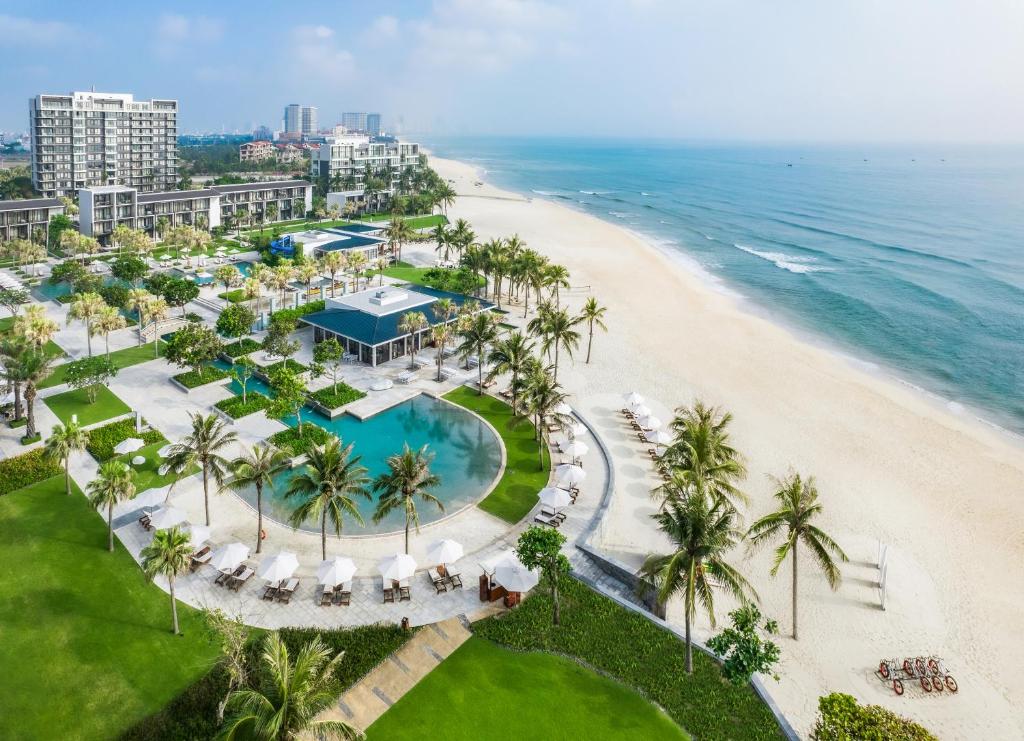
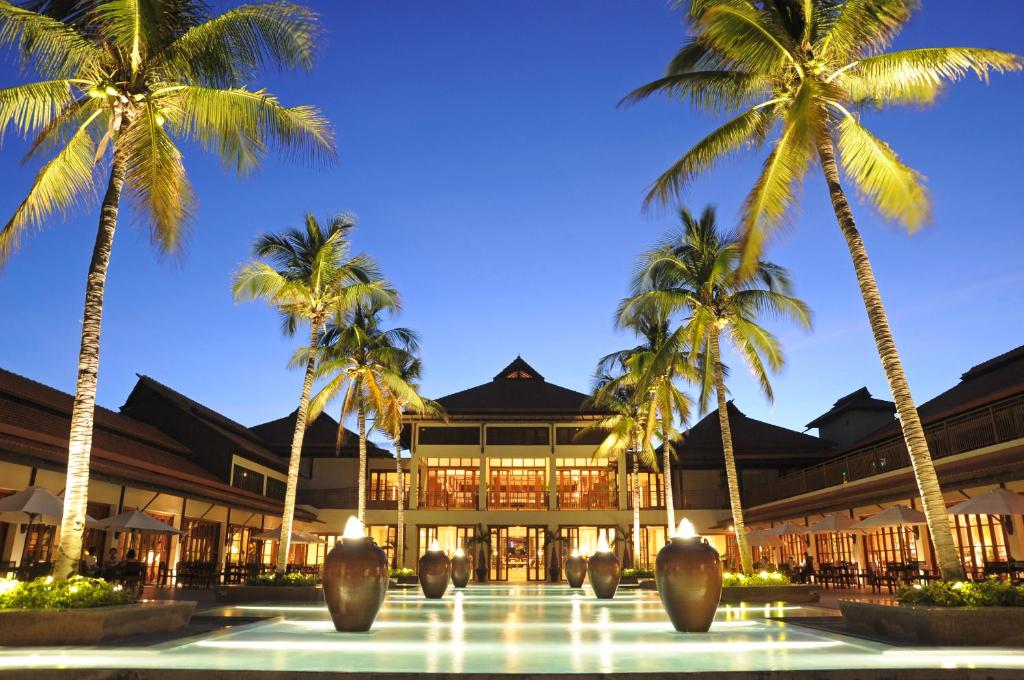
Further south, Non Nuoc Beach is more resort-oriented. This is where Naman Retreat, Furama, Hyatt Regency, and similar luxury properties are concentrated.
It is quieter than My Khe, further from the city centre (30 minutes by Grab), and better for a resort-style stay. Marble Mountains are within a 5-10 minute Grab from here.
City Centre (Han River Area)
Staying in central Da Nang near the Han River gives you easy access to restaurants, nightlife, Han Market, and the Dragon Bridge, but puts you 10-15 minutes from the beach by Grab. Some budget hotels here are significantly cheaper than equivalent quality on the beach strip.
Worth considering if beach access is secondary to urban exploration and budget is tight.
Booking tip: Book accommodation with free cancellation where possible - Da Nang's weather variability (especially September-November) means trip adjustments are not uncommon. Booking.com has the widest selection and most reliable cancellation policies for Da Nang properties at all budget levels.
Getting Around Da Nang
Transport in Da Nang is genuinely simple for first-timers once you have Grab set up.
Grab - Download Before You Land
Grab is the default transport option for tourists in Da Nang. Set up the app and account before you land - you need a working phone number (your international number works) and optionally a payment method.
A Grab from the airport to My Khe Beach costs $4-6 USD and takes 10-15 minutes. Within the beach strip, most hops cost $1-3 by GrabBike or $2-4 by GrabCar.
See the Da Nang Grab Guide for full details on prices and tips.
Getting Data
You need data for Grab, Google Maps, and Google Translate from the moment you land. The easiest route is installing an eSIM before you fly, so your phone connects the second you're through arrivals — see the eSIM & Airalo guide for how.
Prefer a physical SIM? Viettel and Vinaphone both sell tourist SIM cards at the airport for around 100,000-200,000 VND ($4-8) including 5-10GB of data valid for 30 days.
Walking
The My Khe Beach strip is walkable along the beachfront promenade. The An Thuong area and neighbouring restaurants are a short walk from most beach hotels.
City centre landmarks like the Dragon Bridge and Han Market are best reached by Grab rather than walked from the beach - the distance is manageable but heat and traffic make it unpleasant.
Motorbike Rental
Renting a motorbike opens up Da Nang significantly - Son Tra Peninsula coastal road, the Hai Van Pass, and beachside exploration all work better on your own schedule. Rental runs $6-10 per day.
Requires a valid driving license (international permit recommended). Good option for visitors staying a week or more who are comfortable in traffic.

What to Eat in Da Nang
Da Nang is in central Vietnam - the food is distinct from northern Vietnamese cuisine (Hanoi) and southern (Ho Chi Minh City). The regional specialties are genuinely worth seeking out.
Regional Specialties to Try
Mi Quang - the signature noodle dish of central Vietnam. Turmeric-yellow noodles with shrimp, pork, peanuts, crispy rice crackers, and a small amount of rich broth.
Served at room temperature. 35,000-55,000 VND at local stalls. This is the dish to eat in Da Nang.
Banh xeo - sizzling Vietnamese crepes filled with shrimp, pork, and bean sprouts, eaten wrapped in rice paper with fresh herbs. 60,000-120,000 VND per portion. Excellent at street stalls around Con Market in the evenings.
Bun cha ca - fish cake noodle soup unique to Da Nang. Light broth with fish cakes, noodles, and vegetables. 30,000-50,000 VND.
Find it at local breakfast stalls and lunch spots.
Banh mi - Vietnam's French-influenced sandwich. Da Nang's version is excellent.
Look for well-reviewed spots with queues of locals. 20,000-30,000 VND for a fully loaded banh mi.
Ca phe sua da - Vietnamese iced coffee with sweetened condensed milk. Order this everywhere. 15,000-25,000 VND at street cafes.
This is one of the genuinely transformative food experiences of Vietnam.
Where to Eat
For the most authentic and cheapest food: local stalls on side streets, the Con Market perimeter in the evenings, and small family restaurants away from the main beach strip. For a mid-range experience with English menus: An Thuong strip and the streets immediately behind the beach.
For a nice dinner: beachfront restaurants along Vo Nguyen Giap Street or the Han River area for atmosphere.
Top 5 Things to Do in Da Nang
1. My Khe Beach
The obvious one but genuinely worth extended time. My Khe is a 10km stretch of clean, white sand with clear water most of the year.
Swim in the morning before the heat peaks, then find shade and eat from a beach vendor. The beach is clean, well-maintained, and lifeguarded.
Entry is free. Red flags mean no swimming - take them seriously, Da Nang's surf can be genuinely strong during rough conditions.
2. Dragon Bridge on a Weekend Night
The Dragon Bridge (Cau Rong) spanning the Han River breathes fire and water on weekend nights at 9pm. It is kitsch and spectacular.
Stand on the riverbank with a street food snack, watch the show, then eat pho at a nearby stall. The bridge is walkable from the Han River area.
Saturday night is the most crowded - arrive by 8:30pm for a decent spot.
3. Marble Mountains
Five marble and limestone hills south of the city, riddled with caves, temples, and pagodas. The views from the top are excellent.
A full visit takes 2-3 hours. Bring covered shoulders and knees for the temples, wear shoes you can take off easily, and go early morning to beat the heat.
Entry 40,000-80,000 VND. A GrabCar from My Khe Beach takes 20-25 minutes and costs $5-7.
4. Son Tra Peninsula
A mountain peninsula rising from the sea north of the city, Son Tra has a coastal road with dramatic views, wild monkeys (red-shanked douc langurs), and the Linh Ung Pagoda with its 67-metre Lady Buddha statue. Rent a motorbike for the best experience or take a Grab to the pagoda.
The coastal road is genuinely beautiful, especially at dawn or late afternoon.
5. Museum of Cham Sculpture
One of the best museums in Vietnam, housing the world's largest collection of Cham sculpture. Da Nang's location as the heart of the former Cham Kingdom makes this collection uniquely important.
An hour well spent. Entry 60,000 VND.
Located in central Da Nang, 20-25 minutes by Grab from the beach.
Day Trip Logistics from Da Nang
Hoi An - 45 Minutes - Do This Trip
Hoi An's ancient town is a UNESCO World Heritage Site and one of the most visually striking places in Vietnam. It is 30km south of Da Nang - about 45 minutes by Grab ($12-18 one way) or 20-30 minutes by motorbike if you rent one.
Entry to the old town is free; entry to most historical houses and museums requires a combination ticket (120,000 VND). Spend a full day - morning at the covered Japanese Bridge and old town, lunch at a local restaurant, afternoon exploring or doing a cooking class, dinner before the lantern-lit evening atmosphere.
Book a return private transfer from your hotel or Grab back - Grab availability in Hoi An late afternoon can be lower than expected.
Ba Na Hills - 45-55 Minutes - Worth It Once
Ba Na Hills is a French-era hill station turned theme park, sitting at 1,487m elevation. The cable car ride is the longest in the world by certain measures and the views are spectacular on a clear day.
The Golden Bridge (held by giant stone hands) is the Instagram centerpiece. A full day trip including transport and cable car tickets runs $50-80 per person.
Go on a weekday to avoid weekend crowds. Mist and clouds obscure the view roughly half the time - nothing you can do about it, just accept it as part of the experience.
Marble Mountains - 20-25 Minutes - Half Day
Close enough to be a morning half-day trip rather than a full day. Combine with Non Nuoc Beach immediately adjacent for a full day - hike the mountains in the morning, eat seafood at a local restaurant, then spend the afternoon at the beach.
GrabCar from My Khe Beach is $5-7 each way.
Hue - 2.5 Hours - Full Day Only
Vietnam's imperial capital is 100km north, accessible via the dramatic Hai Van Pass (spectacular by motorbike or car) or through the tunnel (much faster, less scenic). Full day minimum.
Best visited with a rented car/driver arrangement or organized tour. A self-organized day trip to Hue via Grab is possible but expensive ($40-60 each way) and tiring.
Consider Hue as an overnight trip rather than a day trip if it interests you.
Money and SIM in Da Nang
Currency
Vietnam uses the Dong (VND). The current rate is approximately 25,000 VND to 1 USD.
Everything has large numbers - 100,000 VND is $4, 500,000 VND is $20. Divide by 25,000 to convert to USD.
Keep 500,000-1,000,000 VND in cash at all times for street food, transport tips, and cash-only situations. ATMs are widely available - use Vietcombank or BIDV for the lowest fees.
See the money exchange guide for full details.
SIM Card
Install an Airalo eSIM before you fly so your phone is already connected when you land, no airport counter, no queue. This is one of the most important logistics items for a smooth first day - without data, Grab does not work, and without Grab, airport transport becomes complicated.
Prefer buying at the airport instead? Viettel and Vinaphone both have counters at arrivals with tourist-friendly data plans around 100,000-150,000 VND ($4-6) for 10-30 days.
See the eSIM & Airalo guide for current options and prices.
Budget Overview
Budget travellers: $30-45/day. Comfortable mid-range: $60-100/day.
Upscale: $150-300/day. Accommodation is the biggest variable - beach hotels at the same quality cost 30-50% more than city-centre equivalents.
Food and transport are cheap regardless of your tier. See the full budget breakdown for detailed numbers by category.
Biggest Mistakes First-Timers Make
Underestimating the Sun
The UV index in Da Nang peaks at 10-12 (extreme to beyond extreme) April through August. The sea breeze makes you feel cooler than you are and disguises the burn until it is done.
Wear SPF 50+ sunscreen, reapply every 2 hours in the water, and limit direct sun exposure between 10am-3pm. Bring sunscreen from home - the local options are inadequate for fair skin.
Not Getting a SIM at the Airport
Walking past the SIM stalls at arrivals and planning to sort it later is a bad plan. Without data you cannot book a Grab from the airport, which means you either pay significantly more for a hotel transfer or navigate an unfamiliar taxi situation.
The SIM stall takes five minutes and fixes this problem entirely.
Eating Only on the Beach Strip
Restaurants on Vo Nguyen Giap (the beachfront road) and immediately adjacent charge tourist prices. One block inland and prices drop 40-60% for the same quality food.
Walk to An Thuong for a better price-to-quality ratio, or take a Grab two kilometres for genuinely local eating at street stall prices.
Booking Grab from Inside the Airport Terminal
Signal inside the arrivals hall is unreliable. Walk outside to the designated ride-hailing area, establish a clear 4G signal, then book.
This saves confusion and ensures your pickup pin drops correctly.
Skipping the Hoi An Day Trip
This is the most common regret among visitors who leave Da Nang without doing it. Hoi An is 45 minutes away, costs $12-18 by Grab, and is one of the most beautiful places in Southeast Asia.
If you are spending more than 3 days in Da Nang, there is no good reason to skip it.
Ryan's Advice to First-Time Visitors
The visitors who have the best time in Da Nang are usually the ones who arrive without a rigid itinerary and let the city's pace dictate their days. Da Nang rewards flexibility.
The beach is genuinely excellent. The food is outstanding.
The day trips add real variety. The transport is easy.
The people who struggle are usually trying to pack too much into short trips - rushing between Ba Na Hills, Marble Mountains, and Hoi An in consecutive days without leaving time to just sit on the beach and eat a bowl of mi quang. Da Nang is best enjoyed with some breathing room built in.
My practical first-24-hours checklist: land, get SIM, take Grab to hotel, change into swimwear, walk to the beach, swim, eat mi quang at the nearest local stall, drink ca phe sua da, watch the sunset. Everything else can wait until tomorrow.